
Dragon Bravo Fire Devastates 70 Structures at Grand Canyon; Historic Lodge Lost
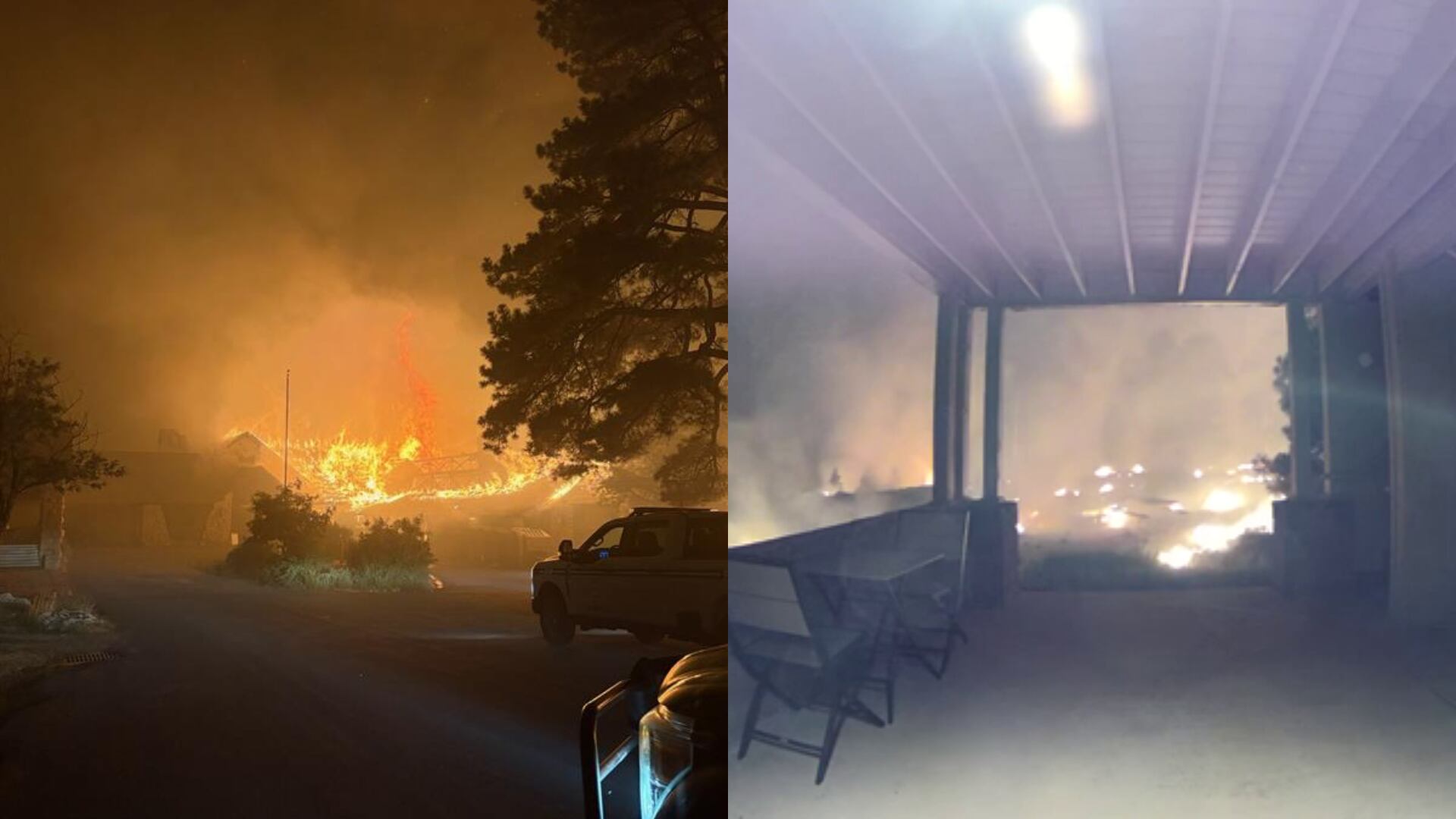
Impact of the Dragon Bravo Fire on Grand Canyon National Park
A historic lodge located on the North Rim of Grand Canyon National Park has been lost due to a fast-moving wildfire that continues to spread uncontrollably. The Dragon Bravo Fire, which began as a lightning strike, has led to the destruction of over 70 structures, including the iconic Grand Canyon Lodge. This loss marks a significant blow to the area’s history and cultural heritage.
The fire was captured on video on July 14, showing smoke rising from the Dragon Bravo Fire along the North Rim. At around the 30-second mark, the footage highlights the use of retardant surrounding the lodge, but not directly on it. Despite these efforts, the fire continued to grow, leading to the destruction of key infrastructure.
Arizona Governor Katie Hobbs has called for an independent investigation into the management of the Dragon Bravo Fire. She criticized the federal government's handling of the blaze, especially during the driest and most challenging part of the Arizona summer. "I am calling for the federal government to conduct a comprehensive, thorough, and independent investigation into the management of the Dragon Bravo Fire," she stated. "This is a devastating outcome that requires a detailed report on the decisions made."
The National Park Service (NPS) explained that their approach involved a "confine and contain" strategy, which is different from a controlled burn. They employed tactics to suppress the fire and mitigate risks, constructing containment lines and preparing for defensive operations. However, conditions changed rapidly, making it difficult to manage the fire effectively.
As of July 20, the Dragon Bravo Fire has scorched approximately 12,645 acres and is 8% contained. Around 848 firefighters are currently battling the wildfire. Due to the ongoing firefight and the destruction of key infrastructure, visitor access to the North Rim will remain closed for the remainder of the season.
Millions of people visit Grand Canyon National Park annually, with most opting for the more popular South Rim. The North Rim typically opens seasonally, making this closure particularly impactful. Brian Speciale, a podcast host known as "The Grand Canyon Hiker Dude," expressed his devastation over the loss, noting that the North Rim is a special time for visitors and residents alike.
Grand Canyon National Park Superintendent Ed Keeble confirmed that the Grand Canyon Lodge, the only lodging at the North Rim, was consumed by the flames. The visitor center, gas station, and wastewater treatment plant were also destroyed. Sen. Ruben Gallego highlighted the significance of the loss, stating that the lodge was a piece of Arizona’s history.
The Grand Canyon Lodge first opened in 1928 but was later rebuilt after a cigarette fire in the 1930s. Wayne Ranney, a board member of the Grand Canyon Historical Society, emphasized the long-standing role of the lodge in serving guests. He noted that only about 1 in 10 people who see the Grand Canyon view it from the North Rim, which is at a higher elevation and features larger, greener trees.
Park officials reported that numerous historic cabins, employee housing, and an administrative office were among the buildings destroyed. Fortunately, no injuries have been reported, and all staff and residents were evacuated before the flames spread.
Two wildfires are currently burning near the North Rim: the White Sage Fire and the Dragon Bravo Fire. The latter has had the most significant impact, leading to the loss of the lodge and other structures. Initially, the park managed the fire using a "confine and contain" strategy, but it shifted to suppression as the fire grew rapidly.
The blaze became extremely volatile due to windy conditions late Saturday, causing it to grow by 500 acres overnight. Fire crews faced challenges in using aerial retardant because of a chlorine gas leak at the water treatment plant. The burning of the wastewater treatment plant released chlorine gas, prompting the evacuation of firefighters and hikers from the inner canyon.
Residents of Marble Canyon, Lees Ferry, and a small area of the Navajo Nation have been advised to be cautious of a chlorine odor. The gas, being heavier than air, can settle into lower elevations, posing a health risk. Rep. Greg Stanton emphasized the need for increased investment in wildfire resilience at both federal and state levels.
Governor Hobbs expressed her deep sadness over the destruction of the historic Grand Canyon Lodge, acknowledging its significance to many people across Arizona and beyond. An earlier version of the story incorrectly referred to the initial fire management strategy as a "controlled burn," which has since been corrected to reflect the terminology used by the U.S. Department of the Interior.
The Associated Press contributed to this report. If you notice any spelling or grammatical errors, please report them. If you have a photo or video of a breaking news story, feel free to send it to us with a brief description.

Post a Comment for "Dragon Bravo Fire Devastates 70 Structures at Grand Canyon; Historic Lodge Lost"
Post a Comment