
13 Essential Outdoor Home Fixes for Peak Performance
Fixing Common Home Repairs
Home maintenance is an essential part of owning a property, and many small fixes can save you time and money in the long run. Whether it's a damaged shingle, a leaky vent, or a sagging gutter, addressing these issues promptly can prevent more serious problems down the line.
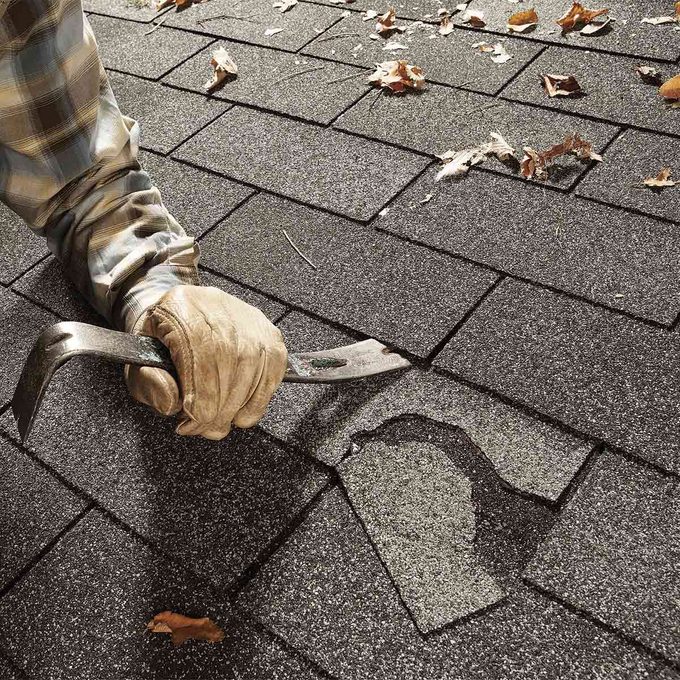
Replacing a Damaged Shingle
Asphalt shingles are designed to withstand harsh weather conditions, but they can easily tear if struck by falling branches or debris. Replacing a single shingle is a quick task that usually takes about 10 minutes. However, it’s important to be careful not to damage surrounding shingles. Avoid walking on the roof during hot weather, as the material becomes more fragile and can lose its protective coating when walked on.
Repairing Vent Flashing
Metal plumbing vents can create potential leak points at two locations: where the flashing meets the roof and where the vent pipe connects to the flashing. While temporary fixes like caulking may work initially, they often fail over time. To ensure a lasting solution, consider replacing the flashing with a rubber-sleeve version or a telescoping two-piece type.
Fixing Window Issues
Windows that stick, let in drafts, or show signs of moisture can be repaired without professional help. DIY solutions include fixing old windows, adjusting double-hung windows, re-glazing broken glass, and replacing damaged screens. These simple repairs can improve energy efficiency and comfort.
Applying New Weatherstripping
If light is visible under exterior doors, it indicates air leaks. Self-adhesive rubber-foam weatherstripping can be used to seal these gaps. If existing weatherstripping is still causing high energy bills, it might be time to replace it with newer, more efficient material.
Straightening Gutters
Sagging gutters can lead to water accumulation and damage. Using gutter support brackets can lift low spots and restore proper alignment. Aligned gutters drain more effectively and reduce the buildup of debris.
Replacing Broken Deck Boards
A broken or rotted deck board can ruin the appearance of your outdoor space. Replacing it is a manageable DIY project, especially if the deck is relatively new. Over time, the replacement will blend in with the rest of the deck. Expect to spend around $25 per board for materials.
Stiffening a Bouncy Deck
A deck that feels unstable when walked on may need additional support. Long joist spans can cause this issue, so adding blocking between beams can significantly improve stability. This is a cost-effective way to enhance the strength of your deck.
Resurfacing Your Deck
Using acrylic-based deck restoration coatings can give your deck a fresh look. These coatings resemble composite decking and require two coats for optimal results. Always follow the manufacturer's instructions to ensure proper application.
Replacing and Repairing Wood Siding
If parts of your siding are rotting while the rest remains intact, you don’t need to replace the entire house. Focus on replacing only the damaged boards. However, if you encounter severe rot or issues behind the siding, it may be best to consult a professional.
Replacing an Exterior Door
Upgrading a worn or drafty front door can improve both aesthetics and energy efficiency. Replacement doors come prehung and ready to install, making it a manageable DIY project. If changing the size of the door, it’s advisable to seek professional help to ensure structural integrity.
Making Simple Repairs to Your Fence
Cleaning and maintaining your fence can extend its lifespan. Fix or replace damaged boards, refasten loose sections, and use waterproof glue to repair splits. For sagging gates, a turnbuckle support can help restore alignment. Apply wood preservative to areas where the fence meets the ground to prevent rot.
Repairing Driveways
Addressing small cracks and potholes early can prolong the life of your driveway. Use asphalt patching material and tamp it into place. Fill cracks with filler until it is flush with the surface. Follow the manufacturer's guidelines for applying sealer.
Repairing Concrete
Cracks in concrete can allow water to seep in, leading to further damage. Filling these gaps with urethane caulk once a year can prevent future issues. For horizontal surfaces, self-leveling polyurethane sealant offers a neat and effective solution.
About the Expert
Chris Bernacki, owner of Hickory Property Service in Holyoke, Massachusetts, has over 30 years of experience in home renovation and remodeling. His expertise covers a wide range of residential and commercial projects, ensuring quality and durability in every repair.

Post a Comment for "13 Essential Outdoor Home Fixes for Peak Performance"
Post a Comment