
16 Vibrant Flowers to Brighten Your Yard and Garden
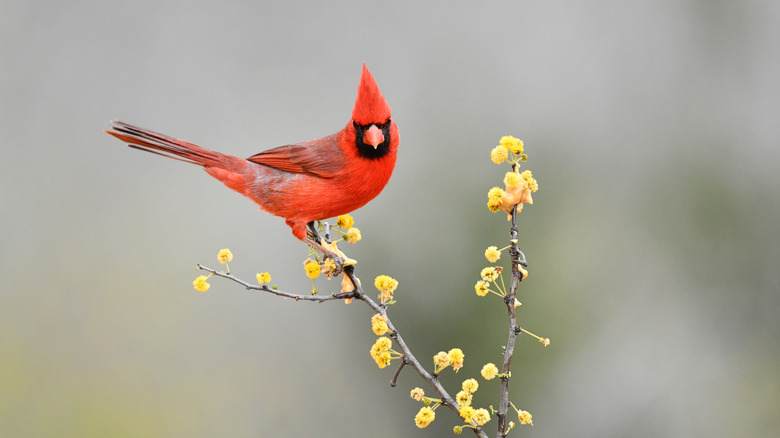
Creating a Bird-Friendly Yard to Attract Northern Cardinals
If you're looking to bring vibrant, red-feathered visitors into your yard year-round, choosing the right plants is essential. Northern cardinals are among the most recognizable backyard birds, especially the striking males with their bright red plumage. These birds don’t migrate, so they can be a constant presence in your yard if you create a bird-friendly environment.
One of the best ways to attract cardinals is by planting flowering plants that provide them with food, shelter, and nesting opportunities. While feeders can be useful, they often require frequent cleaning and can spread disease. Instead, focusing on natural food sources like seeds, fruits, and dense branches can be more beneficial for both the birds and your garden.
When selecting plants, consider a mix of varieties to ensure there's always something available for cardinals throughout the seasons. The more diverse your plant selection, the more likely you are to see these beautiful birds regularly.
Top Plants to Attract Northern Cardinals
Sunflower
Sunflowers (Helianthus annuus) are not only visually appealing but also serve as a great food source for cardinals. Their seeds are perfect for birds with short, thick beaks. Additionally, sunflowers act as larval hosts for butterflies, providing a food source for cardinal chicks. They thrive in well-drained soil and full sun, making them suitable for USDA zones 2 through 11.
Safflower
Safflower (Carthamus tinctorius) produces showy, reddish-orange blooms that later turn into seed heads. These seeds are a favorite among cardinals, chickadees, and other songbirds. Safflowers are hardy in zones 3 to 10 and grow best in rich, sunny soil.
Purple Coneflower
Purple coneflower (Echinacea purpurea) offers daisy-like blooms that attract cardinals with their abundant seeds. It also supports butterfly and moth larvae, which are an important food source for young cardinals. This plant is easy to care for and thrives in sunny spots in zones 3 to 8.
Pennsylvania Smartweed
Pennsylvania smartweed (Persicaria pensylvanica) is a lesser-known but valuable addition to any yard. Its pink or burgundy flower spikes provide nectar for pollinators, while its seeds attract cardinals in late summer. This annual wildflower grows well in moist, well-drained soil in zones 3 to 8.
Sweet Pea
Sweet peas (Lathyrus odoratus) add fragrance and color to your garden. Their seed pods attract cardinals, and they thrive in full sun in cooler climates or partial shade in warmer regions. They are hardy in zones 2 to 10.
Blue Vervain
Blue vervain (Verbena hastata) attracts a variety of insects, which in turn become food for cardinals. Its seeds also provide nourishment during the fall. This native perennial grows best in moist, well-drained soil in full to partial sun, and it is hardy in zones 3 to 8.
Black-Eyed Susan
Black-eyed Susan (Rudbeckia hirta) complements purple coneflowers with its golden blooms and seed-packed centers. These flowers support over 17 species of butterflies and moths, which are vital for cardinals during nesting season. They are low-maintenance and thrive in sunny, well-drained soil in zones 3 to 8.
Prairie Wild Rose
Prairie wild rose (Rosa arkansana) produces pink flowers that develop into bright red hips, which are a crucial food source for cardinals in the fall and winter. This drought-tolerant shrub is ideal for zones 3 to 8.
Nasturtium
Nasturtiums (Tropaeolum majus) offer edible flowers and medium-sized seeds that cardinals love. These low-maintenance plants thrive in well-drained soil and even poor conditions. They are hardy in zones 9 to 11.
Asters
Asters are must-have perennials for attracting birds and pollinators. Their starry blooms come in a range of colors, and their seeds attract cardinals and other birds. With over 186 species to choose from, there’s something for every garden in zones 4 to 8.
Highbush Blueberry
Highbush blueberries (Vaccinium corymbosum) provide both beauty and food for cardinals. Their white blooms attract insects, and the berries are a favorite in the summer and fall. These shrubs thrive in acidic soil and partial to full sun in zones 3 to 8.
Southern Spicebush
Southern spicebush (Lindera melissifolia) features small yellow blooms in spring and red berries in the fall. These plants thrive in shaded areas and are hardy in coastal zones 6 to 9.
American Elderberry
American elderberries (Sambucus canadensis) produce fragrant white flowers and nutritious fruit that cardinals enjoy. They thrive in slightly acidic soil and partial to full sun in zones 4 to 8.
Flowering Dogwood
Flowering dogwood (Cornus florida) adds color with its pink, white, or yellow blooms in spring. The red berries that follow in the fall are a favorite of cardinals. This tree prefers partial shade and organically rich soil in zones 5 to 9.
American Beautyberry
American beautyberry (Callicarpa americana) offers vibrant purple berries in the fall, which are a favorite of cardinals. This low-maintenance shrub thrives in full sun to partial shade in zones 6 to 10.
Arrowwood Viburnum
Arrowwood viburnum (Viburnum dentatum) provides white flowers and bluish-black fruits that attract cardinals. Its stems also offer nesting spots. This easy-to-grow shrub is hardy in zones 2 to 8.
By incorporating these plants into your yard, you can create a welcoming habitat for northern cardinals and other wildlife. Whether you're planting sunflowers, blueberries, or sweet peas, each addition contributes to a thriving ecosystem that benefits both birds and gardeners alike.

Post a Comment for "16 Vibrant Flowers to Brighten Your Yard and Garden"
Post a Comment