
8 Small Food Brands Hidden Under Big Corporation Ownership
Understanding the Hidden Ownership of "Small" Food Brands
Many consumers are drawn to smaller food brands, believing that they offer healthier, more authentic, and ethically produced products compared to the large corporations that dominate the market. However, the reality is often quite different. A surprising number of these so-called small brands are actually owned by massive food conglomerates. This can be misleading, as it may lead consumers to believe they're supporting independent businesses when, in fact, they're contributing to the profits of global giants.
The concept of "small" or "artisanal" branding is frequently used as a marketing strategy. These brands often feature premium packaging, natural ingredients, and a focus on health, which appeals to consumers looking for alternatives to mass-produced foods. Yet, many of these products are not significantly different from those found on the shelves of larger, well-known companies. The key difference lies in ownership, which is often hidden from the public eye.
Examples of "Small" Brands Owned by Big Corporations
Larabar
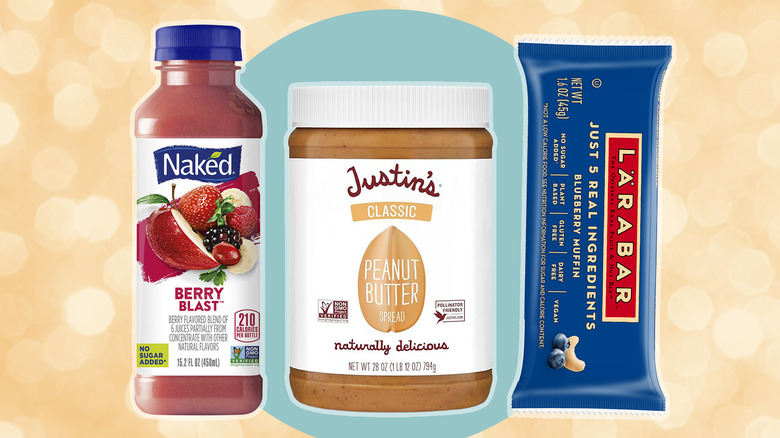
Larabar is a popular brand of nutrition bars known for its variety of flavors, such as banana chocolate chip and coconut cream pie. While it appears to be an independent, health-focused brand, it's actually owned by General Mills, one of the largest food corporations in the world. This acquisition means that the product is part of a broader portfolio of brands that include other well-known names like Cheerios and Yoplait.
Primal Kitchen
Primal Kitchen offers bottled salad dressings with a premium, "reimagined" twist. Despite its artisanal image, the company was acquired by Kraft Heinz in 2019. Although it operates as an autonomous entity, the ownership by a major corporation raises questions about the authenticity of its values and product quality.
Bolthouse Farms
Bolthouse Farms is known for its smoothies, juices, and unique salad dressings. While it may seem like a small, local brand, it’s actually owned by Butterfly Equity, a private equity firm with significant influence in the food industry. The company was previously owned by Campbell’s, but it was sold in 2019 for $150 million, highlighting its larger-than-expected scale.
Justin's
Justin's peanut butter and nut-based snacks have gained a loyal following for their high-quality taste and texture. However, this brand is also owned by Hormel Foods, a major player in the food industry. The acquisition in 2016 allowed Hormel to expand its reach into the nut butter and snack market.
RXBar
RXBar is a protein bar brand that emphasizes minimal processing and natural ingredients. Its clean label and transparent ingredient list give the impression of being a small, independent company. In reality, RXBar is owned by Kellogg, the cereal giant. The acquisition in 2017 for $600 million underscored the brand's popularity and potential for growth within the health and wellness sector.
Skinny Cow
Skinny Cow is a low-fat ice cream brand that appeals to health-conscious consumers. Though it may seem like a niche product, it was originally owned by Nestle before being sold to Froneri, a private equity firm, in 2019. This acquisition placed Skinny Cow under the umbrella of a larger corporate structure.
Naked Juice
Naked Juice offers thick, fruit-based drinks that fall between juice and smoothie. While it promotes itself as a healthy alternative, it's owned by PAI Partners, a private equity firm that acquired the brand from PepsiCo in 2021. This ownership highlights the trend of large corporations acquiring smaller, health-focused brands to diversify their product lines.
Annie's Homegrown
Annie's Homegrown is a well-known brand in the organic food section, particularly for its mac and cheese. Its emphasis on organic ingredients gives the impression of being a small, family-run business. However, it was acquired by General Mills in 2014, further blurring the line between small and large brands.
Final Thoughts
The ownership of these "small" brands by large corporations can be confusing and misleading. It’s important for consumers to understand that while these products may appear to be more natural or ethical, they are often part of a broader corporate strategy. For those seeking truly independent, small-batch products, visiting a local farmer’s market or making items at home can be a better alternative. By being informed about the true ownership of the brands we support, we can make more conscious and responsible choices in our purchasing habits.

Post a Comment for "8 Small Food Brands Hidden Under Big Corporation Ownership"
Post a Comment