
Brutalism Makes a Comeback
The Resurgence of Brutalism: A New Era in Architecture
Brutalism, once a polarizing architectural style, is making a comeback in the form of neobrutalism. This modern adaptation of brutalist principles is not just an aesthetic choice but also a pragmatic response to contemporary challenges. While some may find the raw, unadorned structures unappealing, others see them as a practical solution to resource scarcity and environmental concerns.
A Global Movement
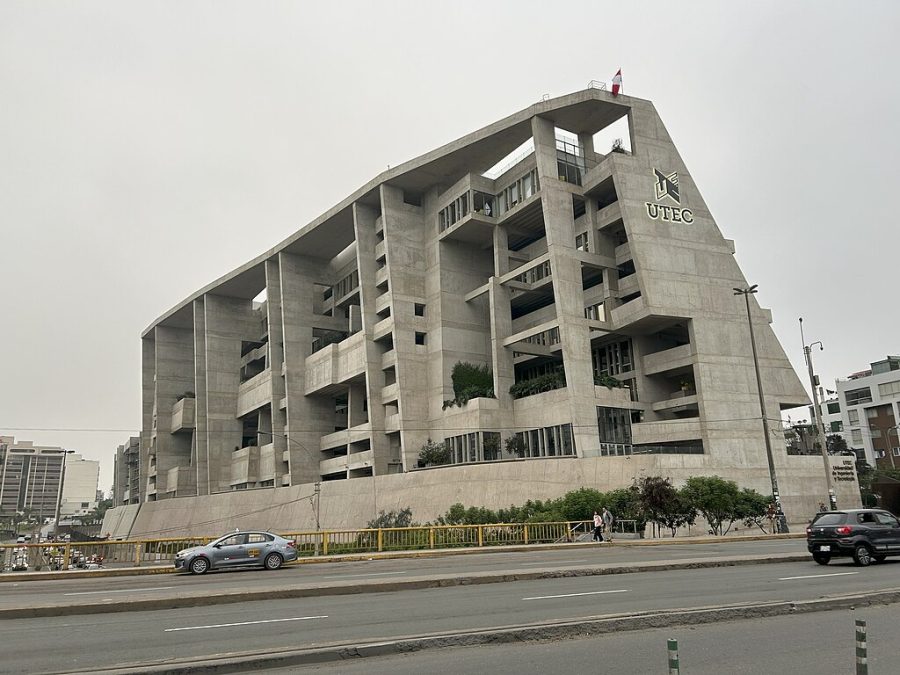
Neobrutalism is gaining traction worldwide, with new projects echoing the bold designs of the 1950s–1970s. These buildings often feature exposed concrete, minimal ornamentation, and a focus on structural honesty. The Universidad de Ingeniería y Tecnología (UTEC) in Lima, completed in 2015, is a prime example of this trend. Its stark, functional design mirrors the brutalist ethos of its predecessors, signaling a global resurgence that could be termed neobrutalism.
Practical Considerations
Architects today are drawn to brutalist aesthetics for both historical and practical reasons. Le Corbusier’s later works, such as the La Tourette monastery in France, are widely admired. However, modern architects are not simply replicating past designs; they are responding to current challenges. The emphasis on “honest” architecture—where structure and function are visible—resonates with contemporary values.
Avoiding cladding and plaster allows for the use of raw materials like concrete and brick, which can reduce long-term maintenance costs. This approach aligns with the growing concern over resource scarcity. Concrete, while criticized for its environmental impact, remains a popular choice due to its versatility and cost-effectiveness. Despite the industry's efforts to develop sustainable alternatives, conventional concrete continues to dominate due to its practical advantages.
Sustainability and Innovation
The environmental impact of concrete remains a significant concern, as the cement industry contributes to a substantial portion of global CO2 emissions. However, some architects argue that concrete can still be a sustainable option when used efficiently. It allows for the creation of large spaces with minimal material, reducing overall resource consumption. Additionally, innovations like insulating concrete can eliminate the need for complex wall layers, further minimizing waste.
Neobrutalist projects, though a small fraction of global concrete usage, have a significant visual impact. Their photogenic nature makes them influential in shaping public taste, even if their environmental footprint remains a point of contention.
Why Now?
An architecture style often reflects the values and conditions of its time. In an increasingly virtual and dematerialized world, there is a growing appreciation for tangible, physical experiences. Neobrutalism satisfies this longing by offering a direct connection to the building’s construction. Exposed concrete walls and visible structural elements provide a sense of authenticity and craftsmanship, reminiscent of the Arts and Crafts movement.
This fascination with the physical and the handmade extends to modern architecture, where regional and non-factory-produced materials are seen as antidotes to mass production. The tactile qualities of brick and concrete offer a contrast to the sleek, glass-clad structures that dominate urban landscapes.
Who Is Building and Why?
The shift from public to private sector involvement marks a key difference between traditional brutalism and neobrutalism. Historically, brutalism was associated with public projects like universities and government buildings. Today, neobrutalism is largely driven by private interests, including private universities and residential developments.
This shift reflects broader changes in societal priorities. Under neoliberalism, the focus has moved from collective projects to individual and commercial ventures. As a result, the sustainability of modern architecture is increasingly questioned, with concerns about whether buildings will endure for future generations.
The Future of Brutalism
Despite its challenges, neobrutalism continues to evolve. In China, for instance, architects like Wang Shu have gained international recognition for their innovative use of local materials and traditional techniques. His work on the Ningbo Museum incorporates reused bricks and bamboo formwork, blending modern design with cultural heritage.
In Southeast Asia and Latin America, social-minded approaches to brick architecture are emerging. Firms like Tropical Space in Vietnam and Mínimo Común in Paraguay are creating cost-effective, environmentally friendly structures that promote passive ventilation and community engagement.
Looking Ahead
While the core criticisms of brutalism—such as its high resource consumption and lack of climate efficiency—remain valid, there is growing interest in more sustainable forms of the style. Projects like the Colegio Reggio in Madrid demonstrate how neobrutalism can incorporate ecological materials and reduce energy consumption.
The future of brutalism may lie in a new, eco-conscious variant known as ecobrutalism. Whether through the use of alternative materials or a renewed focus on sustainability, the raw, honest aesthetic of brutalism is likely to persist in the built environment.
However, the true revival of experimental brutalism—rooted in public sector initiatives—remains elusive. For neobrutalism to fulfill its potential, the public sector must embrace a vision of architecture that values creativity, social experimentation, and long-term sustainability. This requires a cultural shift away from short-term efficiency toward a deeper appreciation of architecture as a collective heritage.

Post a Comment for "Brutalism Makes a Comeback"
Post a Comment