
Can Zohran Mamdani Revamp New York's Schools?
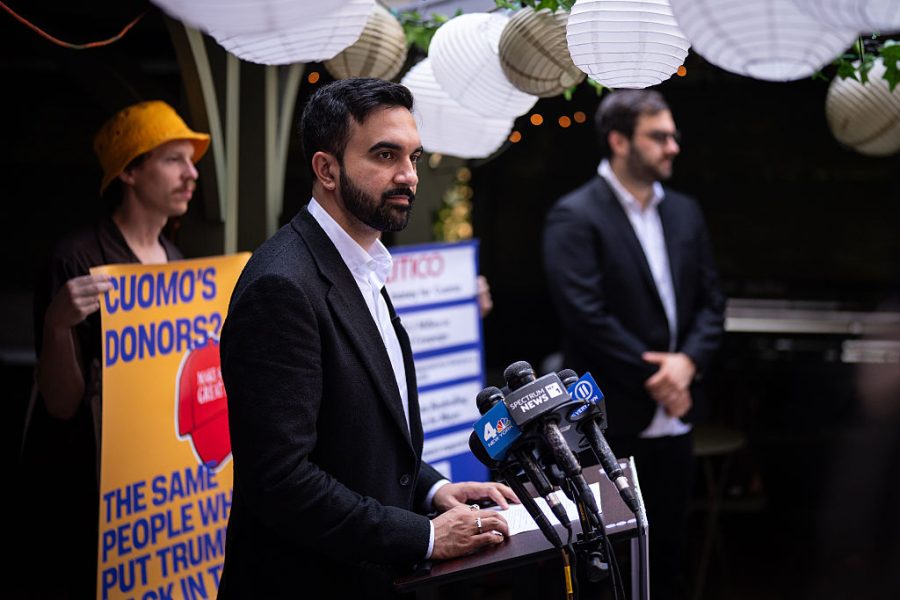
Zohran Mamdani’s Vision for Transforming New York City’s Education System
As New York City prepares for a historic mayoral election, Zohran Kwame Mamdani has emerged as a candidate with a bold vision for transforming the city's educational framework. His proposals focus on ending unilateral mayoral control and redistributing resources to promote equity, development, and research in both K–12 schools and higher education. To understand the potential impact of his platform, it's essential to examine the challenges he faces and the strategies he might employ to bring about meaningful change.
Addressing Funding Gaps in Higher Education
One of Mamdani’s key initiatives is the REPAIR Act, which aims to end property tax breaks for wealthy institutions like Columbia and New York University (NYU) and redirect those funds to CUNY. This bill reflects his commitment to addressing the needs of working-class and immigrant populations, who make up a significant portion of CUNY students. The university plays a crucial role in lifting students into the middle class, yet it has long been underfunded, leading to shortages in faculty, support services, and infrastructure.
Columbia and NYU benefit from their locations and generate substantial profits, yet they serve a small percentage of city residents. By reallocating these resources, the REPAIR Act seeks to create a more equitable system where CUNY can provide the necessary support to its students. However, the challenge lies in overcoming opposition from these institutions and ensuring that the funds are effectively used to benefit the intended recipients.
Structural Changes for K–12 Education
Mamdani has also proposed ending unilateral control of NYC public schools and replacing it with a "power-sharing" model. While this approach could empower communities, some argue that the real issue lies in funding rather than governance. The inequities in school conditions across different neighborhoods highlight the need for targeted investments in under-resourced areas. A centralized system allows for more efficient implementation of policies, such as equity-based funding and universal pre-K programs, which have shown success under previous administrations.
The 1969 state law on decentralizing schools and instituting shared governance was intended to empower communities but failed to deliver on its promises due to corruption and lack of engagement. Mamdani’s focus should be on delivering for the city’s most underserved students rather than revisiting a flawed model.
Bridging Education and Climate Infrastructure
Mamdani’s interest in both education and climate issues presents an opportunity to integrate sustainability into public investment. Public goods like transportation, affordable housing, and infrastructure are inherently environmentally friendly. By pushing back against profit-driven real estate development, Mamdani can address both affordability and environmental concerns. The broader goal is to thread climate considerations into every aspect of the public agenda, ensuring that sustainability is not seen as a niche concern but as a central part of policy-making.
Ensuring Accountability and Building Political Power
If Mamdani is elected, it will be crucial for civil society organizations to engage with his administration to ensure accountability. Historical lessons from past city administrations highlight the importance of building a political culture rooted in organized working-class power. Unions and community organizations play a vital role in supporting candidates and holding them accountable once in office.
Mamdani’s campaign, supported by the Democratic Socialists of America (DSA), demonstrates the power of grassroots organizing. Winning elections is only the first step; the real challenge lies in implementing the platform on which candidates ran. This requires sustained efforts to push for policies, mobilize communities, and maintain pressure on elected officials.
In conclusion, Zohran Mamdani’s potential leadership offers a transformative vision for New York City’s education system. However, achieving this vision requires navigating complex challenges, building strong coalitions, and maintaining a commitment to equity and justice for all residents. The path forward will depend on the ability to translate ambitious ideas into tangible policies that address the needs of the city’s most vulnerable populations.

Post a Comment for "Can Zohran Mamdani Revamp New York's Schools?"
Post a Comment