
Colorado Teacher Helps Students Discover Food's Journey to the Table
Teaching with Purpose and Passion
Mike Montgomery, a high school science teacher in Littleton, Colorado, has built a career centered around hands-on learning and real-world applications. His journey into teaching was not immediate but evolved over time, driven by his love for animals, plants, and the structure of the school day. He found that teaching allowed him to spend his days engaging with students on topics he truly cared about.
Montgomery's own childhood experiences influenced his teaching style. As a child with ADHD, he preferred active learning over traditional lectures. This preference shaped his approach to education, where he designs lessons that encourage students to explore, create, and apply scientific concepts in meaningful ways. For instance, his water classes take students outside to collect and analyze samples from the South Platte River, providing them with practical experience that goes beyond textbook knowledge.
A Unique Mini-Course: Beekeeping
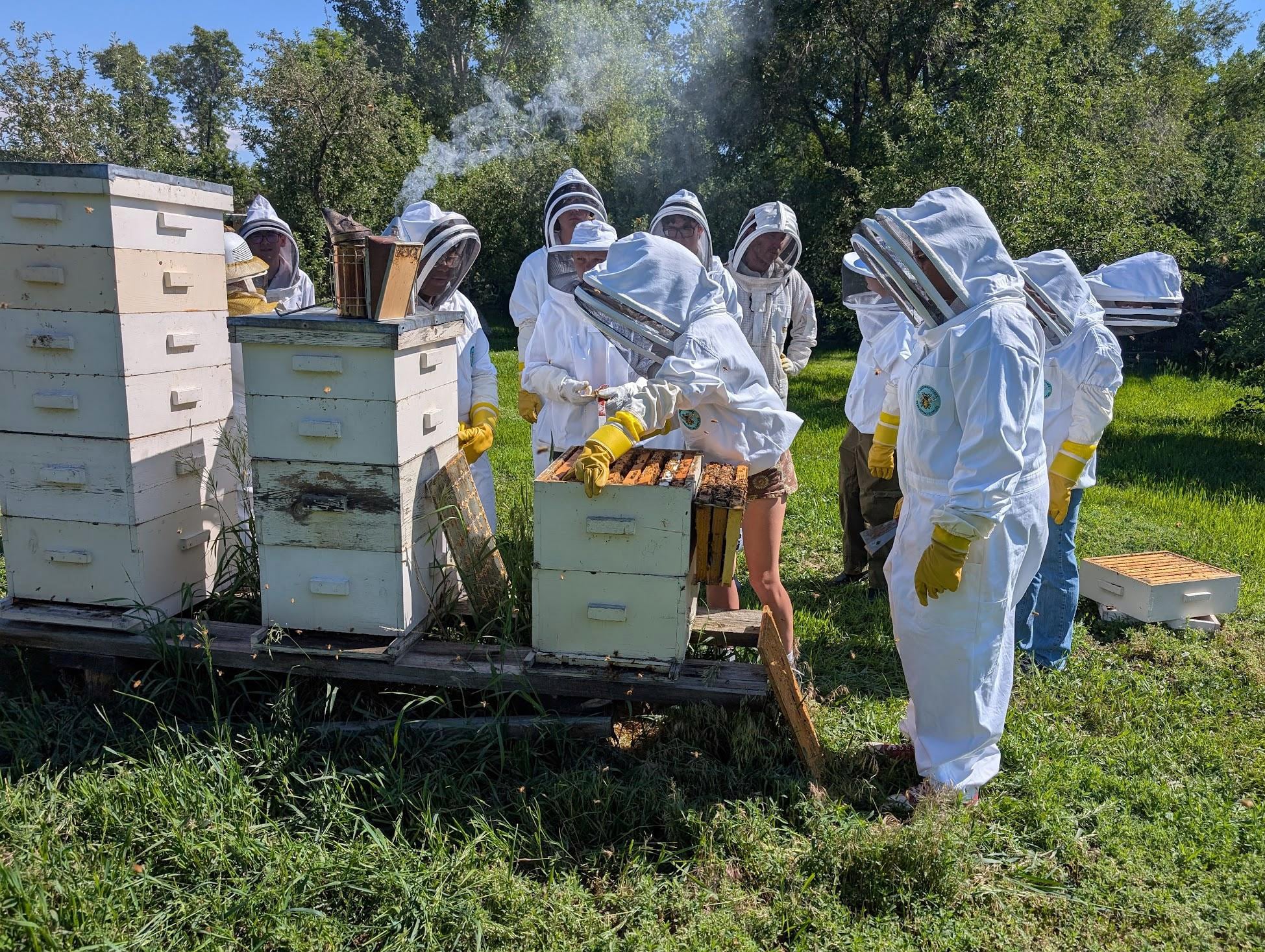
One of Montgomery’s favorite lessons is a three-week beekeeping mini-course he teaches each June at EPIC, the district’s two-year career campus. The course is not for credit or certification, but it attracts students who are genuinely interested in learning about bees and their role in the ecosystem. The hives remain on campus year-round, serving as a constant reminder of the importance of pollinators and offering ongoing opportunities for discussion and learning.
The natural resources pathway at EPIC includes two tracks: plant science and horticulture, and water quality management and conservation ecology. These programs provide students with valuable skills and knowledge that can lead to college credits or industry certifications, helping them prepare for future careers.
Real-World Learning and Community Impact
Montgomery emphasizes the importance of connecting classroom learning to real-world issues. Students at EPIC participate in hydroponic farming, growing leafy greens that are used in school cafeterias and distributed to local food banks. This project not only teaches students about plant growth and sustainability but also highlights the broader issues of food production, distribution, and waste reduction.
The impact of these lessons is evident in the conversations students have in class. They begin to understand the complexities of food systems and the role they play in their communities. The pride students feel when contributing to food banks reinforces the value of their work and deepens their engagement with the material.
Building Relationships with Students
Montgomery believes that forming strong relationships with students is essential to their success. He recalls a memorable moment involving an introverted student who initially showed little interest in class. After the student helped care for reptiles in the classroom, he revealed a deep knowledge of snakes, which opened up new possibilities for his learning and engagement.
He also values communication with families, recognizing that understanding a student’s background can help tailor instruction to meet their needs. By asking parents about their work and family dynamics, Montgomery gains insights that inform his teaching strategies and support student success.
Reading and Reflection
In his free time, Montgomery enjoys reading nonfiction books that challenge his thinking and expand his knowledge. He often reads multiple books at once, including titles like Tonight in Jungleland: The Making of ‘Born to Run’ by Peter Ames Carlin, The Alchemy of Air by Thomas Hager, and Doctors by Nature: How Ants, Apes, and Other Animals Heal Themselves by Jaap de Roode.
Through his dedication to education and community engagement, Mike Montgomery continues to inspire students and shape the future of agriculture and environmental education.

Post a Comment for "Colorado Teacher Helps Students Discover Food's Journey to the Table"
Post a Comment