
Consumers Tired of $17 Salads: Is the Slop Bowl Over?
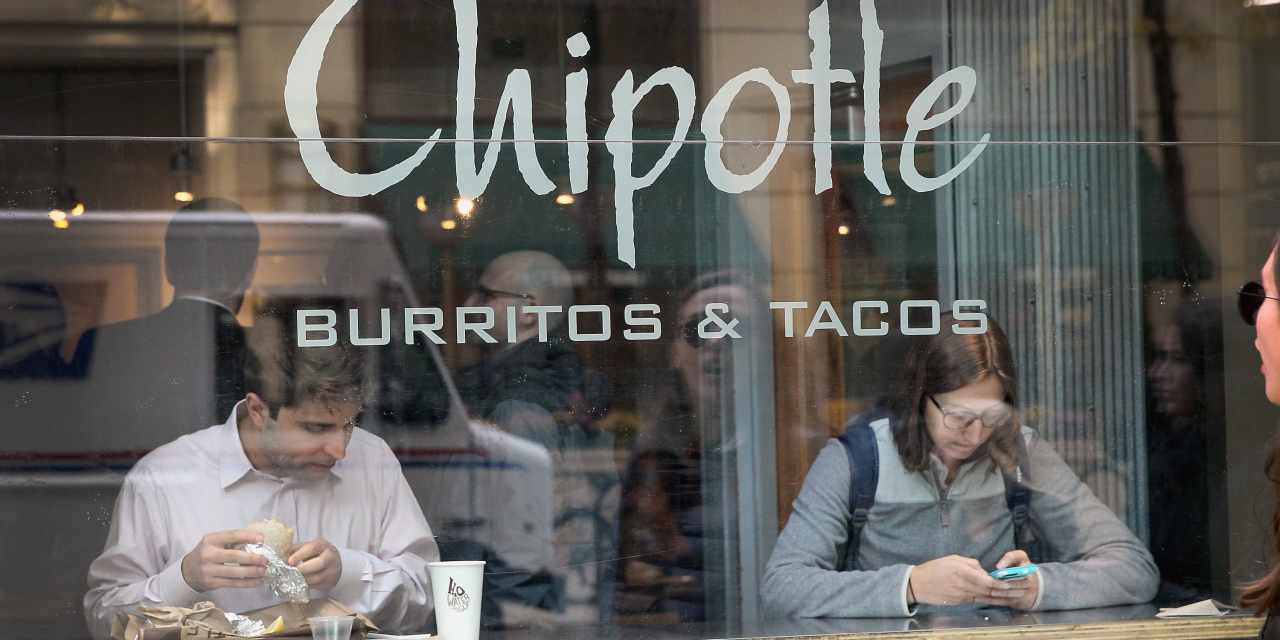
The Evolution of Fast-Casual Dining and Its Current Challenges
A decade ago, fast-casual restaurants were known for their emphasis on "real ingredients." Today, the industry is facing a new phase, often referred to as the "slop bowl" era. This shift has been accompanied by a series of challenges, including fluctuating sales growth, consumer price sensitivity, and the need for innovation in an increasingly competitive market.
Chains like Chipotle Mexican Grill, Sweetgreen, and Cava Group have seen their stock performances decline after a strong 2024. Analysts are now taking a closer look at the sector, considering factors such as tempered forecasts, consumer hesitation due to rising prices, and the resurgence of sit-down dining options that have traditionally dominated the market.
Cava, a Mediterranean chain, recently experienced its largest drop in stock value after announcing a more cautious sales-growth outlook. Dan Ahrens, a portfolio manager with the AdvisorShares Restaurant exchange-traded fund, highlighted the need for the fast-casual industry to evolve or risk falling behind. He noted that while Chipotle had enjoyed long-term success, many others are trying to replicate its model, which may not be sustainable in today’s environment.
Ahrens suggested that fast-casual chains could benefit from focusing more on catering and corporate events, offering a different angle to their business model. However, current trends show that consumers are cutting back on pricier selections, leading to significant drops in shares for some companies.
Sweetgreen, for instance, saw its shares plummet after customers opted for more affordable options. Same-store sales dropped by 7.6% in the most recent quarter, with the CEO expressing dissatisfaction with the results. Similarly, Cava's CEO, Brett Schulman, compared the current economic uncertainty to a “fog,” highlighting the unpredictable nature of the market under the Trump administration’s trade policies.
Chipotle’s CEO, Scott Boatwright, acknowledged a slowdown in May but reported that momentum began to build during the summer months. Despite this, he cautioned that comparable sales might remain flat for the year due to ongoing volatility in consumer behavior.
The AdvisorShares restaurant fund, launched during the pandemic, initially focused on pizza and wings, reflecting the shift toward takeout and delivery. Over time, the fund moved toward fast-casual restaurants, only to see them lose steam. In response, the fund shifted its focus to full-service casual dining chains such as Cheesecake Factory, Texas Roadhouse, Chili’s, and Olive Garden.
These chains have shown resilience, with some experiencing significant stock gains. For example, Cheesecake Factory’s shares rose over 30%, while Brinker International and Darden Restaurants saw increases of around 18% and 9%, respectively. Analysts believe that these chains have managed to maintain competitive pricing and offer more atmosphere, appealing to consumers looking for value and experience.
Brinker International, the parent company of Chili’s, has made strides in revitalizing its brand. During a recent earnings call, CEO Kevin Hochman highlighted a multiyear turnaround strategy, including a simpler menu, better staffing, and improved restaurant conditions. The relaunch of its ribs was particularly well-received, with sales up 24% in the latest quarter.
Chili’s also embraced nostalgia by opening a "Scranton Branch" in Pennsylvania, inspired by the TV show "The Office." This move aimed to reconnect with the brand’s history and attract customers through a unique dining experience.
Despite the challenges, some analysts see potential for growth in both fast-casual and full-service dining. Jim Salera of Stephens noted that efforts like catering, limited-time menu items, and operational improvements could provide long-term opportunities for companies like Chipotle. Meanwhile, Piper Sandler remains optimistic about Sweetgreen, and Zacks strategist Tracey Ryniec pointed out that Cava’s same-store sales growth forecast still outperforms the industry average.
Cava’s CEO, Schulman, addressed the term "slop bowl," calling it a pejorative label. He emphasized that the company aims to differentiate itself by offering a diverse range of experiences, from family dinners to urban professional lunches. Cava produces its own dips and spreads, available in stores like Whole Foods, and views itself as a culinary brand that prioritizes cooking methods such as roasting, grilling, and braising.
In conclusion, the fast-casual dining industry is navigating a period of transformation. While challenges persist, there are opportunities for innovation, adaptation, and redefining what consumers expect from their dining experiences. As the market evolves, the ability to meet changing consumer needs will determine the success of these brands in the years to come.

Post a Comment for "Consumers Tired of $17 Salads: Is the Slop Bowl Over?"
Post a Comment