
Dallas Ends Downtown Homelessness. White House Seeks Rule Changes.
A New Approach to Homelessness in Dallas
After years of homelessness spreading across downtown Dallas, local officials decided to take a different approach. Instead of just moving people to other neighborhoods, they enforced a local law against sleeping on the streets and provided wraparound social services along with permanent housing. This strategy proved effective. While homelessness has increased nationwide, Dallas has become a model for addressing the issue. In May, the city declared an end to downtown homelessness after over 270 individuals moved off the streets.
However, this success is now under threat. The Trump administration, which has criticized homelessness and pledged to clear out "slums" in major cities, is looking to end the program that helped Dallas achieve its results. The Continuum of Care program, which supports long-term housing solutions, is being targeted as part of a broader overhaul of federal homelessness funding. Secretary of Housing and Urban Development Scott Turner has criticized the program, calling it a tool for pushing a "woke agenda."
The $3.6 billion Continuum of Care program helps cities coordinate strategies that focus on long-term housing rather than short-term options like emergency shelters. In Dallas, advocates, city officials, and business owners credit the program for their success. However, the White House budget proposes ending the program in fiscal 2026 by consolidating it with the Emergency Solutions Grants Program, which prioritizes shelters, transitional housing, and services such as substance abuse treatment and mental health support.
HUD officials argue that the changes will allow for more efficient use of resources, faster access to treatment, and reduced dependency on federal aid. They claim that maintaining the status quo is unacceptable for those living on the streets and taxpayers who fund HUD. The proposed changes come alongside Trump's executive order, which makes it easier to remove outdoor encampments and place people in mental health or addiction treatment, including involuntary commitment.
Housing economists and advocates warn that these changes could make it harder to address chronic homelessness. They point to places like San Bernardino, California, and Montgomery County, Maryland, where progress has been made under the Continuum of Care program. According to estimates from the National Alliance to End Homelessness, Trump’s budget proposal could end funding for over 166,000 permanent supportive housing units and increase homelessness by 36 percent.
In Dallas, the proposals threaten $51 million in annual grants, according to Housing Forward, the nonprofit that coordinates the area’s work through Continuum of Care. If this funding isn’t replaced, about 420 veterans would become homeless each year, and 400 building owners and landlords would stop collecting rental aid. Emergency shelters may not be able to accommodate everyone, leaving many without a place to go.
A Successful Model
On a warm June afternoon, the sidewalk in front of the Dallas Public Library — once home to 50 tents — was clear. A grassy hill over the highway was empty of the tarps and construction signs that had once served as ceilings and walls. The people who used to camp downtown were now in their own apartments, according to local officials. Many had received mental health treatment, started jobs, and reconnected with family.
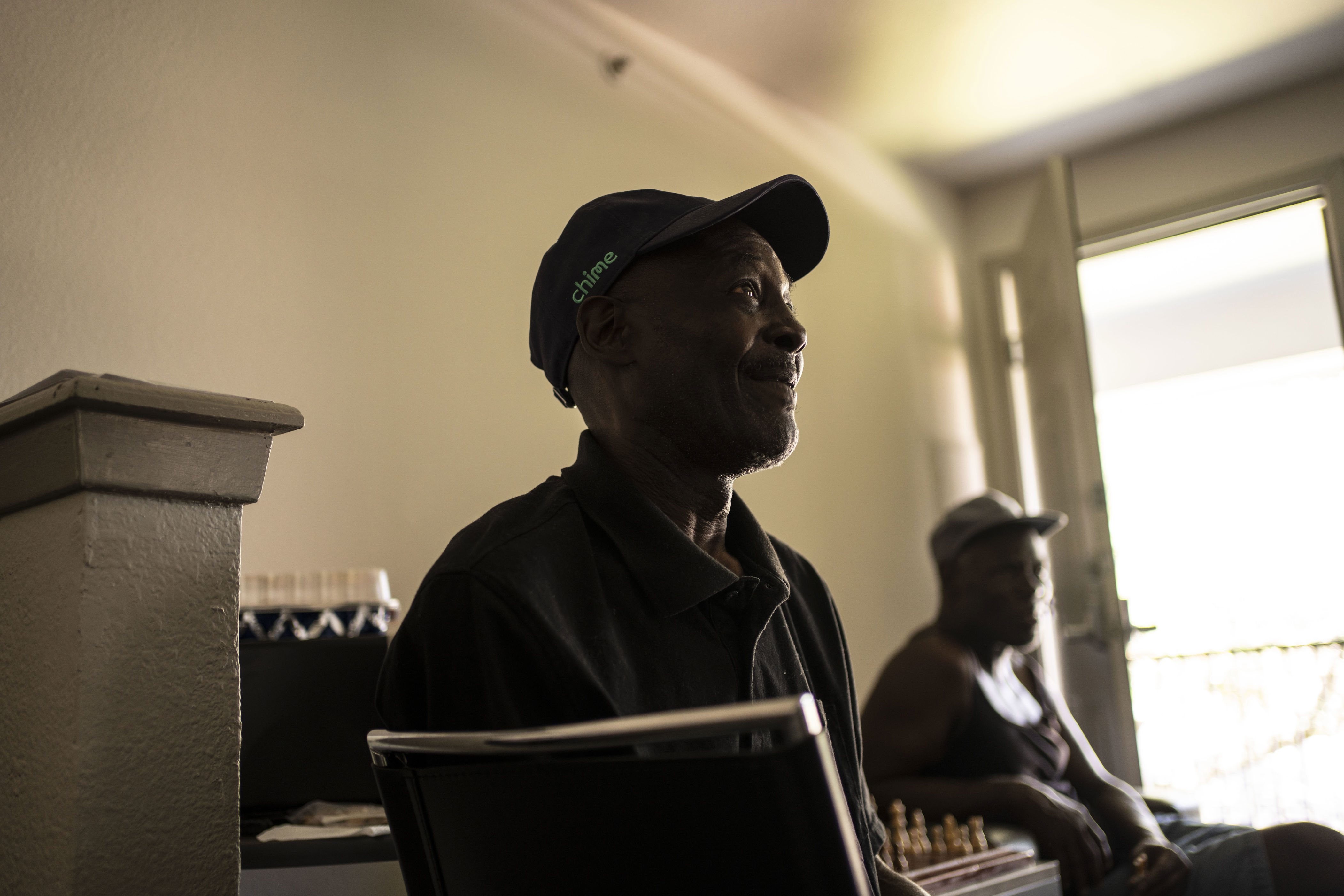
Donald Wilson, one of those individuals, spent four months last year sleeping in a tent in a downtown park. An outreach worker approached him, told him he wasn’t allowed to sleep outside, and offered him his own apartment. Within days, nonprofit employees helped him get his birth certificate and update his driver’s license. A street medicine team got him back on medications, and city officials drove him to appointments. He moved into a studio the day before Thanksgiving.
“Ever since then, I’ve been comfortable,” said Wilson, 58.
The Housing First Strategy
The well-oiled machine that got Wilson off the streets didn’t always exist in Dallas. Less than a decade ago, private and public groups took a siloed approach to tackling homelessness. That changed in 2021 when fresh leadership and a rebrand brought new life to Dallas’s Continuum of Care. Today, Housing Forward coordinates over 150 partners — city hall, police, shelters, housing providers, business owners — to patrol downtown, strictly enforce local laws, take newcomers to shelters, and keep beds turning over by getting people permanent housing.
For years, the “housing first” strategy has been a leading approach to homelessness. The idea is that with stable housing, people can better take advantage of other supports like drug treatment. They can get homes without requiring them to have jobs or be sober.
The Debate Over Funding
While Congress considers Trump’s proposal, including House and Senate draft budgets that fund the program, HUD is reexamining the current process. At the end of the Biden administration, the Continuum of Care cycle shifted from one year to two. The first year of funding has been distributed, and second-year funds were expected to be renewed without new applications.
But HUD is asking communities to submit fresh paperwork, in part to filter out projects the administration doesn’t support. A July 3 email to grantees, obtained by The Post, said the application cycle would offer opportunities for “new types of projects,” including street outreach and transitional housing programs. It would also focus on treatment and recovery and increasing peoples’ incomes.
HUD officials argue that the moves ensure that grants aren’t green-lit on autopilot and boost accountability during a homelessness crisis. However, research from the Urban Institute and the Evaluation Center at the University of Colorado at Denver found that supportive housing programs produced better outcomes than transitional housing.
Ongoing Challenges
No one in Dallas says the job is done. Even with an end to downtown homelessness, new people turn up daily, arriving on Greyhound buses and spending hot days inside the public library. On a recent afternoon, one man pushed a wheelchair filled with pillows and other possessions. Another chewed a slice of free pizza.
If they tried to sleep outside, Continuum of Care would kick into action: Outreach workers would approach the men and offer to take them to shelters and find them permanent housing.
Wilson said he would probably still be on the streets if he had been booted from his tent without somewhere more permanent to go. Months after moving into his studio, part of downtown is still with him: the friends who gather to play chess outside. When everyone got apartments, Wilson wanted them to stick together.
He doesn’t have a job yet, but Wilson said having a real home has stabilized many parts of his life. Between a bathroom, a bed, a television, and a kitchenette to make his favorite cornbread, he said, he has what he needs.

Post a Comment for "Dallas Ends Downtown Homelessness. White House Seeks Rule Changes."
Post a Comment