
Don't Call the B-1B Lancer a Nuclear Bomber
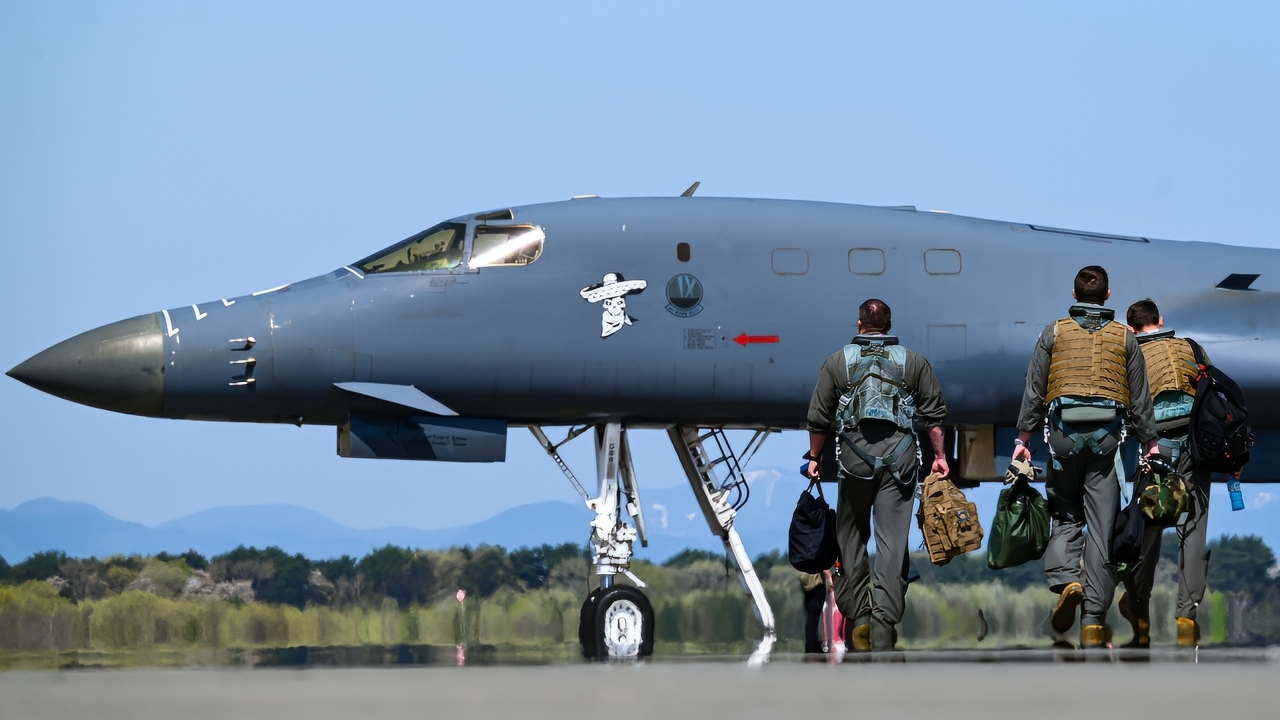
The Evolution of the B-1B Lancer: From Nuclear Strike to Conventional Powerhouse
The Rockwell B-1B Lancer, initially designed as a supersonic nuclear bomber, has undergone a significant transformation since the end of the Cold War. Originally conceived as a replacement for the B-52 Stratofortress, the B-1A was developed in the 1970s but was eventually canceled. However, under the Reagan Administration, it was reimagined as the B-1B, which entered service in 1986. This redesign made the aircraft heavier and slower than its predecessor but significantly improved its payload capacity and radar capabilities.
Despite its original purpose as a nuclear strike platform, the B-1B never fulfilled this role due to the end of the Cold War. Instead, it was converted to carry conventional munitions, marking a pivotal shift in its operational history. This transition allowed the B-1B to play a crucial role in various conflicts, including Operation Desert Fox and the Global War on Terror.
A New Role in Combat
The B-1B's combat debut came during Operation Desert Fox in 1998, where it targeted military facilities in Iraq. This mission marked the beginning of its effective use in conventional warfare. Following this, the B-1B became a key player in several operations, delivering a substantial portion of the ordnance used in conflicts such as Operation Allied Force, Operation Enduring Freedom, and Operation Iraqi Freedom.
During Operation Enduring Freedom, eight B-1B aircraft dropped nearly 40 percent of the total tonnage delivered by coalition forces, showcasing their effectiveness in delivering precision strikes. In Operation Iraqi Freedom, the B-1B accounted for 43 percent of the JDAMs used, despite flying less than 1 percent of the combat missions. These achievements highlight the B-1B's versatility and reliability in modern warfare.
Survivability and Capabilities
The B-1B is equipped with advanced self-protection systems that enhance its survivability in hostile environments. These include an electronic warfare system, a radar warning receiver, and countermeasures such as chaff and flare. Additionally, the aircraft features a towed decoy system, which further improves its ability to evade enemy threats.
With a maximum takeoff weight of 477,000 pounds and the ability to carry a significant payload, the B-1B is a formidable asset in the U.S. Air Force's strategic bomber arsenal. Its supersonic speed, combined with its heavy bomb load, makes it a valuable tool for both long-range and close-air support missions.
The Future of the B-1B
Although originally built by Rockwell International, the B-1B contract is now managed by Boeing. This development is somewhat ironic, given that Boeing also produces the B-52 Stratofortress, which the B-1B was intended to replace. Despite this, the two bombers now work in tandem, complementing each other within the U.S. strategic bomber force.
The B-1B is expected to remain in service well into the 2040s, ensuring its continued relevance in the evolving landscape of aerial warfare. As technology advances, the B-1B will likely undergo further upgrades to maintain its effectiveness and adaptability in future conflicts.
Conclusion
The B-1B Lancer's journey from a nuclear bomber to a versatile conventional aircraft illustrates the dynamic nature of military strategy and technology. Its ability to adapt to changing threats and operational requirements has solidified its place as a critical component of the U.S. Air Force's capabilities. As it continues to serve, the B-1B stands as a testament to the resilience and innovation of American military engineering.

Post a Comment for "Don't Call the B-1B Lancer a Nuclear Bomber"
Post a Comment