
Fizzy Lemon Volcanoes: A Colorful Science Adventure for Kids
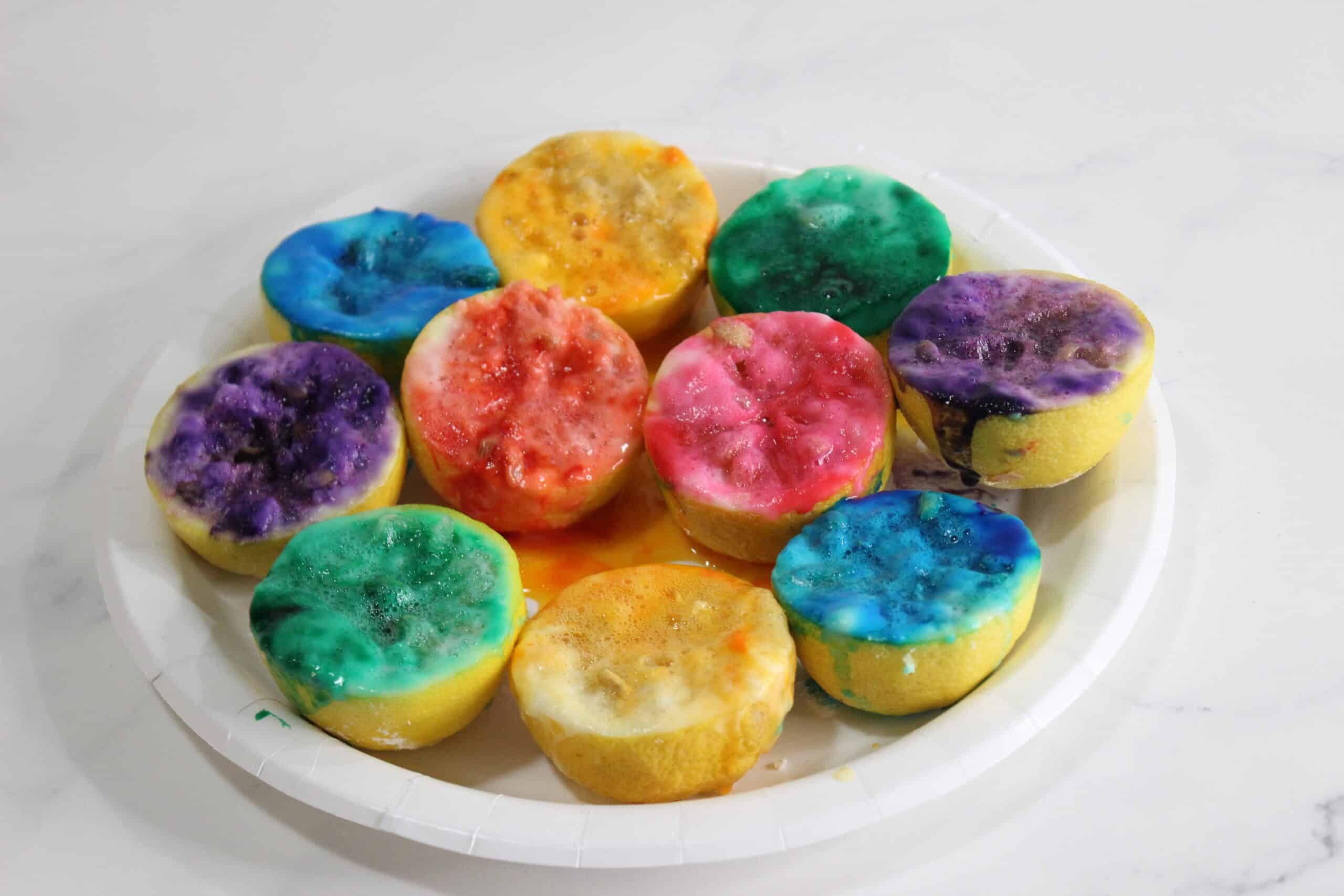
Engaging Science Experiments for Kids: Lemon Volcanoes
Lemon Volcanoes Science Experiments offer a thrilling and interactive way to bring science to life in your home or classroom. These experiments are designed to captivate children with their vibrant, fizzy eruptions that showcase acid-base reactions. This hands-on activity is perfect for science camps, science weeks, or any event centered around scientific exploration.
By engaging in Lemon Volcanoes Science Experiments, kids can explore the fascinating world of food science while also participating in creative crafts. This makes it an ideal choice for summer science activities, spring science events, preschool science lessons, elementary science projects, or even science-themed gatherings for older children in daycare settings.
Why Lemon Volcanoes Are a Great Choice
These experiments are simple yet impressive, using everyday materials such as lemons, baking soda, food dye, spoons, and paper plates. The combination of these items allows for a clear demonstration of chemical reactions right before the eyes of the participants.
The active, hands-on approach to STEM-based volcano activities makes Lemon Volcanoes Science Experiments particularly effective for young learners in preschool and elementary school. Moreover, they spark curiosity about food science and combine chemistry with sensory fun, making them ideal for science camps or science party themes.
Incorporating Lemon Volcanoes Science Experiments into a lineup of other science activities, such as rainbow experiments, creates a dynamic learning experience. For example, preschool color wheel activities can be combined with fizzy science experiments, or baking soda activities that leave children eager for more. Whether in a daycare setting, for first-grade learning activities, or for older school-age groups, these experiments are always a hit.
Materials Needed for Lemon Volcanoes Science Experiments
To conduct this experiment, you will need:
- Lemons
- Baking soda
- Food dye
- Spoons
- Paper plates
These materials are not only affordable but also easily accessible. The lemon provides acidic liquid, while baking soda acts as a base, creating a reaction that produces fizz. The food dye adds visual appeal, and the spoon allows children to control the reaction. Paper plates help contain the mess and make cleanup easy—perfect for summer or spring science activities.
Step-by-Step Instructions for Lemon Volcanoes Science Experiments
Here’s how to set up and run your Lemon Volcanoes Science Experiments:
- Prepare the lemons: Cut the top and bottom off each lemon, then slice it in half. Place each half on a paper plate.
- Add color: Drop 3 to 5 drops of food dye onto the top of each lemon half.
- Add the base: Sprinkle some baking soda on top of the colored lemon halves.
- Trigger the eruption: Press down gently with a spoon on the lemon. It should begin to fizz like a miniature volcano.
- Optional twist: Pre-break the lemon halves before adding baking soda for an immediate reaction without needing a spoon. The more juice released, the more dramatic the eruption.
These steps make Lemon Volcanoes Science Experiments both simple and educational, connecting to elementary science, baking soda activities, fizzy volcano experiments, and food science.
Tips for Success
To enhance the experience, consider the following tips:
- Maximize lemon juice: The juicier the lemon, the better the reaction. You can squeeze it slightly or use a juicer to increase juice release.
- Experiment with amounts: Try varying the amount of baking soda to see how the reaction changes. This introduces basic scientific variables and controls.
- Use different dyes: Experiment with multiple colors on one lemon for a rainbow-style eruption, which pairs well with rainbow science experiments.
- Scale up: Create a tray with multiple lemons, each dyed differently, for group activities at science camps or parties.
- Incorporate storytelling: Pretend each lemon is a volcano on a magical island for a themed science party.
- Combine crafts and science: Use dough or modeling clay to build volcano shapes over the back of the lemon, transforming it into a sculpture that blends science with art.
Expanding Learning: Variations and Extensions
There are several ways to extend the Lemon Volcanoes Science Experiments:
- Color-Changing Volcanoes: Let kids layer different dyes and watch them blend during the reaction. This combines with rainbow science experiments.
- Volcano Landscape: Use dough or play sand to build a volcano around the lemon, creating a miniature sculpture that erupts through a crater.
- Timed Eruption: Sprinkle baking soda and delay pressing the spoon to observe how long the reaction lasts. Introduces observation and control tracking.
- Baking Soda Variations: Try different amounts of baking soda or use alternative bases like washing soda or vinegar to explore how ingredients affect the reaction.
- Outdoor Volcano Theatre: Set up small paper-plate volcanoes in a tray for group activities, ideal for science parties or summer fun.
Final Thoughts
Lemon Volcanoes Science Experiments offer an unforgettable experience for kids, combining simple materials, vibrant colors, and exciting fizzes. These experiments inspire curiosity, connect STEM activities with food science, and align with themes like rainbow science or magical storytelling. They fit perfectly into science camps, science weeks, or themed parties.
By incorporating these experiments into summer science programs, preschool sessions, or elementary activities, you encourage hands-on learning and creativity. Whether it's a rainy day in daycare, spring science events, or preschool color wheel crafting, Lemon Volcanoes Science Experiments stand out as a fun and educational centerpiece.
Gather your lemons, baking soda, dyes, spoons, and paper plates, and let the eruptions begin!

Post a Comment for "Fizzy Lemon Volcanoes: A Colorful Science Adventure for Kids"
Post a Comment