
Former IDF Intel Chief: Oct. 7 Was 'Far Deeper' Than an Intelligence Failure
A Deeper Systemic Failure
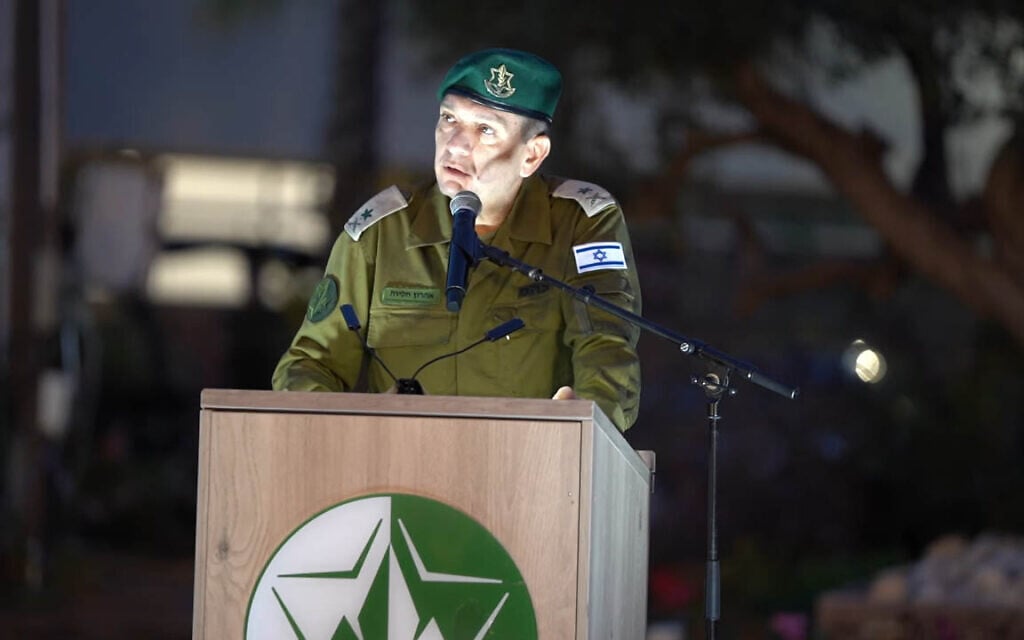
Former IDF intelligence chief Aharon Haliva, in a series of leaked recordings, claimed that the October 7, 2023, Hamas-led attack did not stem from intelligence failures or a delayed response on the night of the attack. Instead, he argued it was the result of “something much deeper, spanning many years, that requires a much deeper correction.” These statements were made during conversations that took place over several months and were later aired on Channel 12’s primetime news program.
In the recordings, Haliva recounted events leading up to the attack, explained his decision to resign as head of the Military Intelligence Directorate, and discussed military and policy decisions before and after the incident. He emphasized that the failure was not about individual shortcomings but rather systemic issues within the intelligence community.
The Night of the Attack
Haliva described the events of the night before the attack, stating that SIM cards used by Hamas operatives were activated as early as 9 p.m. However, the first and last phone call he received was at 3:20 a.m. from his assistant, which did not relate to the SIMs. He noted that while there was a Shin Bet document from 3:30 a.m. indicating that the situation was under control, no one informed him of the potential threat.
He criticized the idea that replacing officials would resolve the issue, arguing that the system itself needed dismantling and rebuilding. Haliva also pointed out that security services cannot act on every intelligence report, emphasizing the complexity of the intelligence puzzle.
Institutional Failures
Haliva maintained that the failure was not due to individual negligence but institutional shortcomings. He stressed that the system required a deep reevaluation and restructuring. He also placed blame on the Shin Bet for not foreseeing and preventing the attack, questioning their effectiveness despite significant funding.
He took responsibility for the event, stating that it happened on his watch. Haliva urged those in senior positions to step down, suggesting that fear of accountability was preventing them from doing so. He highlighted a cultural failure within the system that had persisted for years.
Views on the Gaza War
In discussing the ongoing war in Gaza, Haliva expressed controversial views, stating that the high number of Palestinian casualties was necessary for future generations. He suggested that for every person killed on October 7, 50 Palestinians must die, framing this as a message to future generations.
He also criticized the treatment of Hamas, claiming that the organization is beneficial for Israel in certain contexts. Haliva attributed the rise of Hamas in Gaza to Prime Minister Benjamin Netanyahu, suggesting that the prime minister allowed Hamas to gain power for strategic reasons.
Calls for Accountability
Haliva called for a state commission of inquiry into the October 7 failures, arguing that only such an investigation could draw the necessary conclusions to prevent similar disasters. He criticized the government's resistance to establishing the commission, noting concerns about its impartiality.
In his final remarks, Haliva reiterated his responsibility for the events of October 7, acknowledging his failure and urging those in leadership to take accountability. He emphasized that the military and political leadership failed to protect its citizens and that those in positions of power needed to step down.
Conclusion
The leaked recordings provide a detailed insight into the systemic issues within Israel’s intelligence and military structures. Haliva’s comments highlight the need for a comprehensive overhaul of the system, addressing both institutional and cultural failures. His calls for accountability and reform underscore the urgency of addressing these deep-seated problems to prevent future tragedies.

Post a Comment for "Former IDF Intel Chief: Oct. 7 Was 'Far Deeper' Than an Intelligence Failure"
Post a Comment