
From Trees to Resilience: Kampala's Forest Focus
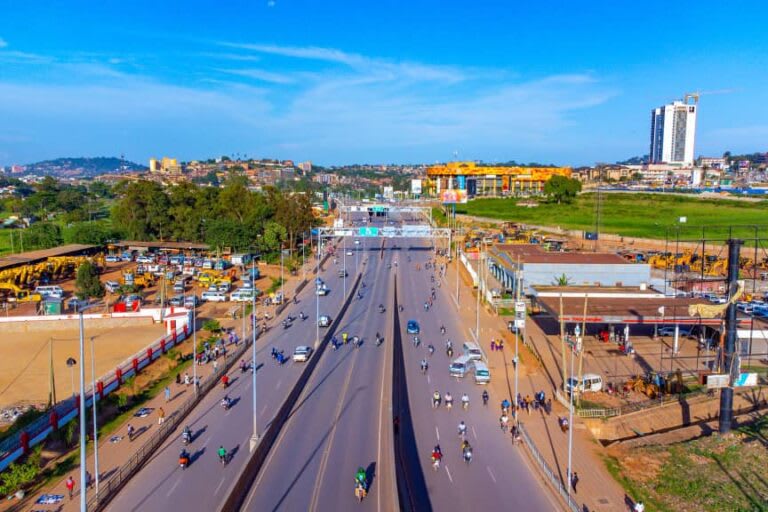
The Transformation of Kampala’s Urban Forests
Ten years ago, Uganda’s capital city, Kampala, faced an unusual problem: trees were falling on the streets, causing injuries and damaging property. After investigating, the local authorities discovered that the issue stemmed from aging and unhealthy trees. This led to a significant initiative by the Kampala Capital City Authority (KCCA), which not only addressed the immediate danger but also improved the city's green infrastructure and climate resilience.
In 2016, the KCCA launched a two-year citywide tree audit. A team of ten foresters and two statisticians counted and assessed every tree in four central districts: Kololo, Nakasero, Mulago, and Makerere. This effort was crucial as there was no baseline data available to understand the city's tree population. Padde Daniel, an urban forester with the KCCA, emphasized the importance of this work during an interview at the Urban Forest Forum in Johannesburg.
The team documented 23 parameters for each tree, including size, location, species classification, and health condition. They assessed approximately 53,000 trees across more than 300 species, with 80% being exotic and 20% native to the region. At the time, urban greening had little visibility in public discourse. Due to limited funding for digital tools, the team used manual methods, such as pens and paper, to complete their work.
Explaining the process, Marvin Kibalama Bogere, a forestry and conservation scientist, noted that they had to educate people about the role of urban foresters and the benefits of their work. Initially, many city staff didn’t understand the purpose of the tree audit. However, over time, perceptions changed, and Kampala became a model for urban forestry efforts in Africa.
In 2021, Kampala was recognized as the first African city to be designated a "Tree City of the World" by the Food and Agriculture Organization (FAO) of the United Nations. This recognition highlights the city's commitment to urban forestry. Catharine Watson, a senior adviser at the Center for International Forestry Research (CIFOR) and World Agroforestry (ICRAF), praised Kampala for its efforts but noted ongoing challenges, such as the cutting down of old trees for road construction and the lack of green spaces in new developments.
Kampala, with a population of 1.8 million, faces the challenge of rapid urbanization, which competes directly for green spaces. Watson emphasized the multifaceted benefits of urban forests, including public health, biodiversity, and job creation. She called for greater recognition of these benefits by politicians and civil servants.
According to Daniel, governmental support, particularly from the city’s mayor, has been instrumental in advancing urban forestry initiatives. Since 2016, Kampala has mapped 200 hectares of green space, georeferenced 134,000 trees across four divisions, and committed to planting at least 8,000 trees annually. These efforts are supported by development partners like the FAO, using geomapping tools and remote-sensing technologies.
The initial audit revealed disparities in tree cover across different areas of the city. Using this data, Kampala developed a 20-year strategy called the Urban Forest Management Plan. This plan aims to increase the diversity of native tree species, create a structured framework for managing the urban forest, raise public awareness, and boost tree density to 30 trees per acre.
Daniel highlighted the potential impact of this strategy on reducing the urban heat island effect, improving air quality, and mitigating flooding. He stressed that urban forestry is not just about planting trees but ensuring their survival through long-term maintenance. To this end, Kampala introduced the “Tree Health Monitoring Dashboard,” a digital tool developed with the FAO that tracks the health of each tree in real time.
Looking ahead, Kampala is focusing on improving its “blue infrastructure” by integrating engineered water systems with natural wetlands and rivers. The goal is to develop a comprehensive green and blue infrastructure master plan. Daniel emphasized the importance of considering biodiversity, asking whether wildlife is being adequately protected.
Kampala is home to various wildlife species, some of which are of conservation concern. A 2023 survey identified potential biodiversity corridors to connect fragmented habitats. This initiative aims to allow wildlife to move between green zones, promoting ecological connectivity.
Despite progress, Daniel acknowledged that challenges remain, particularly in securing public buy-in and political will for adequate planning. He stressed the importance of community involvement, noting that when people understand the benefits of urban forestry, they take ownership and drive meaningful change.
Bogere concluded that Kampala has the climate and the people to support tree growth. With continued efforts, the city can become a model for sustainable urban development and climate resilience.

Post a Comment for "From Trees to Resilience: Kampala's Forest Focus"
Post a Comment