
Frozen Drink Essentials: Milkshakes, Malts, Concretes, Frappes & More
Understanding the Differences Between Frozen Drinks
As the summer heat intensifies, many of us find ourselves craving a cold, creamy, and refreshing drink. The frozen drinks section of the menu offers a variety of options that can provide relief from the sweltering temperatures. However, the way these drinks are made and what they're called can vary significantly depending on where you are in the United States.
Geography, tradition, and local lingo all play a role in how these drinks are prepared and named. Let’s explore some of the most popular types of frozen drinks and what makes them unique.
Milkshakes: A Classic Choice
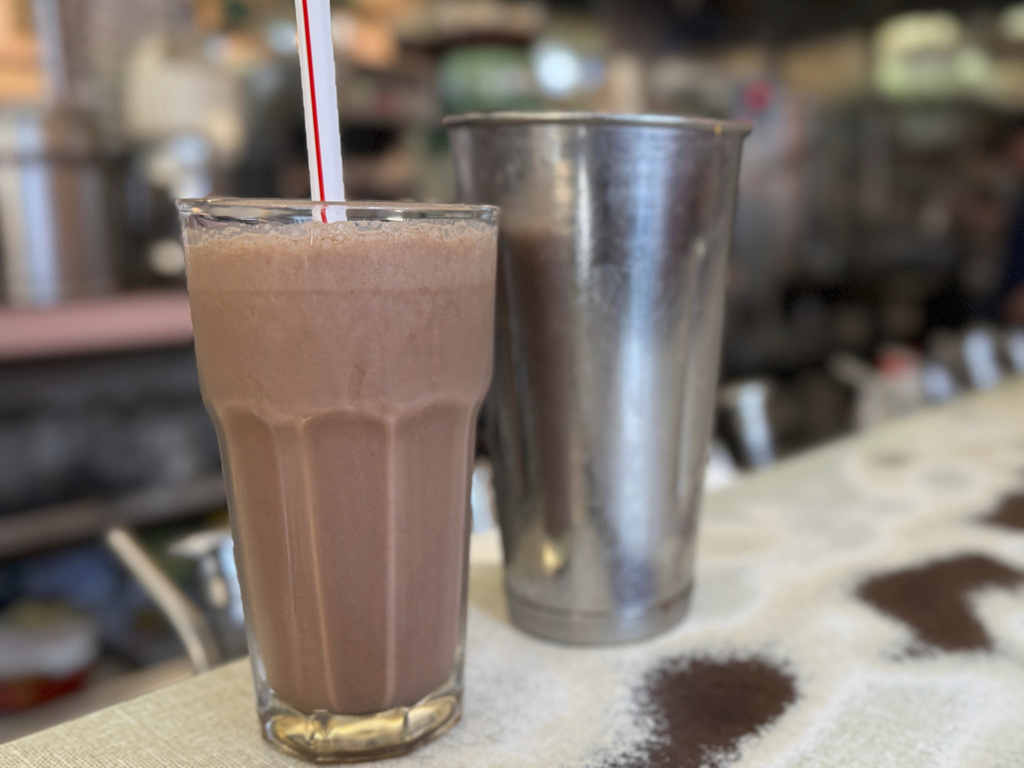
Milkshakes are perhaps the most iconic of the frozen drinks. They are typically made by blending ice cream and milk until smooth and sippable. The ice cream serves as the base flavor, with additional flavorings such as syrups, extracts, or fresh fruit added to enhance the taste.
At the Lexington Candy Shop, a 100-year-old luncheonette located on Manhattan's Upper East Side, vanilla is the most popular milkshake, accounting for about 60% of all shakes ordered. According to John Philis, who co-owns the shop with Bob Karcher, the next most popular flavors are chocolate, coffee, and strawberry. The shop uses homemade syrups, which give the shakes a distinct "wow" factor. Other favorites include the classic black and white (vanilla ice cream with chocolate syrup) and the Broadway (chocolate syrup with coffee ice cream). During the summer, peach shakes are also a hit.
Malts: A Richer Twist
A malt is essentially a milkshake with the addition of a scoop of malted milk powder. Malted milk powder, which combines malted barley, wheat flour, and evaporated milk, gives the drink a distinct toasted, almost nutty flavor. This ingredient evokes memories of 1950s diners and drive-ins.
Originally created as a nutrition booster for babies, malted milk powder found its home behind the counter of ice cream shops and luncheonettes. It adds a slightly richer, old-school vibe to shakes and other frozen drinks. There are also frozen blended drinks made with frozen yogurt instead of ice cream, often referred to as fro-yo shakes.
Frappes: A Regional Variation
The term “frappe” can mean different things depending on where you are. In New England, particularly Massachusetts, a frappe is what many would call a milkshake, made with milk, ice cream, and usually some other flavorings. Locals might refer to it as “frap,” though there is no consensus on the correct pronunciation.
In other regions, frappes can be associated with coffee-blended drinks, such as icy, blended lattes popularized by chains like Starbucks. These are pronounced “frap-pays.”
Frosteds: A Nostalgic Term
In New York City and other regions, a shake used to be known as a “frosted.” When someone orders a “frosted,” it’s a sign of nostalgia for the older days when the term was more commonly used. As fast-food chains began calling their drinks “shakes,” the word “frosted” fell out of fashion.
A frosted float, according to Philis, is a milkshake with an extra scoop of ice cream floating on top. It’s a luxurious take on the classic shake.
Concretes: A Thick and Creamy Treat
Concretes are ultra-thick, creamy frozen desserts that are so dense that a spoon can stand upright in them. They are essentially frozen custard blended with mix-ins like candy, cookies, or fruit, but no milk is added. This makes them more of a scoopable treat than a slurpable one.
Concretes are popular in areas where frozen custard is prevalent, particularly in the Midwest. Frozen custard has significantly less air than most ice cream and contains a required 1.4% of egg yolks, giving it its signature richness. The concrete was invented at a frozen custard shop called Ted Drewes in St. Louis. If you buy one there, the server will hand it to you upside down, saying, “Here’s your concrete,” and it won't fall out.
Floats: The Fizzy Cousins
Ice cream floats are the fizzy cousins of shakes. A scoop of ice cream, usually vanilla, is plopped into a glass of soda, typically root beer or cola, occasionally orange soda or a lemon-lime like Sprite. Floats can evoke nostalgic memories for some people.
Lexington Candy remains old-fashioned with their floats, making the sodas to order with syrup, stirring by hand, then adding the ice cream. In some areas of the country, you might hear a root-beer float referred to as a “brown cow.”
Ice Cream Sodas: A Different Approach
Ice cream sodas are similar to floats but differ in the fizzy base. According to Philis, they are made by combining the syrup of your choice with seltzer. Then add a scoop of ice cream. Usually, the syrup and the ice cream are the same flavor, but people also enjoy mixing and matching.
Smoothies: A Healthier Option?
Smoothies are often considered a healthier alternative to other frozen drinks. Traditionally made with fruit, yogurt, juice, and sometimes ice, smoothies are designed to feel virtuous. However, they can still pack plenty of sugar, calories, and richness, depending on the ingredients. For example, a peanut butter-chocolate-banana smoothie may be more about flavor than health.
So, the only question is: Is there enough time left in the summer to try the whole lexicon of frozen creamy drinks? Believe in yourself. I believe in you.

Post a Comment for "Frozen Drink Essentials: Milkshakes, Malts, Concretes, Frappes & More"
Post a Comment