
How I Manage My Money: Designer on £3k Without a Pension
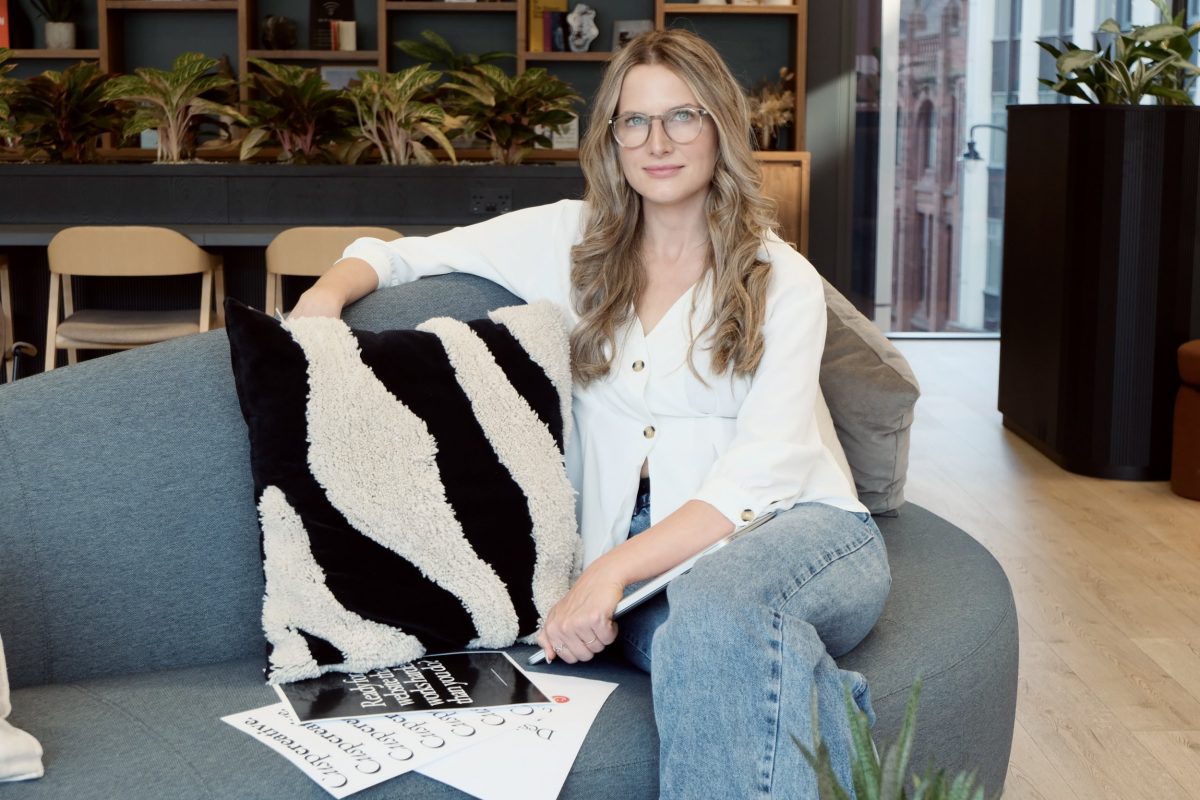
A Look at Emily Newport’s Financial Journey and Goals
In the “How I Manage My Money” series, we explore how individuals in the UK manage their finances to meet their daily needs and long-term goals. This week, we speak with Emily Newport, a 35-year-old freelance designer living in Bristol with her husband, James, 38, their children Alife, 15, Jess, 14, and Jenny, nine, along with their Labrador dog, Reggie.
Emily used to have a stable job but decided to pursue a career as a freelance designer a few years ago. This change has led her to rely more on her husband financially. Currently, she is not saving for a pension and hopes to earn £70,000 annually.
Monthly Budget Overview
Emily’s monthly income fluctuates due to the nature of her freelance work. She typically earns between £2,500 and £3,500 per month, with an average of £3,000. She also receives £173.20 per month in Child Benefit. She sets aside 20% of her business income for taxes and national insurance, as well as for courses, networking events, and tools.
Her husband works as a buyer for a construction company. Their monthly expenses include:
- Mortgage: £700
- Council tax: £200
- Gas and electric: £127.40
- Water: £55
- Groceries: £400
- Service charge for house: £41.41
- Broadband: £42.99
- Mobile phone: £48.30
- Son’s mobile: £7
- Childminder: £55
- Car fuel: £60
- Car insurance: £38.75
- House insurance: £29.75
- Dog insurance: £126.04
- Eating out and takeaways: £150
- Clothes: £20
- Day trips: £100
Emily pays her husband between £400 and £600 per month via standing order to cover shared bills and repay a car he purchased for her. Their family holiday to Italy this summer will cost £7,000, primarily covered by her husband.
Background and Career Path
Emily grew up in Bristol, where her father had a good salary working for Great Western Railway, and her mother worked in the care sector. The family was very careful with money, and debt was not part of their lifestyle. She didn’t own a credit card until her mid-twenties.
After having her first child in 2009, she took on various part-time jobs before becoming a communications manager and personal assistant for a local secondary school. She earned £749 a month after tax, which was a nice job but financially challenging. She left the role in December 2021, seeking more flexibility to be with her children while still earning a decent income.
She discovered an opportunity to complete a fully-funded marketing course at Bath Spa University, which led her to start as a freelance virtual assistant. It was exciting but daunting, as it was the first time she had no traditional job. She felt guilty about the financial pressure on her husband, who was supportive but cautious with money.
Financial Challenges and Adjustments
After leaving her job, Emily and her husband had to adjust their finances. She moved all direct debits to her husband and canceled non-essential subscriptions. These changes affected their relationship dynamics, as her husband tends to be more financially cautious, while her approach can be more carefree. Not having her own money sometimes made her feel like she needed permission to spend, which was frustrating.
They don’t often discuss money, making it hard for Emily to admit when she struggled. She started investing at 29 but wishes she had known more about it earlier.
Current Financial Situation
Emily now works as a freelance designer, focusing on websites, landing pages, and brand-design assets for service-based businesses. She loves her work, but her income is variable. She uses FreeAgent and spreadsheets to manage her finances, though it feels like a lot of work. She hires an accountant for tax-related tasks.
The family lives in a four-bedroom house near the outskirts of Bristol, purchased in 2017 for £250,000. They’ve been lucky with their mortgage, which hasn’t increased. However, Emily doesn’t have much in savings. She uses a Plum account that auto-saves small amounts, but she often withdraws it when cash flow gets tight. She saves 20% of all income for taxes and national insurance.
She isn’t currently contributing to a pension, despite her father’s advice. She contributed to the NHS pension during her previous roles but has two small pensions without knowing their exact values. She worries about retirement, especially as she’s in her mid-thirties and self-employed. She plans to start regular pension contributions once her income stabilizes and wants to learn more about how much she’ll need for retirement.
Future Goals and Aspirations
Emily thinks about money every day, partly due to her entrepreneurial mindset. While she’s not overly materialistic, she values what money allows her to do. She wants to travel, treat her family, give her kids a good start, and have some breathing space. Ideally, she would earn £70,000 a year, which she believes would provide enough to support her family and offer freedom without constant hustle.
She hopes to move into a nicer home and support her children in their future endeavors. For her career, she aims for consistent income with a solid base of retainer clients and more financial stability. Long-term, she wants to pay herself a regular salary and not feel like she’s winging it every month. She also wishes to understand investments better and may explore them if she makes more money.

Post a Comment for "How I Manage My Money: Designer on £3k Without a Pension"
Post a Comment