
I'm a Water Feature Designer—Here's Everything You Need to Know About Building a Rill in Your Garden
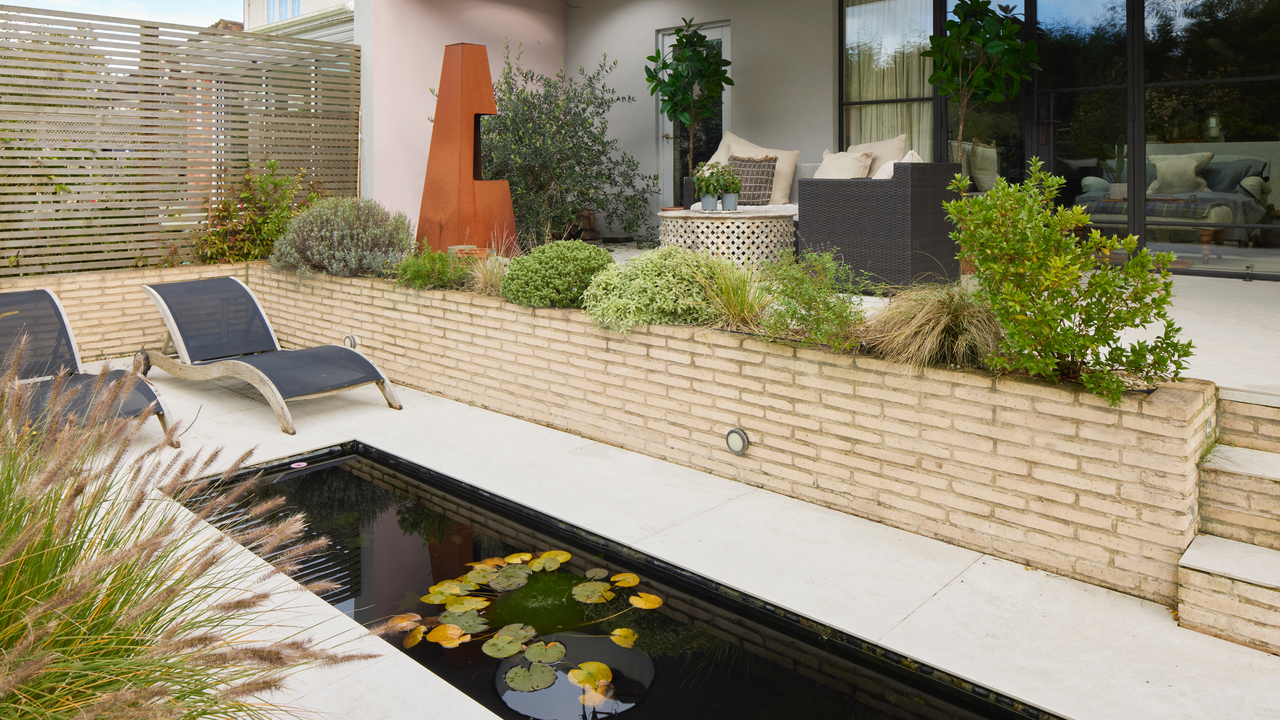
Understanding the Concept of a Rill
A rill is one of those garden features that, without ever having even known the name for it, you've most likely admired plenty of times before. It's no secret that a well-designed water garden can quite easily be the standout feature in even the most dramatic of garden designs. There's just something magical and transportive about the soft hum of flowing water; it elevates even the most beautiful outdoor spaces to the next level, imbuing the whole space with a gentle, spa-like serenity.
While we're certainly not turning our nose up at a classic fountain or small pond, a rill has undoubtedly cemented itself as one of our favorite water feature additions to a garden design. Unlike some of the smaller water features you can find, adding a rill to your garden is a relatively significant undertaking. However, with the right guidance, it can become a stunning focal point that enhances both the aesthetic and functional aspects of your outdoor space.
What Exactly Is a Rill?
As an expert water feature designer explains, "A rill is a manmade channel to transport water from one place to another." While this explanation may sound simple, the designs can be anything but. Rills have been a longstanding feature in gardens and homes for several centuries, helping to provide drinking water and keep your garden hydrated. They have been used by civilizations for thousands of years as a means of providing life-sustaining water for both human consumption and irrigation.
The art of the rill was truly perfected and is indeed still exploited in the Middle Eastern countries of the world where water was the rarest and most precious of commodities. Unlike many other water features, there is a deep-rooted history behind the rill, making it an even more significant addition to your home. Beyond the obvious aesthetic appeal, they can fulfill a functional role too.
The Design Process
Designing a rill for a domestic garden setting involves considering several factors. The obvious and 'straightforward' elements include where the water source is and where the rill will travel. This process may not be simple, but the benefits of a rill—such as creating a sense of privacy and serenity—quickly outweigh any complications.
Traditionally, rills would make use of a nearby source of running water. However, nowadays, most people manufacture this source instead. On the assumption that you are not using a natural, constantly flowing water source, you need to pump water from the bottom of the rill back up to the top. The amount of water in the rill at any one time must be accommodated for in the bottom tank when the power is turned off at the pump.
Choosing the Right Materials
The materials you choose to use when designing your rill will dictate the final product of your design. However, this decision is not just an aesthetic one; you should also consider the way in which the materials react to water and exposure to constantly changing weather conditions. Rills are successfully made in stone, such as slate or granite, as these dark-toned stones enhance the look of the water.
More modern interpretations have seen the introduction of newer hardscaping materials. These include cement with a waterproof render and stainless steel sections painted black. Additional outdoor lighting can further enhance the look of your rill, offering a warm glow come the evening.
Key Considerations Before Building a Rill
Before setting your heart on a modern garden with a big, dramatic rill, it's important to check that your garden is properly suited to this addition. A water feature designer will look for certain elements before installing a rill. Ideally, your garden should have a lawn into which a minimal slope can be introduced, a space for a remote reservoir tank, pump, and filter, and a power supply for the pump, filter, and lighting.
Aesthetically, a rill reflecting the sky and leading away from the viewing point is always pleasing. The vehicle through which the water flows can also help to create a more unique design. For example, a faux waterfall delivered by a garden statue can create an illusion of a continuous wall of water.
Enhancing Your Garden with Other Features
If a water feature is the number one must-have for a chic, elegant garden design, then a fire pit is a close second. A corten steel cube model can be shifted around to sit on two different angles, each as eye-catching as the other. Reclining beach floor loungers are ideal for those who don't want to invest in bulky sunbeds but still want style. Modern plant pots, like the Auran Small Iron Pot from Ferm Living, add an industrial chic feel to any garden design.
These beach-club style outdoor furniture buys will instantly transport you to Ibiza, and if you want to be known for your garden parties, it's time to find out where to buy a fire pit.

Post a Comment for "I'm a Water Feature Designer—Here's Everything You Need to Know About Building a Rill in Your Garden"
Post a Comment