
J&J Talc Evidence Reviewed by Ex-Judge at Drugmaker's Law Firm
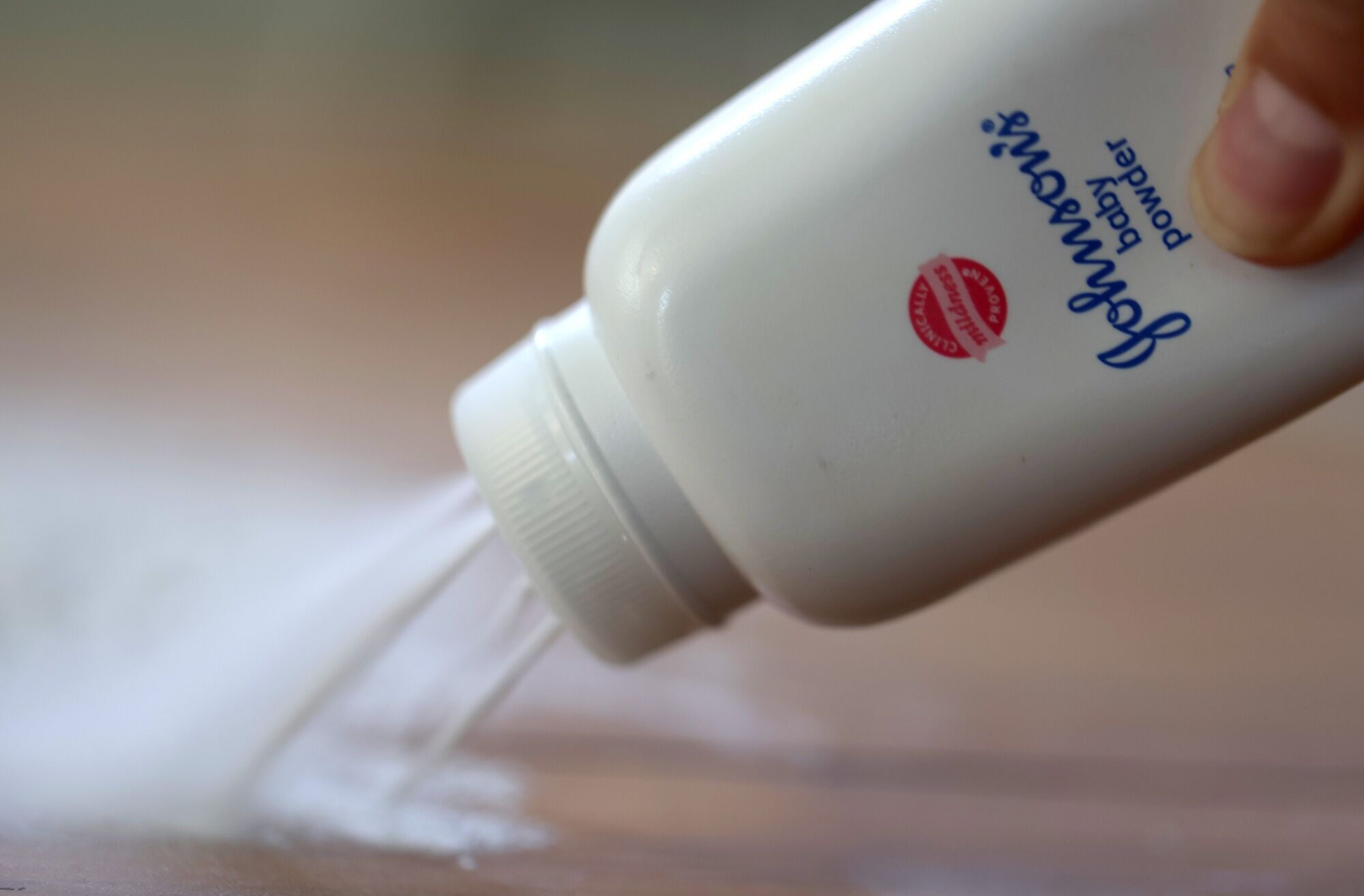
The Role of a Retired Judge in Resolving Major Baby Powder Lawsuits
A retired federal judge is playing a key role in determining the outcome of thousands of lawsuits against Johnson & Johnson (J&J) over its talc-based baby powder. Despite her law firm’s representation of the company in other legal matters, Freda Wolfson has been appointed to re-examine how experts analyzed scientific evidence linking the product to cancer. Her appointment has sparked debate among legal scholars and plaintiffs' attorneys.
Wolfson, 71, was previously involved in overseeing suits that accused J&J of concealing health risks associated with its baby powder. She served as a special master for seven years before retiring in 2023 and joining the New Jersey-based law firm Lowenstein Sandler. That firm represented a J&J unit that filed for bankruptcy in 2021.
Special masters like Wolfson typically operate behind the scenes, but her current role has drawn attention because her findings could significantly impact the chances of plaintiffs winning large verdicts against J&J. The company has already paid billions in damages from state court trials, although it consistently denies any link between its baby powder and cancer.
Legal Ethics and Concerns Over Conflict of Interest
US District Judge Michael Shipp, who inherited the baby powder litigation from Wolfson, determined she does not have a conflict of interest under federal ethics rules. He noted that she disclosed her law firm's ties to J&J and has been separated from colleagues working on unrelated matters. Wolfson will assess new expert evidence that emerged after she approved the scientific basis of the litigation in 2020.
While both sides of the lawsuit agreed to her appointment and split her fees, some legal experts question the decision due to her firm's connections to J&J. Carl Tobias, a University of Richmond law professor, said it is concerning to appoint someone whose firm represents the company, even if it is not directly involved in the baby powder cases. “You don’t want to have any appearance of conflicts when it comes to making recommendations on whether these cases should go to trial,” he said.
Wolfson emphasized that her prior experience managing the cases and her knowledge of expert-witness testimony make her well-suited for the task. She also stated that any potential conflict was waived by the parties involved. According to her June affidavit, the fact that Lowenstein Sandler represents J&J in corporate matters unrelated to talc does not pose a conflict in the baby powder cases.
Impact on Ovarian Cancer Allegations and Future Trials
Wolfson’s new assignment comes as J&J prepares to face more trials over allegations that the company knew about the ovarian cancer risk associated with its baby powder. Over the past 12 years, at least a dozen state court juries have awarded consumers over $6.5 billion in damages, though some awards were later reduced or overturned on appeal.
The company has struggled to resolve the long-running litigation through bankruptcy filings, most recently failing in April when a judge rejected its proposal to pay more than $9 billion to settle all current and future cancer claims. J&J now faces over 70,000 lawsuits as part of a Multi-District Litigation (MDL), which is expected to grow to over 90,000 cases.
Wolfson’s evaluation of recent scientific studies on talc will be critical. If she concludes that the expert testimony supporting the plaintiffs is not sufficiently grounded, it could lead to the dismissal of federal cases, reducing J&J’s legal exposure. Conversely, if her findings support the plaintiffs’ claims, it could strengthen their position in settlement negotiations.
Expertise and Ethical Considerations
Wolfson’s background in handling complex litigation makes her a valuable asset in this case. Elizabeth Burch, a University of Georgia law professor, noted that her deep knowledge of the baby powder litigation allows her to quickly assess new scientific evidence. However, Burch also acknowledged that some plaintiffs' attorneys might be concerned about her law firm’s ties to J&J, even if she has disclosed those relationships.
Wolfson has maintained that an ethical wall exists between herself and any J&J-related matters at Lowenstein Sandler. She has also served as a special master in another case involving a J&J unit, further highlighting her extensive experience in similar legal proceedings.
As the litigation continues, Wolfson’s findings will play a crucial role in shaping the future of these high-stakes cases. Whether her decisions ultimately favor the plaintiffs or J&J remains to be seen, but her involvement underscores the complexity and significance of the ongoing legal battle.

Post a Comment for "J&J Talc Evidence Reviewed by Ex-Judge at Drugmaker's Law Firm"
Post a Comment