
Key Things to Know Before Fixing Chipped and Cracked Countertops
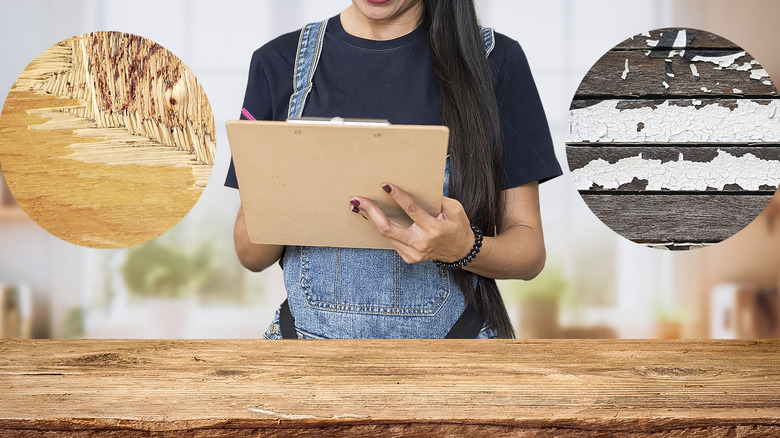
Understanding the Importance of Kitchen Countertop Repairs
Your kitchen is more than just a place to prepare meals; it's a space that reflects your personality and lifestyle. The way your kitchen looks, feels, and functions can significantly impact your daily routine. A small chip in your countertop might seem insignificant, but it can quickly become a source of frustration during meal prep or while enjoying your morning coffee. Whether it's due to general wear and tear, heat damage, or a dropped saucepan, damaged countertops can age your kitchen quickly. However, you don't always need to replace the entire countertop. With the right tools, patience, and knowledge of your surface material, many repairs can be done as a DIY project.
Common Mistakes in DIY Kitchen Countertop Repairs
Before diving into any repair work, it's essential to understand the common pitfalls that can lead to failure. Rohan Jain, Director at RJ Projects, emphasizes that using the wrong materials or not properly preparing the surface are two major mistakes people often make. Many individuals use whatever glue or filler they have on hand, which can worsen the issue or cause the repair to fail prematurely. It's crucial to know the material of your countertop—whether it's laminate, granite, wood, or another type—and use products specifically designed for that surface. Taking the time to choose the right tools and materials can make a significant difference in the success of your repair.
Safety Precautions Before Starting the Repair
Safety should always be a priority when working on any home improvement project. Even though countertop repairs may seem low-risk, there are several hazards to be aware of. Sharp edges from broken stone and chemical-heavy adhesives can pose risks if proper precautions aren't taken. Rohan Jain recommends wearing safety goggles and gloves, especially when using adhesives or sanding. Some repair products emit strong odors, so ensuring the area is well-ventilated by opening windows or using an extractor fan is important. Additionally, if dust is involved, sealing off the area can prevent it from spreading throughout the home.
Essential Tools for Countertop Repairs
Having the right tools on hand is half the battle when it comes to repairing your countertop. While the specific items needed depend on the surface type, there are some staples that every DIYer should have. These include sandpaper or a sanding block, a putty knife or scraper, cleaning cloths, mild cleaner or rubbing alcohol, repair paste or epoxy, touch-up paint (if needed), and gloves and safety goggles. Properly cleaning and prepping the damaged area before starting the repair ensures that the adhesive will stick and set correctly. Using mild cleaners like rubbing alcohol is safe for most surfaces, including laminate countertops.
Cost-Effective DIY Repair Kits
Many minor countertop repairs can be accomplished without breaking the bank. Affordable DIY kits are widely available at local home improvement centers and online retailers like Amazon. These kits are usually tailored to specific countertop materials, such as marble, granite, wood, or laminate. For example, a marble and granite repair kit can cost less than $20 and includes everything needed for chips, dents, cracks, and holes. These kits often come with color-matching options, mixers, and scrapers, making them a convenient choice for homeowners looking to fix their countertops.
Effectiveness of Laminate Repair Paste
Laminate repair paste is a popular solution for minor chips, cracks, or scratches on laminate countertops. When used correctly, it can deliver surprisingly good results. Rohan Jain notes that while it won't be perfect, it blends in nicely and helps protect the surface from further damage. However, it's not a miracle worker. If the laminate is peeling, water-damaged, or has large sections missing, a paste may not be sufficient. Color-matching is also crucial, as mismatched paste can detract from the overall appearance of the countertop.
Painting Laminate Countertops: Pros and Cons
Painting laminate countertops is a popular TikTok hack for budget-friendly kitchen makeovers. While it's possible to paint over laminate, it's important to consider the type of damage you're dealing with. If the laminate is scratched or faded, painting can provide a fresh look. However, it's primarily a cosmetic fix and won't add structural strength or longevity. Using acrylic primer, paint, and a top coat can help ensure durability, but it's not a long-term solution. Painting won't hide cracks or tears, so it's best used as a short-term visual fix rather than a permanent repair.
Tips for Repairing Solid Countertops
When repairing solid countertops like wood or stone, thorough preparation is key. Cleaning the area to remove oil, grime, or debris ensures proper adhesion of fillers or adhesives. Using rubbing alcohol or a gentle cleanser can help achieve this. For minor damage on wooden countertops, wax can be a quick fix, providing a clean finish and some water resistance. However, it's not suitable for deeper damage. For stronger, longer-lasting fixes, wood filler or epoxy putty is recommended, followed by sealing the area with a food-safe oil or sealer.
Can Super Glue Be Used for Countertop Repairs?
Super glue has been a go-to solution for many household repairs, including countertop fixes. While it can be effective for very small chips, it's not ideal for anything beyond minor dings. Clear superglue may not hold up over time or blend effectively. For better results, using epoxy made for stone surfaces is recommended, as it provides a more durable bond and can be tinted to match the surface. Super glue can still be useful for micro-fixes, but for more visible repairs, investing in the proper materials is advisable.
Preventing Future Damage to Your Countertops
To avoid repeating the repair process, adopting mindful habits can help reduce the risk of future damage. Rohan Jain suggests treating heavy pots and pans with care, avoiding dropping or slamming them onto the countertop. Using cutting boards for granite or marble countertops can prevent dulling knives and weakening protective finishes. Managing heat and moisture is also crucial, as sudden temperature changes can crack stone surfaces, while moisture can cause swelling or peeling on wood and laminate.
Household Products for Minor Repairs
For light scratches or dull areas, everyday household items can sometimes do the trick. Beeswax or furniture polish can fill in tiny flaws on various surfaces, while a baking soda paste can polish dull spots on laminate. Toothpaste can even help remove light burn marks. However, these solutions are best suited for minor issues and not for deep chips or structural problems. Store-bought kits are generally more reliable and long-lasting for significant repairs.
Don’t Ignore Small Damages
Even the tiniest chips or hairline cracks can grow into bigger issues if left unchecked. Moisture can seep in, heat can exacerbate splits, and what starts as a minor repair can turn into a costly replacement. Rohan Jain advises against ignoring small flaws, emphasizing the importance of understanding your countertop material and testing products in a hidden spot before applying them to the visible area.
When to Call in the Experts
While DIY repairs can be satisfying and cost-effective, there are situations where professional help is necessary. Structural damage, large areas of damage, or issues affecting plumbing or cabinetry beneath the countertop typically require a professional. Granite and marble countertops, in particular, often need specialized tools and skills. Choosing a licensed and experienced contractor with a proven track record can ensure that the repair is done correctly, preserving the value of your home.

Post a Comment for "Key Things to Know Before Fixing Chipped and Cracked Countertops"
Post a Comment