
Michigan Museum Safeguards Civil Rights Legacy Against Federal Neglect
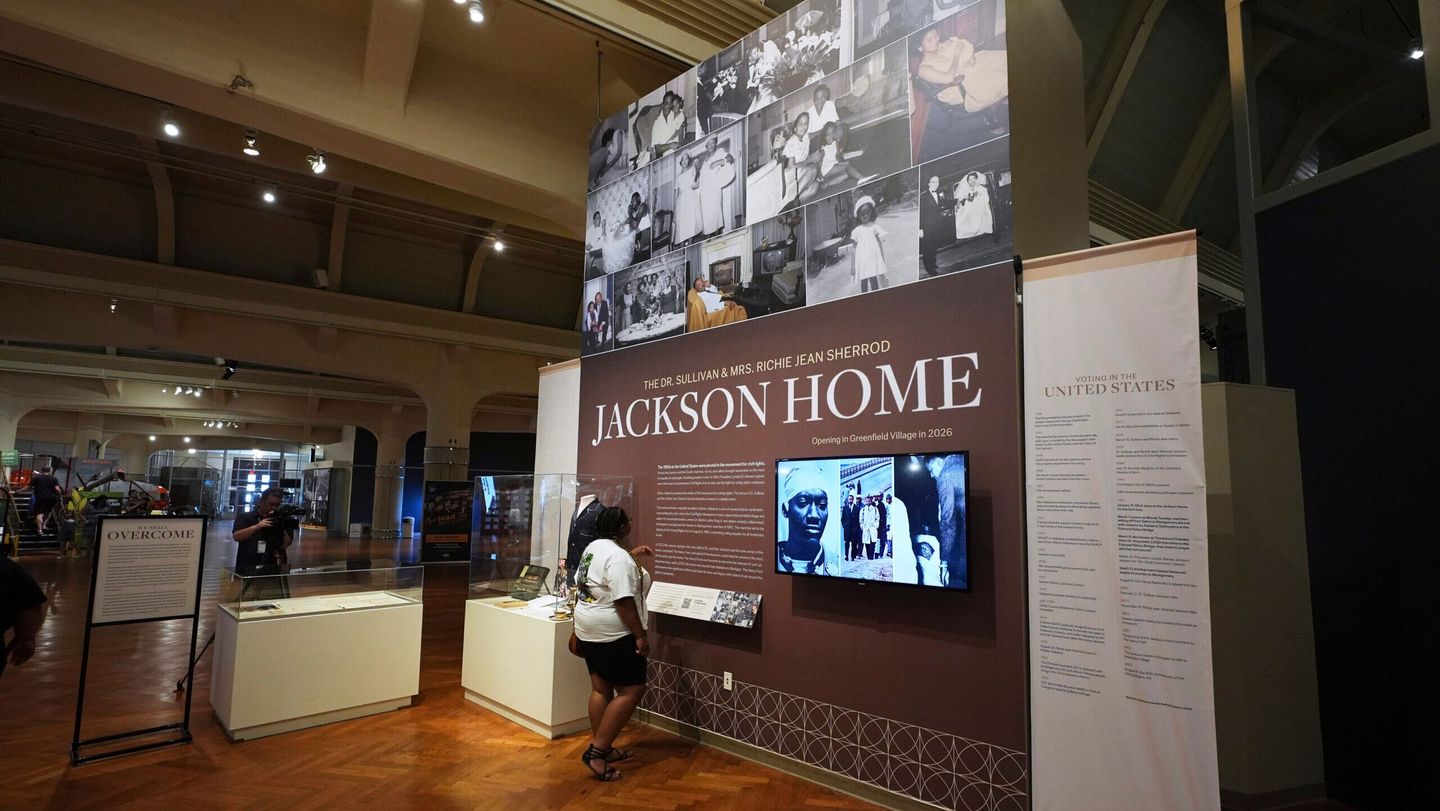
The Relocation of a Historic Civil Rights Site
A historic home in Selma, Alabama, where the Rev. Martin Luther King Jr. and others planned pivotal voting rights marches has been moved to a museum in Michigan. This relocation comes amid growing political efforts to downplay or erase race-centered history in the United States.
The house, known as the Jackson Home, was carefully dismantled and transported over 1,000 miles to Greenfield Village at the Henry Ford Museum in Dearborn, Michigan. The move involved taking each brick, beam, and shingle from the 3,000-square-foot bungalow that once served as a gathering place for civil rights leaders. It was here that King and others strategized the famous Selma to Montgomery marches, which played a key role in the passage of the Voting Rights Act of 1965.
Jawana Jackson, the daughter of the original homeowners, decided to relocate the home because she believed it belonged to the world. She wanted to preserve the legacy of her parents and ensure that the site remained accessible to future generations. The museum is now working on digitizing and cataloging more than 6,000 items from the home, including documents, photographs, and personal belongings that highlight the struggles and triumphs of the civil rights movement.
A New Chapter for the Jackson Home
Patricia Mooradian, the chief executive of the Henry Ford, emphasized that the museum’s mission is to present factual public history without political bias. “Our work focuses on good, factual public history,” she said. The museum aims to educate visitors about the broader American experience, including the significant contributions and challenges faced by Black Americans.
The decision to move the Jackson Home has sparked discussions about how history is preserved and presented. The Trump administration has taken steps to limit the influence of what it calls “divisive” ideologies in federal institutions. These efforts have included removing references to diversity, equity, and inclusion from government policies and encouraging private companies to follow suit.
Institutions like the Smithsonian Institution, which houses the National Museum of African American History and Culture, have also come under scrutiny. The Smithsonian recently removed a reference to former President Donald Trump’s impeachments from an exhibit, prompting criticism from some lawmakers. The museum later stated that it would include all impeachments in the future.
Political Attacks on Historical Narratives
The Trump administration’s executive order titled “Restoring Truth and Sanity to American History” criticized the Smithsonian for what it described as a “widespread effort to rewrite history.” The order claimed that the institution had promoted narratives that portrayed American values as inherently harmful. This rhetoric has raised concerns among historians and museum professionals who believe that preserving a complete and accurate historical record is essential.
Mooradian expressed sadness over the executive order, stating that museums play a vital role in preserving culture and heritage. “It’s important that we tell the truth, that people look to us for the truth, not for opinion, not for judgments but for the truth,” she said.
The pressure on historical institutions has also affected individual artifacts. Rev. Amos Brown, a civil rights activist, reported that two family bibles and a book on Black history he loaned to an African American history museum were removed. He blamed the administration for the decision, calling it an attempt to “wipe out our identity.”
Preserving Painful Histories
Despite these challenges, many museums remain committed to telling difficult stories. The National Museum of African American History and Culture in Washington, D.C., holds iconic artifacts such as the lunch counter from a Greensboro diner where a sit-in protest against segregation took place. Other museums across the country display items that reflect the painful history of racial injustice in America.
The Mississippi Civil Rights Museum in Jackson houses a door from a grocery store where 14-year-old Emmett Till was last seen before his murder in 1955. The museum’s director, Kathryn Etre, emphasized the importance of not hiding the pain and terror of the past. “We’re not going to hide the pain and all of the terror and all the awful things that happened. We try to be unbiased and tell every side of the story,” she said.
As political forces continue to challenge the way history is taught and remembered, the preservation of these sites and artifacts remains crucial. They serve as reminders of the struggles for justice and equality, ensuring that the lessons of the past are not forgotten.

Post a Comment for "Michigan Museum Safeguards Civil Rights Legacy Against Federal Neglect"
Post a Comment