
Most Adults Stressed About Grocery Costs: Poll
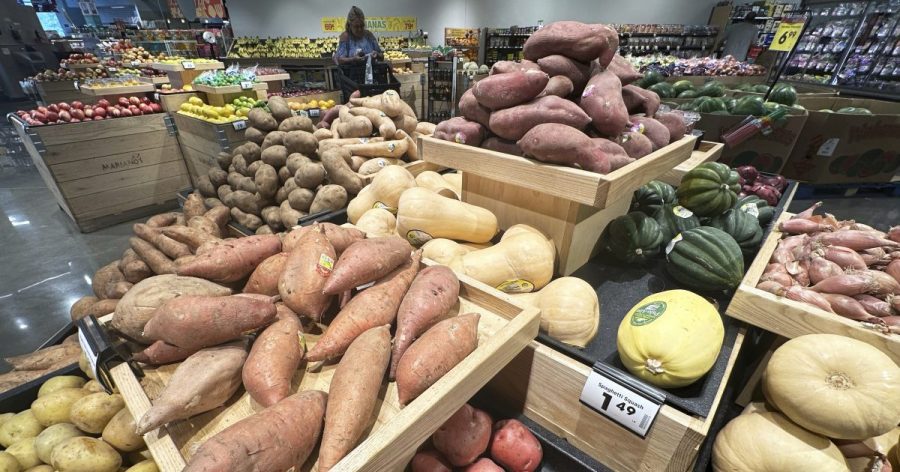
Grocery Costs Are a Major Source of Stress for Many Americans
A recent poll reveals that the majority of U.S. adults are experiencing stress due to the rising cost of groceries. This concern is widespread, with many people feeling the financial pressure of everyday essentials. According to the survey conducted by The Associated Press-NORC Center for Public Affairs Research, about half of all Americans consider the cost of groceries a major source of stress in their lives, while 33% see it as a minor issue. Only 14% say it’s not a source of stress at all, highlighting the significant anxiety surrounding this issue.
Other financial concerns, such as housing costs and savings, are also widely felt. However, these issues tend to affect younger Americans more intensely. Younger individuals are less likely to have substantial savings or own property, making them more vulnerable to financial stress. Additionally, the use of “buy now, pay later” services has become more common among younger adults, especially when purchasing groceries, entertainment, or medical care.
A Growing Trend in Financial Behavior
Adam Bush, a 19-year-old welder from Portland, New York, is one example of how younger Americans are adapting to rising costs. He works for Toyota, earning under $50,000 per year, and often looks for the cheapest options when shopping. His choices include items like hot pockets and TV dinners. This reflects a broader trend where many young people are turning to affordable alternatives to manage their expenses.
The stress of grocery costs affects both young and old. While older Americans may be less concerned about housing or credit card debt, they are just as worried about the cost of groceries. Esther Bland, a 78-year-old retiree from Buckley, Washington, considers groceries a minor source of stress because she relies on local food banks. However, she admits that without this support, the situation would be much more difficult for her.
Economic Anxiety Among Different Groups
The impact of high grocery costs is particularly severe for those with lower incomes. According to the poll, 64% of Americans earning less than $30,000 annually report that groceries are a major source of stress. In contrast, only about 40% of those earning $100,000 or more feel the same way. Even among higher-income groups, around 20% still experience some level of concern about grocery costs.
Women and Hispanic adults, in particular, report higher levels of economic anxiety. Women are more likely to feel stressed about income, savings, groceries, and healthcare costs. Similarly, Hispanic adults face greater concerns about housing costs and credit card and student debt. About two-thirds of Hispanic adults say housing is a major stressor, compared to half of Black adults and 40% of white adults.
Lifestyle Adjustments and Financial Strategies
In response to rising costs, many Americans are making changes to their lifestyles. Shandal LeSure, a 43-year-old receptionist in Chattanooga, Tennessee, who earns between $85,000 and $100,000 annually, has started shopping at more affordable stores. She notes that while this adjustment helps, it sometimes means sacrificing quality.
The use of “buy now, pay later” services has also increased. About 30% of U.S. adults have used platforms like Afterpay or Klarna to cover expenses such as groceries, entertainment, or medical care. These services are popular among younger people, but there are risks involved. Recent disclosures from lenders show that an increasing number of users are struggling to repay their loans. These plans, marketed as safer alternatives to credit cards, lack federal oversight and can lead to financial overextension.
LeSure, for instance, has used pay-later services to buy clothes and cover hotel costs after being evicted. She says these tools help stretch her budget, but managing multiple debts remains a challenge.
Conclusion
The rising cost of groceries continues to be a significant source of stress across the U.S. population, affecting individuals of all ages and backgrounds. From younger workers seeking affordable options to retirees relying on food banks, the financial strain is evident. As more people turn to alternative payment methods, the need for greater financial literacy and support becomes increasingly important. With ongoing economic challenges, addressing these concerns will be critical for many American households.

Post a Comment for "Most Adults Stressed About Grocery Costs: Poll"
Post a Comment