
NASA's Lunar Nuclear Power: Key Facts
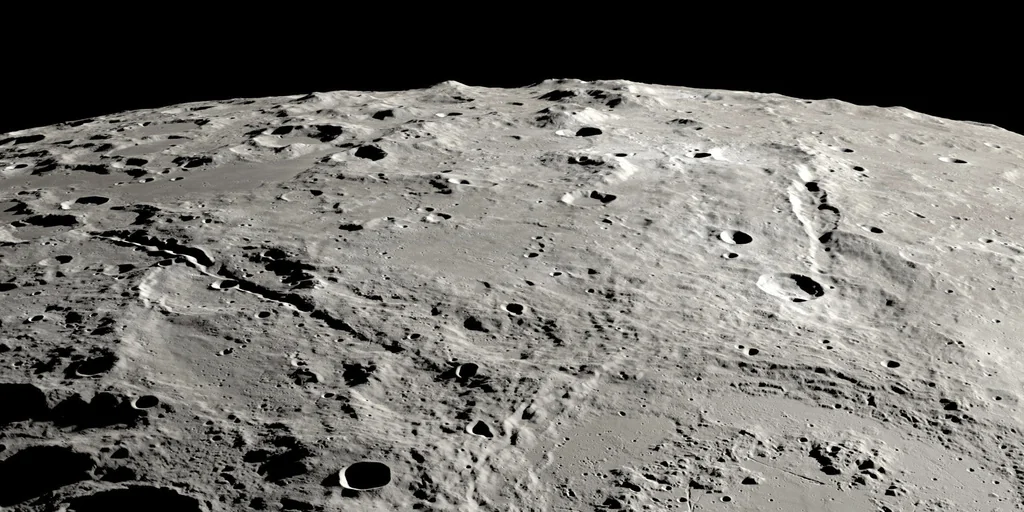
NASA's Plan to Build a Nuclear Reactor on the Moon
NASA has unveiled ambitious plans to construct a nuclear reactor on the moon, aiming to maintain a strategic advantage in the evolving space race with China and Russia. The initiative is part of a broader effort to establish a sustainable human presence on the moon and support future missions to Mars. The target is to have the reactor operational by 2030, aligning with goals set during the Biden administration.
This project marks a significant shift from traditional power sources used in space exploration. While nuclear reactors have been widely used on Earth for over seven decades, placing one on the moon would be a first-of-its-kind achievement. Sean Duffy, NASA’s acting administrator, emphasized that the reactor must generate at least 100 kilowatts of electricity—enough to power around 50 homes. This level of energy output could support long-term lunar missions and research activities.
NASA is actively seeking partnerships with private companies to develop and deploy the reactor. Several firms, including Axiom Space, Vast, and Blue Origin, have already expressed interest in the project. The agency is expected to award contracts through its request for proposals, marking a key step in the development process.
What Is a Nuclear Reactor?
A nuclear reactor is a system designed to control and sustain nuclear chain reactions, primarily for generating electricity. These systems are also used in naval vessels, medical facilities, and scientific research. In the United States, there are 94 commercially operating nuclear reactors spread across 28 states. However, deploying a reactor on the moon presents unique challenges, including extreme temperature fluctuations, radiation exposure, and the need for reliable heat dissipation mechanisms.
The cost of the lunar reactor is estimated to run into billions of dollars, according to Bloomberg. Expenses will include space launch trials, transportation to the moon, testing, and developing a reactor capable of withstanding harsh lunar conditions. NASA’s proposed design includes large radiators to manage heat efficiently, ensuring the reactor can function in the moon’s extreme temperatures.
Why Is This Important?
Nuclear power offers a more consistent and reliable energy source compared to solar panels, which are limited by the moon’s two-week day-night cycle. Solar energy is not viable for sustained human presence on the moon due to the prolonged darkness. A nuclear reactor would provide continuous power, enabling extended missions and supporting advanced technologies such as propulsion systems and communication equipment.
NASA’s vision extends beyond the moon, aiming to support future missions to Mars and other deep-space destinations. The reactor could also serve as a foundation for a lunar economy, facilitating resource extraction and scientific research. According to NASA, the technology is critical for national security in space, as it allows the U.S. to maintain a strategic foothold in lunar exploration.
Historical Context
The concept of using nuclear power in space dates back to the 1960s. One of the earliest experiments was the SNAP-10A reactor, launched in 1965. It operated for 43 days before a technical failure shut it down. More recently, NASA tested the Kilopower reactor in 2012, demonstrating the feasibility of small-scale nuclear power for space applications.
China and Russia have also announced plans to collaborate on a lunar nuclear reactor, aiming to complete the project by the mid-2030s. This has prompted NASA to accelerate its efforts, as being the first to establish a reactor on the moon could grant the U.S. exclusive access to key lunar regions.
Implications and Challenges
Experts have raised concerns about the feasibility of NASA’s timeline, noting that the agency lacks immediate plans for a lunar outpost that would require the reactor. Some critics argue that the project is overly ambitious and may not align with current mission priorities.
However, the potential consequences of falling behind in the lunar race are significant. Under the 1967 Outer Space Treaty, space exploration zones are determined by who claims them first. If another country establishes a presence on the moon, the U.S. could face restrictions on future operations.
Despite these challenges, NASA remains committed to its vision. As Duffy stated, securing a prime location on the moon with access to ice and sunlight is crucial for American interests. The success of this project could redefine humanity’s approach to space exploration and lay the groundwork for a future beyond Earth.

Post a Comment for "NASA's Lunar Nuclear Power: Key Facts"
Post a Comment