
Report: Systemic Failure to Educate Incarcerated Youth in L.A. County
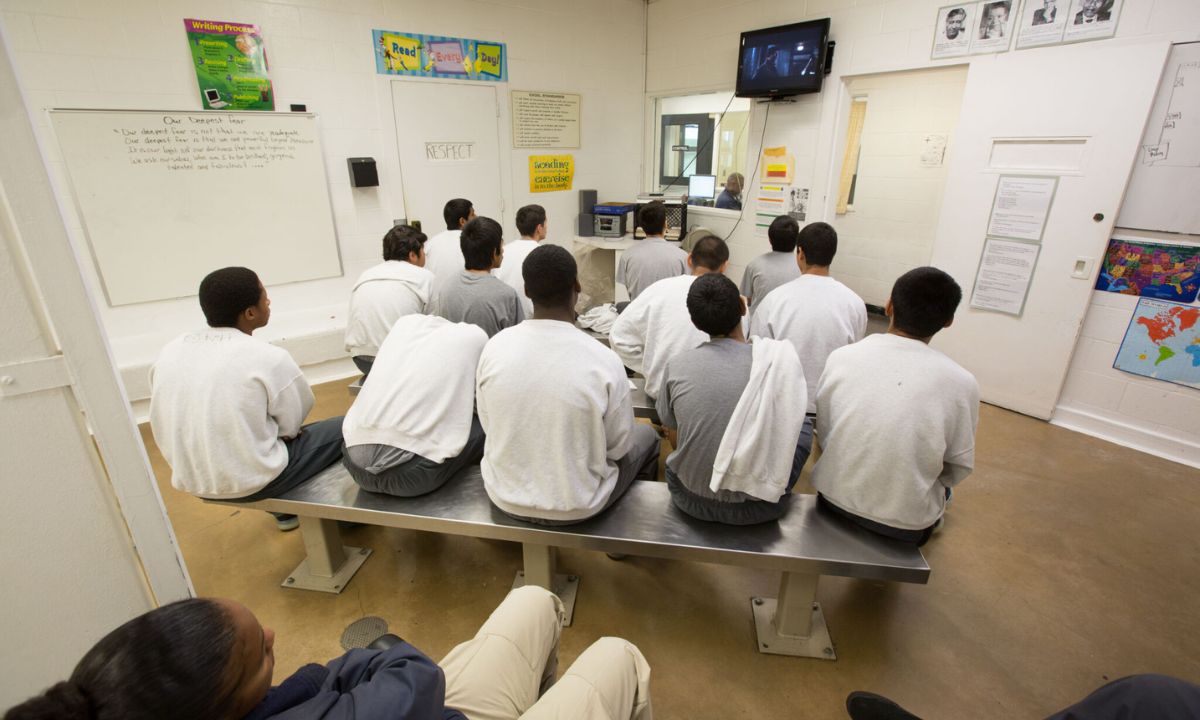
Systemic Failures in Los Angeles County’s Juvenile Justice Facilities
A recent report has highlighted a long-standing pattern of educational and civil rights violations within Los Angeles County’s juvenile justice facilities. The findings reveal that local government agencies have failed to provide adequate education and care for incarcerated youth for decades, leading to significant disruptions in their academic lives.
The report, titled “Who has the power? Chronicling Los Angeles County’s systemic failures to educate incarcerated youth,” points to a complex network of agencies, including the board of supervisors, probation department, and county office of education, as being responsible for the ongoing issues. These entities have repeatedly failed to collaborate effectively, resulting in a system that lacks accountability and fails to meet the needs of students.
The Education Justice Coalition, which authored the report, includes representatives from various organizations such as the Children’s Defense Fund-California, ACLU of Southern California, and Loyola Law School’s Youth Justice Education Clinic. They have outlined three key demands for the board of supervisors: reducing youth incarceration by implementing the Youth Justice Reimagined plan, ensuring access to high-quality education, and establishing transparency and accountability measures.
Decades of Documented Rights Violations
Over the years, numerous reports and investigations have exposed serious issues within the juvenile justice system. Since 2000, there have been multiple instances of student rights violations, some of which led to class-action lawsuits and settlements requiring federal and state oversight.
For example, a federal Department of Justice investigation found significant teacher shortages, inconsistent instruction, and inadequate support for students with special needs. Similarly, a state Department of Justice investigation revealed excessive use of force and inadequate services in juvenile facilities. Multiple findings by state agencies have also indicated that these facilities are unsuitable for the confinement of minors.
Most recently, the state attorney general has requested receivership, which would mean full state ownership of the county’s juvenile halls. However, the Los Angeles Board of Supervisors, probation department, and Office of Education have not yet responded to requests for comment.
The Lasting Impact of Academic Disruptions
Dovontray Farmer, a former resident of Los Padrinos Juvenile Hall, shared his experience of the mismanaged system. He entered the facility again as a 10th grader and described how the lack of proper education affected his life. After being released, he struggled to catch up with his peers and was unable to return to his school’s football team, which he saw as a positive influence.
Farmer’s story is supported by education data showing that during his time at Los Padrinos, 39% of students were chronically absent, less than 43% graduated, and 12% were suspended at least once. These numbers are far below the state averages, highlighting the severity of the issue.
Ongoing Education Concerns
The report’s authors note that students across several facilities have lost thousands of instructional minutes, with little effort made to compensate for the missed education. While compensatory education is typically used to address this, experts argue that it is not sufficient given the extensive abuse and trauma experienced by many students.
Instead, they advocate for a more comprehensive approach that focuses on avoiding detention and keeping young people in their communities to maintain school stability. Past reform efforts have often lacked community input, making it difficult to implement meaningful change.
Youth Justice Reimagined
Youth Justice Reimagined (YJR), approved by the Los Angeles County Board of Supervisors in November 2020, aims to shift the focus from punitive measures to rehabilitative support. This model emphasizes counseling, family and vocational programming, and small residential placements to help youth reintegrate into society.
However, a recent state auditor report found that less than half of YJR’s recommendations had been implemented by mid-2024. The Education Justice Coalition has called for the county to fully fund and implement YJR to address the abysmal educational access and achievement rates among incarcerated youth.
Three Key Demands
To improve the situation, the coalition has outlined three main demands:
- Reduce youth incarceration by fully implementing the Youth Justice Reimagined plan.
- Ensure access to high-quality education, including appropriate support for students with disabilities and access to A-G approved courses.
- Establish transparency and accountability measures, such as providing families with education planning and involving community members in decision-making processes.
These steps are crucial to addressing the systemic failures and ensuring that all students receive the education and support they need to succeed.

Post a Comment for "Report: Systemic Failure to Educate Incarcerated Youth in L.A. County"
Post a Comment