
RFK Jr.'s Plan to Reform Vaccine Injury Program Sparks Anti-Vaccine Backlash
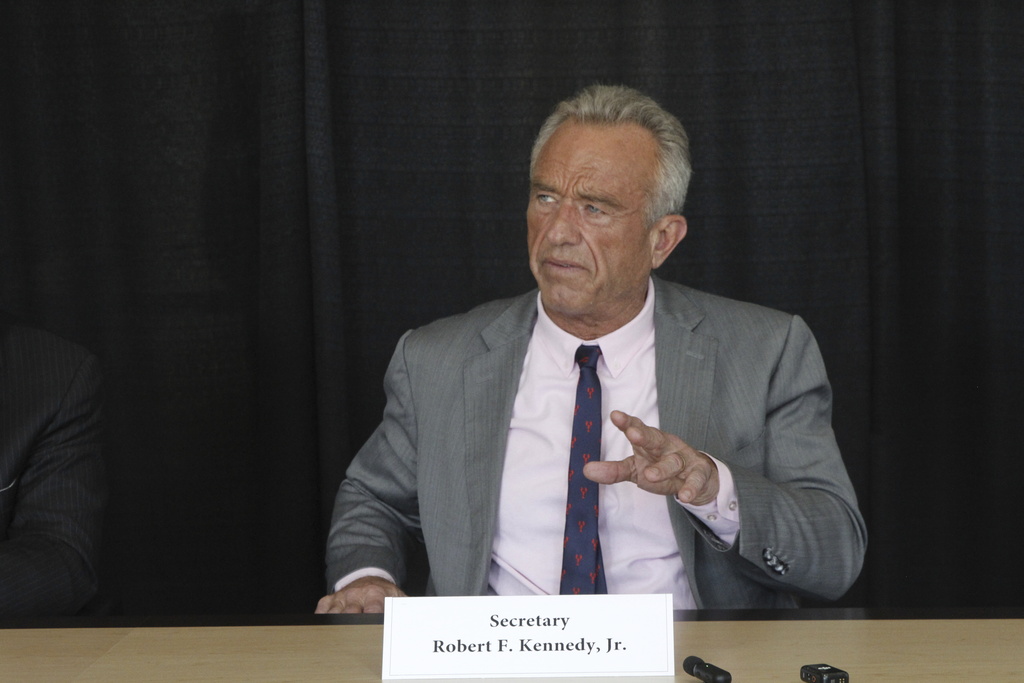
Health Secretary Robert F. Kennedy Jr. Proposes Overhaul of Vaccine Injury Compensation Program
Health Secretary Robert F. Kennedy Jr. has announced his intention to “fix” the federal program that compensates Americans injured by vaccines, signaling potential sweeping changes to a system that has been under scrutiny for years. This move has sparked both hope and concern among health experts and legal professionals, who see the need for updates to address backlogs and inefficiencies in the process.
The Vaccine Injury Compensation Program (VICP), established by Congress in 1986, was designed as a no-fault payment system for individuals who claim to have been injured by vaccines. It was created to protect the U.S. vaccine industry from lawsuits, which had led some manufacturers to exit the market. The program covers rare allergic reactions and other known injuries associated with vaccines, providing compensation quickly and efficiently.
However, critics argue that the program is outdated and needs modernization. The current cap on compensation remains at $250,000, unchanged since its inception. Additionally, there are only eight adjudicators, known as special masters, who review all cases, leading to lengthy processing times—often two to three years.
Kennedy’s proposal has raised concerns due to his history as a leader in the anti-vaccine movement. Some fear that his changes could reflect his past views, potentially expanding the list of covered injuries to include unproven conditions such as autism, despite scientific consensus that vaccines do not cause the condition. Adding autism to the list of compensable injuries could dramatically increase the number of claims, risking the financial stability of the program.
The Role of Anti-Vaccine Advocacy
Anti-vaccine groups have long promoted the idea that vaccines are linked to autism, even though extensive research has shown no such connection. Experts warn that including autism in the VICP could lead to a surge in claims, potentially bankrupting the fund. This would not only strain the program but could also make vaccines more expensive and less accessible.
Kennedy has faced criticism for his ties to organizations and legal teams that have challenged the safety of vaccines. For instance, he has been involved in lawsuits against Merck over its HPV vaccine, Gardasil, including claims of a rare movement disorder. These cases have often been dismissed due to a lack of evidence linking the vaccine to the alleged injuries.
In recent months, Kennedy has partnered with legal firms that specialize in vaccine injury cases. One such firm, based in Arizona, was awarded a $150,000 contract by the Department of Health and Human Services for its expertise in the program. Andrew Downing, an attorney from this firm, was previously listed in the HHS staff directory, raising questions about his role in shaping the future of the VICP.
Potential Reforms and Concerns
Experts agree that the program needs reform to better serve those who have been harmed by vaccines. Dorit Reiss, a professor at the University of California Hastings College of the Law, emphasizes the ethical obligation to promptly compensate those injured by government-recommended vaccines. She believes that a faster and more generous compensation process could help build trust in the vaccination program.
One possible change involves adding new diseases and illnesses to the list of compensable injuries. Critics argue that Kennedy could use this power to expand the program, citing new studies or data that may not be scientifically valid. If this were to happen, the government might need to raise taxes on vaccines to replenish the fund, which could make vaccinations more costly and less accessible.
Another potential reform involves removing certain vaccines from the program, making it easier for individuals to sue vaccine manufacturers. Under current law, claimants must first seek compensation through the VICP before pursuing legal action. However, if the science does not support a link between a vaccine and an injury, lawyers may find it easier to win cases in court, where jurors may not fully understand the medical evidence.
Ongoing Debates and Future Outlook
Despite these concerns, some legal professionals believe that even small changes could improve the program. Extending the statute of limitations for claims beyond the current three years could help more people file petitions. Leah Durant, a vaccine injury attorney, hopes for reforms that make the process more navigable for petitioners.
As the debate over the VICP continues, the focus remains on balancing the need for fair compensation with the integrity of the program. While some see Kennedy's proposals as a step toward modernization, others worry that they could undermine the effectiveness and stability of the entire vaccine compensation system.

Post a Comment for "RFK Jr.'s Plan to Reform Vaccine Injury Program Sparks Anti-Vaccine Backlash"
Post a Comment