
The Hottest Summer 2025 Drinks Revealed: From Classic Favorites to Sober Curious Sips
The Changing Landscape of the Drinks Market
As Nik Jhangiani, the interim boss of Diageo, steps into his role to revitalize the company behind iconic brands like Guinness and Johnnie Walker, he highlights a growing trend in the drinks industry: the potential for profit in sobriety. Jhangiani emphasizes that while consumers are choosing to drink less, they are not reducing their social interactions. Instead, they are seeking moderation without sacrificing the experience.
This shift has been brought to light by the departure of Debra Crew, who previously led the company. Jhangiani views this as an opportunity, with Diageo recognizing that moderation can be a significant growth area. The drinks market is undergoing radical changes, driven by new consumer behaviors and preferences.
The Rise of Non-Alcoholic and Low-Alcohol Beverages
One of the most notable trends is the increasing popularity of non-alcoholic and low-alcohol drinks. This movement is fueled by the rise of weight-loss drugs like Mounjaro and Ozempic, which help suppress alcohol cravings, and the 'sober curious' movement among Generation Z. These consumers are looking for alternatives that allow them to enjoy social occasions without the negative effects of alcohol.
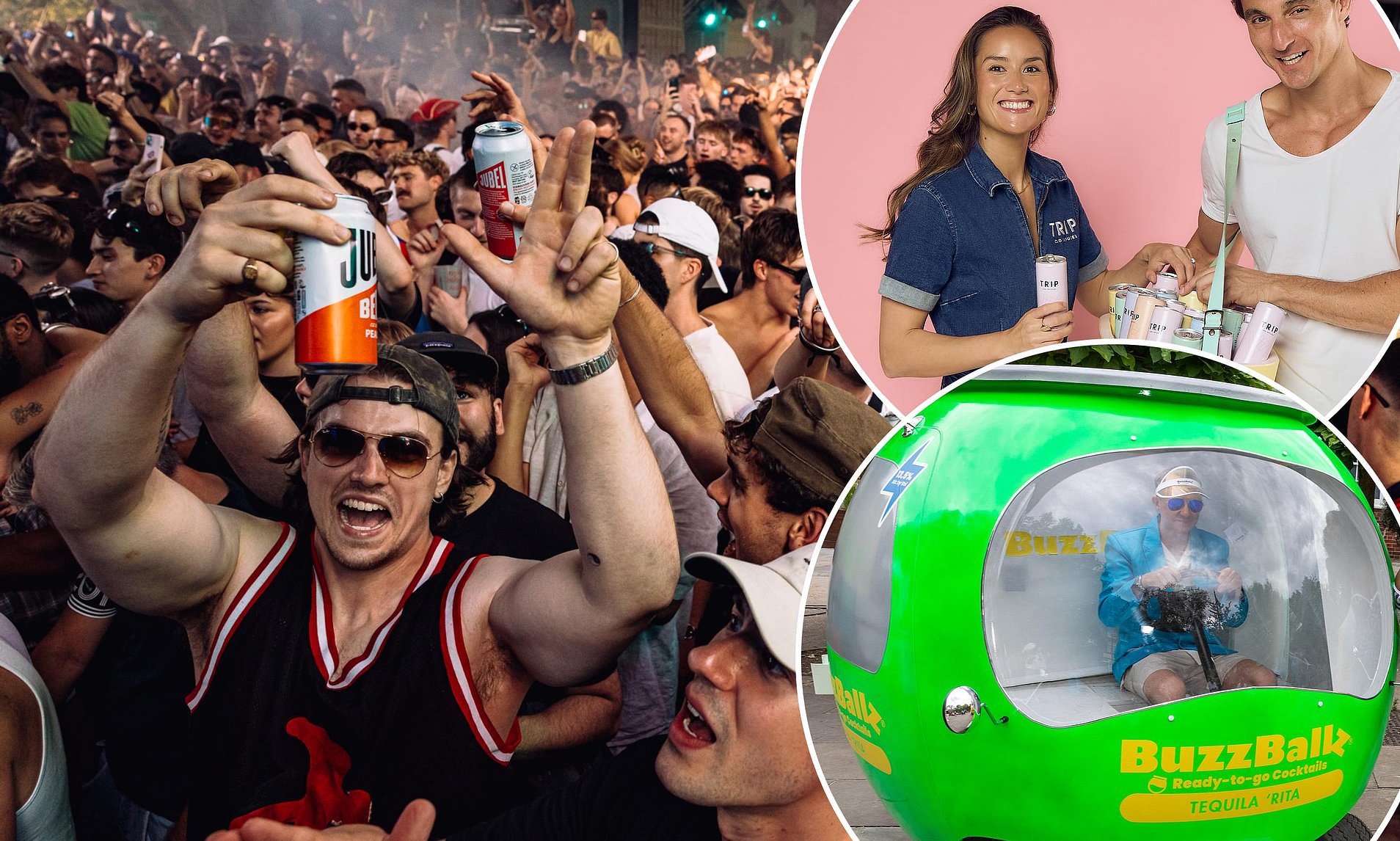
Examples of popular non-alcoholic drinks include Mother Root, a blend of ginger, cider vinegar, and chili, and Trip, a sparkling drink infused with CBD. These products have seen significant sales growth, with 28% increases at Ocado and 32% at Waitrose. Pubs are also anticipating a record number of no- and low-alcohol beer pints this summer.
A Shift in Consumer Preferences
Fraser McKevitt from Kantar notes that no- and low-alcohol drinks are gradually becoming more mainstream. Recent data shows that nearly seven out of every 100 households purchased one last month, leading to a 21% increase in sales. Sarah Holland, a buyer for Waitrose, highlights the trend towards well-being-focused drinking that doesn’t compromise on flavor or social connection.
Olivia Ferdi, founder of Trip, argues that many alcohol-free options fail to deliver on taste and relaxation. Her brand’s CBD-infused drinks aim to address this gap by offering a way to unwind after a long day.
Innovation in the Alcoholic Beverage Market
While non-alcoholic drinks gain traction, there are also dramatic shifts in the traditional alcoholic beverage market. Traditional aperitifs like gin and tonic are being replaced by innovative options such as Hugo Spritz and Buzzballz. These drinks cater to changing consumer preferences, offering unique flavors and experiences.
Ed Faulkner, co-founder of Sapling Spirits, believes that while non-alcoholic drinking is growing, there is also a strong movement toward moderation. Consumers are choosing to drink less but better, focusing on quality over quantity.
Jesse Wilson, co-founder of Jubel beer, is skeptical about the hype around Gen Z and not drinking. He suggests that cost-of-living pressures may be a bigger factor in reduced consumption. However, he acknowledges that preferences are shifting, with consumers seeking more accessible and easier-to-drink options.
Challenges and Opportunities for Pubs
Pubs face challenges in keeping prices low, as seen with Jubel’s beer price increase from £5.50 pre-Covid to £8 in London. Despite these challenges, pubs continue to adapt, offering products that align with healthier lifestyles. Wilson mentions that consumers are increasingly looking for untraditional products that fit their active and health-conscious lifestyles.
Not all traditional beers are struggling. The recent shortage of Guinness highlighted its enduring appeal, with younger males and females now being the main consumers. Tim Martin of JD Wetherspoon notes that Guinness's popularity may be a temporary trend or a longer-term shift.
The Role of Social Media and Celebrity Influence
Celebrities like Kim Kardashian, Olivia Rodrigo, and Beyonce have helped boost Guinness's reputation by posting pictures of themselves enjoying the drink. Simon Dodd of Young’s Pub Chain notes that consumers are willing to pay a premium for good food and drinks when they go out.
The market is also seeing a rise in brightly colored ready-to-drink cans, reflecting a desire for convenience and fun. Jess Scheerhorn of BuzzBallz believes that Gen Z is more discerning about what they consume, seeking drinks that are enjoyable and fit their on-the-go lifestyle.
The Future of Drinking in Britain
Despite the rise of weight-loss drugs, Jubel’s Wilson remains confident that Brits will continue to value socializing at the pub. He argues that drinking is not just about getting drunk, but about social connections and creating memories. While Ozempic may affect appetite slightly, it won’t change the desire for social interaction.
Ultimately, the drinks market is evolving, with both non-alcoholic and traditional beverages finding their place. As consumer preferences continue to shift, companies must adapt to meet the changing demands of the market. Whether through innovation, moderation, or a focus on well-being, the future of drinking in Britain looks diverse and dynamic.

Post a Comment for "The Hottest Summer 2025 Drinks Revealed: From Classic Favorites to Sober Curious Sips"
Post a Comment