
Trump Pushes for European Troops in Ukraine, But Voters Remain Skeptical
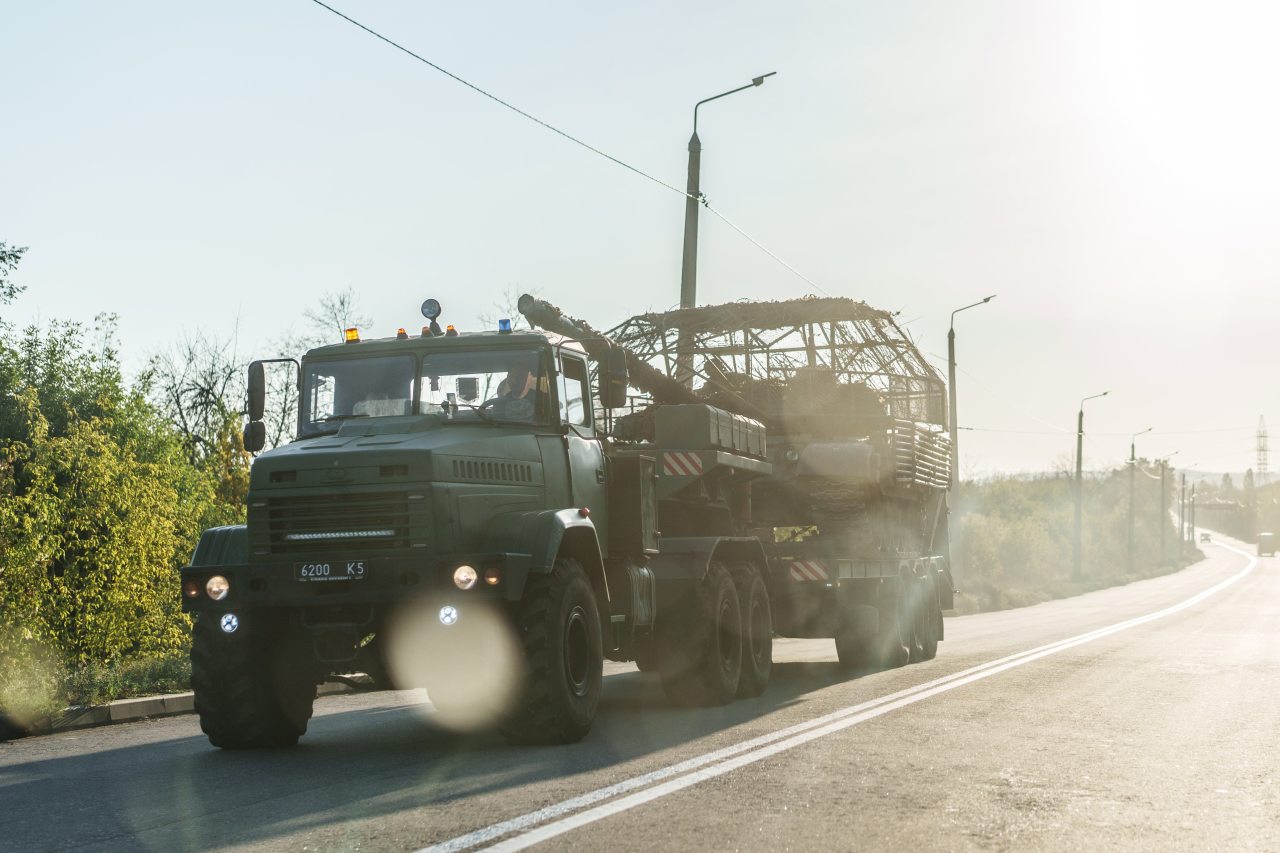
European Public Resistance to Troop Deployment in Ukraine
A proposal to send thousands of European troops into Ukraine, contingent on a peace deal between Kyiv and Moscow, is facing significant resistance from the European public. This hesitation highlights the challenges that European leaders face when trying to implement military strategies amid growing public skepticism.
President Trump has recently shown interest in the idea of the U.S. providing security guarantees to Ukraine. This shift came after France and the United Kingdom suggested sending a “reassurance force” to Ukraine following a potential peace agreement, aimed at deterring further Russian aggression. However, European leaders are now grappling with the reality that many citizens are unwilling to support any deployment that could place troops in danger.
Eastern European countries, in particular, are concerned about diverting their forces from their own borders, which form the eastern flank of NATO. Countries like Germany and Italy also show widespread opposition to such deployments. The legacy of World War II continues to influence public sentiment, especially in Germany, where historical trauma plays a role in shaping attitudes toward military involvement.
When German Chancellor Friedrich Merz proposed consulting parliament on a possible military deployment in Ukraine, the response was cautious. His foreign minister, Johann Wadephul, expressed concerns about the Bundeswehr’s capacity, noting that the military is already expanding its presence in Lithuania to protect NATO's eastern flank. Political leaders have also pointed out that the discussion is premature, given the lack of progress on a peace deal.
In Germany, any troop deployment requires parliamentary approval, and the government holds only a small majority. Opposition parties on both the far-right and far-left strongly oppose sending troops to Ukraine. A recent survey by Insa showed that 56% of respondents opposed a German contribution, reflecting an increase in public resistance compared to earlier this year.
“I fear the Bundeswehr may not have the capacity to take on such a task without leaving us unprotected at home,” said Leonard Wolters, a 28-year-old marketing professional in Berlin.
Even in France, one of the main advocates for deploying troops, public support is conditional. A March survey by Elabe found that 67% of respondents supported sending French forces if a peace accord is reached. Without such an agreement, 68% were against the deployment. Nicolas Degages, a 45-year-old stage technician in Paris, views Russia as less of a threat to France and expresses distrust in Europe’s leadership. He believes that if the mission is for rebuilding, it might be acceptable, but he sees no point in prolonging the conflict.
European officials emphasize that it is difficult to gain public support for any deployment without a clear commitment from the U.S. Despite recent diplomatic efforts, there is still uncertainty about what the U.S. will offer. While Trump has ruled out ground troops, he has indicated that the U.S. will play a role in guaranteeing Ukraine’s security.
Many European leaders argue that deploying troops in Ukraine is essential for Europe’s security, warning that Russia could expand its influence if Kyiv falls. They believe that showing commitment to Ukraine is crucial as the U.S. considers its own security guarantees. These arguments find more support in northern European countries, where nations like the Netherlands, Denmark, and Estonia have expressed willingness to contribute troops.
French President Emmanuel Macron has tried to reassure the public that any deployment would focus on strategic support rather than direct combat. He emphasized that these forces would not be involved in peacekeeping operations or border protection. Instead, they would provide support to Ukrainian military efforts.
Britain’s involvement remains conditional. Prime Minister Keir Starmer has stated that any deployment would require a U.S. commitment to provide military backing if British troops face Russian attacks. While polls suggest that the British public is generally supportive of military involvement in peacekeeping missions, they are reluctant to provoke a direct confrontation with Russia.
Plans for a large-scale European peacekeeping mission have been scaled back due to manpower shortages, particularly in Britain. France and the UK are expected to commit between 6,000 and 10,000 troops. Britain’s focus is likely to be on maritime and air domains, helping to monitor the skies and seas to deter Russian encroachment. Any ground presence would probably involve training Ukrainian forces.
Despite these efforts, the push for even a limited European force faces backlash, especially from populist groups. After meetings with Trump in Washington, Italian Deputy Prime Minister Matteo Salvini criticized Macron for promoting the idea. He urged Macron to take the initiative himself, saying, “You go there if you want. Put your helmet on, your jacket, your rifle and you go to Ukraine.”
Poland, one of the largest supporters of Ukraine in the early years of the conflict, has drawn a firm line against sending troops as part of a broader U.S.-backed security force. Polish officials argue that the risks are too high, as any troop deployment could escalate the conflict and threaten Polish territory.
Following the surge in support in 2022 and the influx of Ukrainian refugees, the war has become highly politicized in Poland. A recent survey by United Surveys found that 58.5% of respondents were strongly against sending troops to Ukraine, while 28% believed the country should "probably not" send troops to its neighbor.

Post a Comment for "Trump Pushes for European Troops in Ukraine, But Voters Remain Skeptical"
Post a Comment