
Trump's Accusation Against Schiff: Clear Motive, Uncertain Legal Grounds
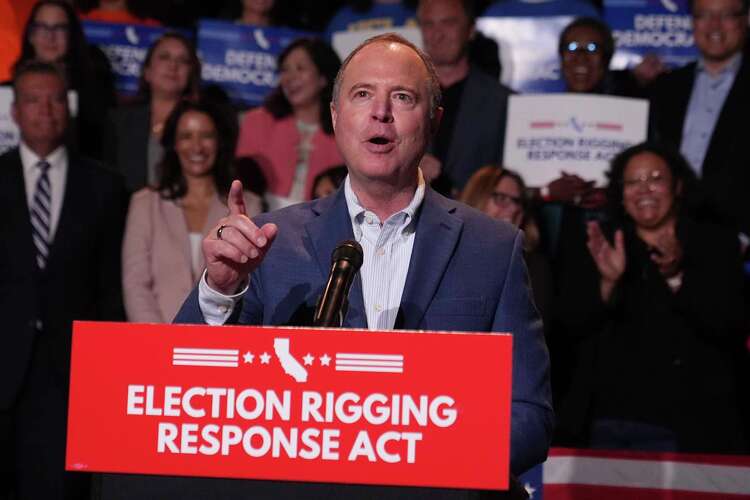
The Political and Legal Controversy Surrounding Senator Adam Schiff
Senator Adam Schiff has long been a prominent figure in the political landscape, particularly as a vocal critic of former President Donald Trump. His role in both of Trump's impeachments made him a target on the president’s “enemies list.” However, what might have initially seemed like a political rivalry took a legal turn when Trump announced a criminal investigation into Schiff’s financial transactions.
The controversy centers around Schiff’s decision to list two homes—located on opposite coasts—as his "principal residence" for several years. This practice could have potentially allowed him to benefit from lower mortgage rates and tax deductions. In 2003, Schiff and his wife, Eve, purchased a home in Maryland, which they lived in for several years. Then, in 2009, they bought a condominium in Burbank, California, within Schiff’s congressional district. It wasn’t until 2020 that he reclassified the Maryland home as a secondary residence.
Homeowners can claim tax deductions on mortgage payments for their primary residence, and Schiff stated that he only claimed this deduction on the Burbank property, saving approximately $70 per year. However, it remains unclear whether he sought reduced mortgage payments on either home. While Schiff’s office maintains that he never misled lenders, they have not provided a clear response to questions about this matter.
The issue came to light after Trump publicly accused Schiff of being a “scam artist” and claimed that federal investigators had found evidence of potential mortgage fraud. As part of this effort, Trump appointed Ed Martin, a special attorney, to investigate possible criminal charges against Schiff.
Schiff has strongly denied these allegations, calling them a baseless smear aimed at political retaliation. He has also pointed out that Trump has remained silent on similar issues involving other politicians, such as Texas Attorney General Ken Paxton, who was accused of declaring multiple homes as primary residences to reduce loan payments.
Legal Implications and Expert Opinions
Mortgage fraud is a serious crime that involves deliberately providing false information to lenders to secure favorable loan terms. It requires proof that the individual knowingly misrepresented key details to deceive the lender. If convicted, the offense can carry a sentence of up to 30 years in prison.
Experts have offered differing perspectives on whether Schiff’s actions constituted a legal violation. William Jacobson, a Cornell law professor, suggested that if true, the allegations could constitute fraud. He noted that an average citizen engaging in similar behavior would likely face prosecution. However, others, such as real estate lawyer Lawrence Jacobson, argued that Schiff acted within the law, citing full disclosure to lenders and consultation with legal counsel.
Political science professor Candace Turitto emphasized that, technically, there is no wrongdoing in Schiff’s transactions based on current evidence. However, she highlighted the broader implications for members of Congress who may need to maintain residences in multiple locations due to their work.
Turitto also pointed out how the modern political environment has changed compared to past eras. She noted that before regular air travel, members of Congress often spent weekends in Washington, D.C., fostering bipartisan relationships. Today, such interactions are less common, affecting the nature of congressional dialogue.
Ongoing Debate and Political Motives
While the political motivations behind the accusations are evident, the legal situation remains complex. Schiff insists he has done nothing wrong, and his supporters argue that the scrutiny he faces is politically motivated. Meanwhile, critics continue to question the legality of his actions, especially given the potential benefits he may have received.
As the investigation unfolds, the case raises important questions about the boundaries of legal behavior for public officials and the role of politics in legal proceedings. Whether Schiff will face any legal consequences remains to be seen, but the debate over his actions continues to spark discussion across the nation.

Post a Comment for "Trump's Accusation Against Schiff: Clear Motive, Uncertain Legal Grounds"
Post a Comment