
US Inconsistency Weakens Central Asia Influence
The Symbolic Tariff and the Broader Challenge of U.S. Engagement in Central Asia
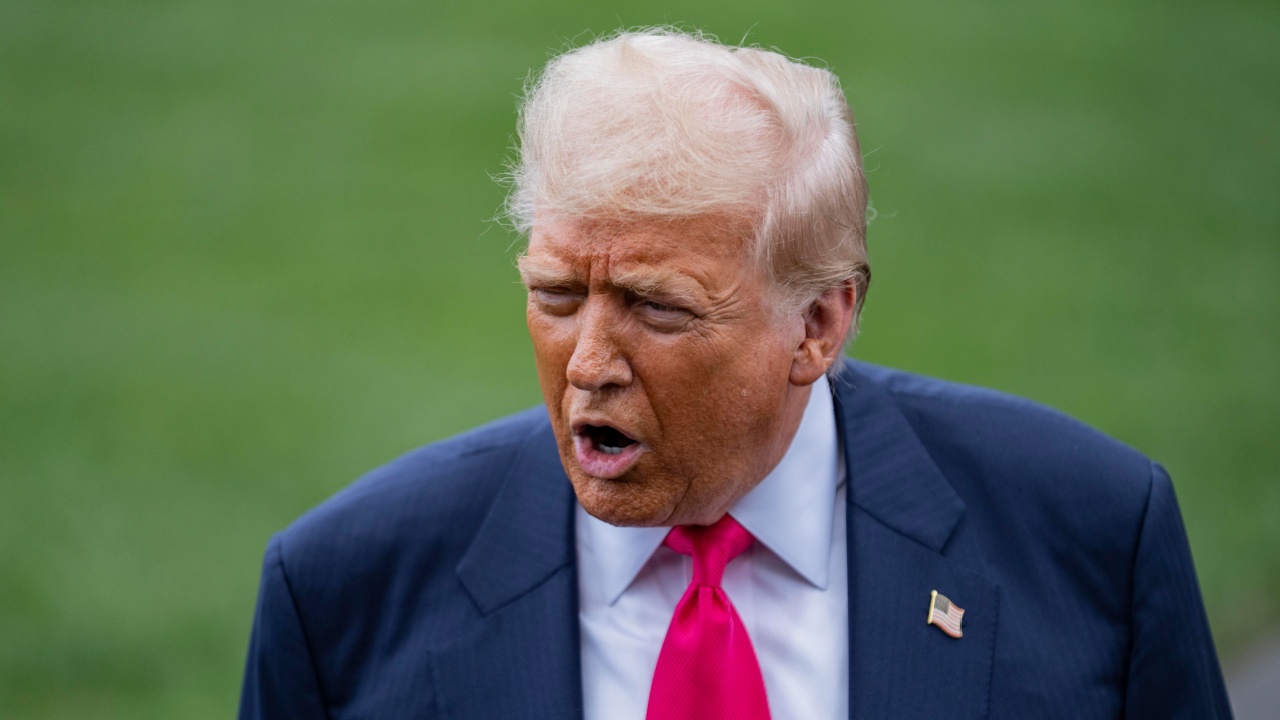
President Trump’s recent imposition of a 25 percent tariff on imports from Kazakhstan was framed as a bold move to address trade imbalances. However, this policy is largely symbolic and does little to impact the broader economic relationship between the two nations. In reality, the tariff has minimal economic consequences for Kazakhstan, given that over 95 percent of its exports to the United States are already exempt from duties under existing trade agreements. This includes critical goods such as oil, uranium, and metals, which continue to flow into the U.S. market without additional charges.
What remains subject to the new tariff is a narrow range of products, including phosphorus-based chemicals, ammonium nitrate fertilizers, ferrosilicon alloys, and even wheat gluten used in food processing. These items represent only about $95 million in total exports to the U.S., or roughly 4 percent of Kazakhstan’s total trade with America. As a result, the tariff has little real economic impact on either country. Yet, the move reveals a deeper issue: the inconsistency and lack of sustained engagement by the United States in Central Asia.
A History of Inconsistent U.S. Policy Toward Central Asia
Kazakhstan, as the largest and most economically significant nation in Central Asia, has long sought closer ties with the United States. Despite this, U.S. engagement with the region has often been sporadic and superficial. In 2019, the Trump administration released a strategy outlining a renewed commitment to Central Asia, focusing on sovereignty, connectivity, and economic growth. However, this strategy lacked concrete follow-through, and over time, U.S. involvement declined, returning to a pattern of neglect punctuated by occasional diplomatic events like the C5+1 summit.
This lack of consistent engagement has created a vacuum that other global powers have eagerly filled. China, in particular, has become a dominant force in the region. Over the past two decades, Beijing has emerged as Central Asia’s leading trading partner, with trade volumes reaching nearly $95 billion by 2024. Kazakhstan alone conducts over $40 billion in annual trade with China, far surpassing its $2–3 billion in trade with the United States.
The European Union has also deepened its economic footprint in the region, becoming the biggest trading partner of Kazakhstan with €45 billion in trade and a major investor in infrastructure and energy projects. Turkey, leveraging cultural and linguistic ties, has expanded its presence through construction projects and growing trade. South Korea and Japan have also maintained strong relationships through technology investments and training programs. Even India and Gulf states have increased their influence in Central Asia.
The Need for a More Strategic Approach
In this competitive geopolitical environment, the United States risks being sidelined if it fails to demonstrate consistent and meaningful engagement. Occasional policy shifts or ad-hoc initiatives do not create the kind of long-term partnerships needed to counterbalance the influence of other global powers. A more focused and sustained approach could yield significant strategic and economic benefits, particularly in areas such as critical mineral supply chains and green energy development.
Kazakhstan is home to vast reserves of materials essential to the modern economy, including uranium, rare earth elements, lithium, and copper. These resources are crucial for global efforts to diversify supply chains and transition to clean energy. A joint initiative between the U.S. and Kazakhstan to develop these resources could provide both nations with substantial advantages.
However, achieving this requires more than just policy statements. It demands political will, sustained investment, and regular high-level engagement. The current U.S. strategy for Central Asia is set to expire in 2025, making this an opportune moment for Washington to reevaluate its approach. By prioritizing Central Asia and investing in long-term partnerships, the U.S. can strengthen its position in the region and support the development of stable, independent states.
The Legacy of the Jackson-Vanik Amendment
One example of how U.S. policy has failed to keep pace with changing realities is the continued application of the Jackson-Vanik Amendment to Kazakhstan. Originally designed as a Cold War-era tool to pressure the Soviet Union on Jewish emigration, this provision remains on the books despite its irrelevance in today’s context. Although every U.S. administration since Kazakhstan’s independence has waived its restrictions, the amendment still stands as a symbol of outdated policies.
Efforts to repeal the Jackson-Vanik Amendment have gained bipartisan support, with recent legislation such as H.R.1024 - US-Kazakhstan Trade Modernization Act aiming to grant Kazakhstan permanent normal trade relations (PNTR) status. However, these efforts have stalled in Congress, highlighting the low priority that Central Asia holds in Washington.
For Kazakhstan, the lingering amendment is more than a bureaucratic issue—it is a test of whether the U.S. truly values its partnership. If the U.S. cannot remove an obsolete trade restriction, it undermines the credibility of its commitments to the region.
A Path Forward
Now is the time for the U.S. to take a more proactive and consistent approach to Central Asia. This means reinvigorating key platforms like the C5+1, sending high-level officials regularly to Astana, and following through on initiatives such as the Critical Minerals Dialogue with actual investment projects. Even modest, consistent engagement can have a significant impact over time, strengthening Kazakhstan’s sovereignty and creating new opportunities for global supply chain resilience.
By recognizing the strategic importance of Central Asia and committing to long-term partnerships, the U.S. can play a more influential role in shaping the future of the region.

Post a Comment for "US Inconsistency Weakens Central Asia Influence"
Post a Comment