
What Is a Coke Plant? Explaining Its Role in Steelmaking After US Steel Explosions
Overview of the U.S. Steel Plant Explosion
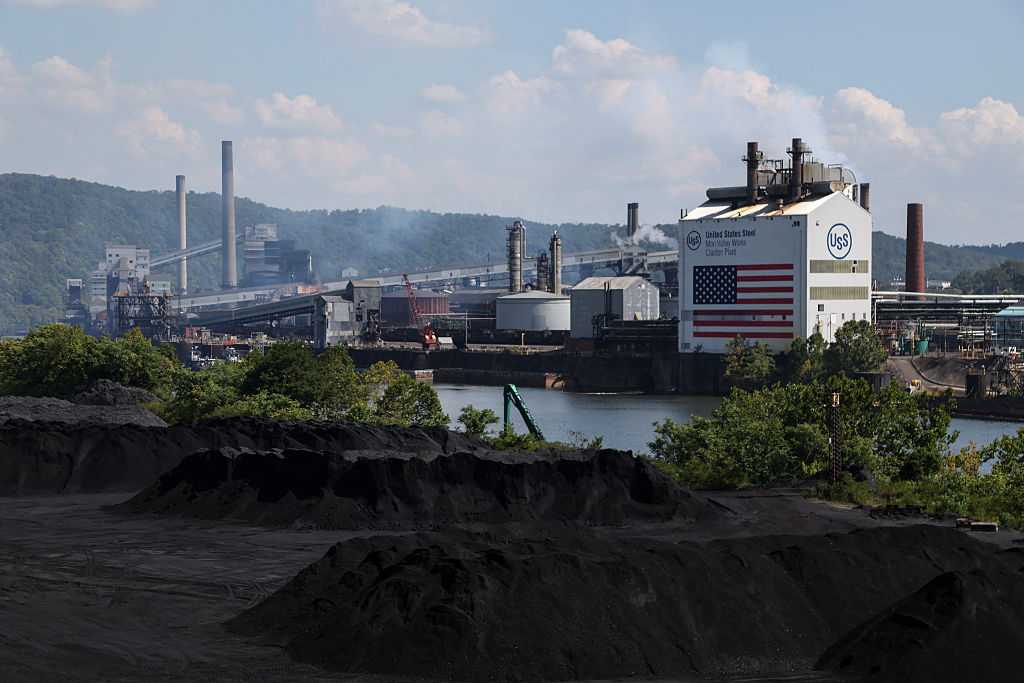
An explosion at a major United States Steel mill in Western Pennsylvania resulted in significant casualties and damage on Monday. At least one person was killed, ten were injured, and one worker remains missing, trapped under the rubble. The incident took place at U.S. Steel’s Mon Valley Works — Clairton Plant, also known historically as Clairton Coke Works. This facility is the largest coke-making plant in North America and plays a critical role in the steelmaking industry.
The explosions occurred at the plant's coke batteries 13 and 14, according to a statement from U.S. Steel. The facility produces high-grade metallurgical coke, which is essential for steel production. According to the company's 2023 annual report, it is the leading producer of this type of coke in the Western Hemisphere.
Understanding Coke and Its Role in Steel Production
Coke is a crucial component in the steelmaking process, though it has no relation to the popular soda or narcotics. The U.S. Energy Information Administration (EIA) explains that coke serves as both a fuel and a reducing agent in smelting iron ore in blast furnaces. It is created by baking coal in special ovens called coke ovens at high temperatures, removing impurities that could weaken the final product.
This process results in a material known as coke gas, which consists of methane, carbon dioxide, and carbon monoxide. These gases are vital for generating the heat required to melt iron ore. The resulting coke is grey, hard, and porous, with a heating value of 24.8 million Btu per ton. U.S. Steel’s Clairton Plant produces 4.3 million tons of coke annually and employs approximately 1,300 workers.
What Is a Coke Battery?
A coke battery refers to a series of coke ovens arranged in rows where coal is loaded and processed into coke. Each oven operates under extreme heat, transforming raw coal into the necessary material for steel production. The term "battery" is used to describe the grouping of these ovens, which work together to maintain the efficiency of the coke-making process.
The Necessity of Coke in Steelmaking
While traditional methods rely heavily on coke, modern alternatives such as electricity, natural gas, or hydrogen offer coke-free or low-coke processes. However, the Clairton Plant remains the only coke-making facility for U.S. Steel in the country, making it a key player in the region’s steel industry.
Location and Historical Significance
Located along the banks of the Monongahela River in Allegheny County, the Clairton Plant is part of the Mon Valley Works, a group of historic steel mills dating back to the era of Andrew Carnegie. Alongside the Edgar Thomson Plant and the Irvin Works, it has contributed significantly to Pittsburgh’s reputation as “The Steel City.”
Environmental Impact and Community Concerns
Environmental concerns have long surrounded the Clairton Plant. Pollution and emissions from the facility have been monitored closely by local, state, and federal agencies. Following the recent explosions, a large plume of black smoke was visible, prompting health officials to advise residents to stay indoors. However, the Allegheny County Health Department later lifted the advisory, stating that no air quality monitors had recorded exceedances.
In recent years, the plant has faced legal challenges over pollution. In 2019, it settled a lawsuit for $8.5 million, agreeing to reduce soot emissions and odors. Additional lawsuits have been filed over violations of clean air laws, including incidents like a 2018 fire that damaged sulfur pollution controls.
Recent Incidents and Ongoing Safety Concerns
In February, a problem with a battery at the plant led to a buildup of combustible material that ignited, causing an audible boom. Two workers received first aid treatment but were not seriously injured. These events highlight ongoing safety concerns and the need for continuous monitoring and improvements in industrial practices.
The Clairton Plant remains a central part of the steel industry, but its operations continue to draw attention due to environmental and safety issues. As the industry evolves, the role of facilities like this will be crucial in balancing production needs with community and environmental well-being.

Post a Comment for "What Is a Coke Plant? Explaining Its Role in Steelmaking After US Steel Explosions"
Post a Comment