
What is Retro Style? Why 2025's Coolest Rooms Are Embracing the Past
Understanding Retro Style
Retro style is often misunderstood as a design that simply replicates the past. However, it's more than just a nostalgic throwback. It's about reimagining elements from the 1940s through the 1970s and blending them with modern aesthetics to create a space that feels both familiar and contemporary. This approach allows for a dynamic and expressive environment that reflects personal style while honoring historical influences.
Retro decor isn't about creating a time capsule; instead, it's about selecting pieces that evoke a sense of nostalgia without overwhelming the space. The key is balance—honoring the boldness of past decades while integrating them into a refined, modern setting. Designers emphasize the importance of thoughtful curation, where each element contributes to a cohesive and inviting atmosphere.
Key Features of Retro Style
-
Tone Over Theme
Rather than focusing on a specific decade or theme, retro style emphasizes tone. This means using materials and shapes that suggest retro energy without locking the space into a particular era. For example, a low-slung modular sofa or a polished burl wood accent can add a retro feel without being overly thematic. -
Earthy Color Palettes
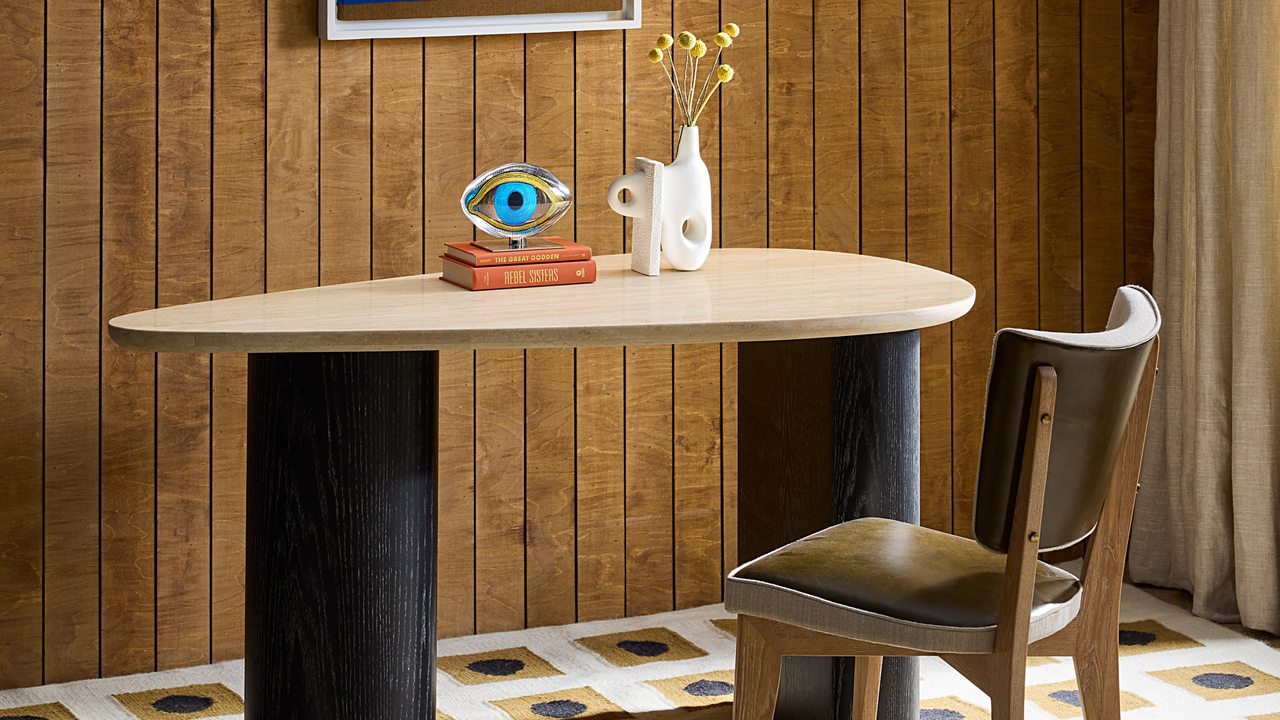
Earthy tones such as mustards, olives, rust, and chocolate browns are central to retro style. These colors bring warmth and a nostalgic quality while feeling current. They can be used in various forms, from wall colors to upholstery, providing a versatile base for other retro elements. -
Tactile Textures and Materials
Retro style thrives on tactile textures. Fabrics like bouclé, chenille, and velvet add depth and richness to a space. Velvet, in particular, is a hallmark of retro design, offering a luxurious and glamorous touch. Hard materials like dark woods (teak and rosewood) also play a significant role in grounding bolder features. -
Vibrant Prints and Patterns
While the overall palette may be restrained, retro style embraces bold geometric patterns and vibrant hues. Statement furniture pieces such as mid-century sofas or tufted armchairs can evoke the essence of past decades. These elements work well with earthier shades, creating a balanced and dynamic space. -
Fearlessly Rich Juxtaposition
Contrast is essential in making retro style work in 2025. Geometric forms from Art Deco design, for instance, carry a distinct retro charge. Layering circular and rectangular forms in warm, earthy tones can create a dramatic and visually engaging space. -
Low-Slung Furniture
Low-slung furniture adds a sense of ease and personality to a retro-inspired space. Asymmetric sofas, vintage accent chairs, and coffee tables that hug the floor contribute to a curated, collected look. This approach avoids a coordinated feel, instead emphasizing individuality and comfort. -
Sculptural Lighting
Lighting plays a crucial role in defining the retro aesthetic. Statement floor lamps or pendants create visual interest and set the mood with a signature golden glow. Smaller fixtures, like a bold 1970s pendant or smoked glass lamp, can feel current when paired with sharp architectural lines or minimalist detailing. -
Bright Pops of Color
Small injections of color can transform an earthy retro palette. Mustard yellow, green apple, burnt orange, and pale pink add vibrancy and character. Art and accessories with iconic silhouettes can bring a retro vibe without overwhelming the space.
Why Retro Style Is Having a Moment in 2025
The resurgence of retro style reflects a broader shift in how people want their homes to feel. There is a growing desire for spaces that reflect personal style and individuality, moving away from cookie-cutter interiors toward something more expressive and characterful. Retro style offers permission to experiment, layer, and have fun with design, making it a popular choice for those seeking a unique and meaningful living environment.
Influences from the hospitality world, such as boutique hotels and members' clubs, have also contributed to the trend. Spaces like the TWA Hotel and The Roxy exemplify the warmth and escapist charm of retro design, blending mid-century shapes with Art Deco and Regency glamour.
Adding Retro Elements to Your Home
Integrating retro elements into your home doesn’t require a full overhaul. A few carefully chosen pieces can create a retro feel without overwhelming the space. Start with smaller accessories like rugs, soft furnishings, or statement lighting. Bold patterns such as checkerboard, stripes, and fish scales can add a retro look, while jewel-colored throw pillows or a chevron-printed throw can introduce continuity.
When mixing retro items, it’s important to balance them with other elements. If the pieces are colorful, consider balancing them with the same color in other areas of the space. Remember, less is often more when it comes to achieving a cohesive and stylish retro-inspired look.

Post a Comment for "What is Retro Style? Why 2025's Coolest Rooms Are Embracing the Past"
Post a Comment