
Why Ukraine and Russia Still Need Infantry (And Why We Do Too)
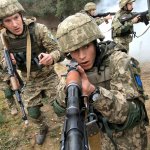
The Enduring Role of Infantry in the Age of Drones
In the ongoing conflict between Russia and Ukraine, a significant transformation has taken place in how warfare is conducted. Drones have become a central element of military operations on both sides, enabling reconnaissance, targeting, and even direct attacks. However, despite these advancements, the presence of infantry soldiers on the front lines remains a critical component of the war. This raises an important question: Why are ground troops still being deployed in such high-risk environments when drones seem to offer a more efficient alternative?
The Evolution of Infantry
Infantry has been a fundamental part of military strategy for thousands of years. From the earliest known battles around 5,000 years ago, where foot soldiers used slings and stones, to modern-day conflicts, the role of infantry has remained largely unchanged—close with and destroy the enemy. Over time, the tools of infantry have evolved from simple weapons like spears and swords to advanced rifles and armored vehicles. Despite these changes, the core mission of infantry has always been to hold and control territory after a battle.
Even in the face of technological advancements such as tanks, aircraft, and artillery, infantry continues to play a vital role. This is because, regardless of how powerful the weapons may be, it is ultimately the soldiers on the ground who secure and maintain control over any given area.
The Challenges of Modern Warfare
Today’s battlefield is heavily saturated with technology, including drones that provide real-time surveillance and strike capabilities. These drones can operate in large numbers, making it difficult for infantry units to move without being detected. In many cases, drones serve multiple roles, acting as reconnaissance tools, loitering munitions, or even as mobile mines. They can also act as spotters for artillery or as the eyes of enemy forces.
This technological dominance means that infantry units must adapt their tactics to avoid detection and minimize exposure to drone-based threats. Many units now include embedded drone operators or work closely with drone support teams to navigate the complex environment. This integration highlights the evolving relationship between traditional infantry and modern drone technology.
Historical Parallels
The current situation bears a striking resemblance to World War I, when industrialized warfare rendered traditional infantry assaults ineffective. The introduction of heavy artillery and machine guns created a stalemate that lasted for years. It wasn’t until the development of tanks and new tactical approaches that the stalemate was broken.
Similarly, today’s military leaders in Ukraine and Russia are experimenting with new strategies to counter the challenges posed by drone warfare. As militaries around the world observe this conflict, they are also considering what the future of warfare might look like, especially in the context of potential conflicts involving major global powers.
The Essential Role of Infantry
Despite the rise of drones and other advanced technologies, the importance of infantry cannot be overstated. While drones can gather intelligence and deliver precision strikes, they lack the ability to physically occupy and defend territory. That is where infantry comes into play. Whether it's conducting assaults, holding defensive positions, or engaging in close combat, infantry remains a crucial element of military operations.
Moreover, the human element of warfare—such as decision-making, adaptability, and resilience—cannot be fully replicated by machines. Soldiers bring a level of judgment and flexibility that is essential in unpredictable and rapidly changing combat scenarios.
Conclusion
As the Russo-Ukrainian War continues, the coexistence of drones and infantry highlights the complexity of modern warfare. While technology has transformed the battlefield, the fundamental role of infantry remains unchanged. Their ability to close with the enemy, hold territory, and adapt to new threats ensures that they will continue to be a vital force in any conflict, no matter how advanced the technology becomes.
)
Post a Comment for "Why Ukraine and Russia Still Need Infantry (And Why We Do Too)"
Post a Comment