
AI Creator Tilly Norwood Isn't an 'Actress' — Don't Call Her That
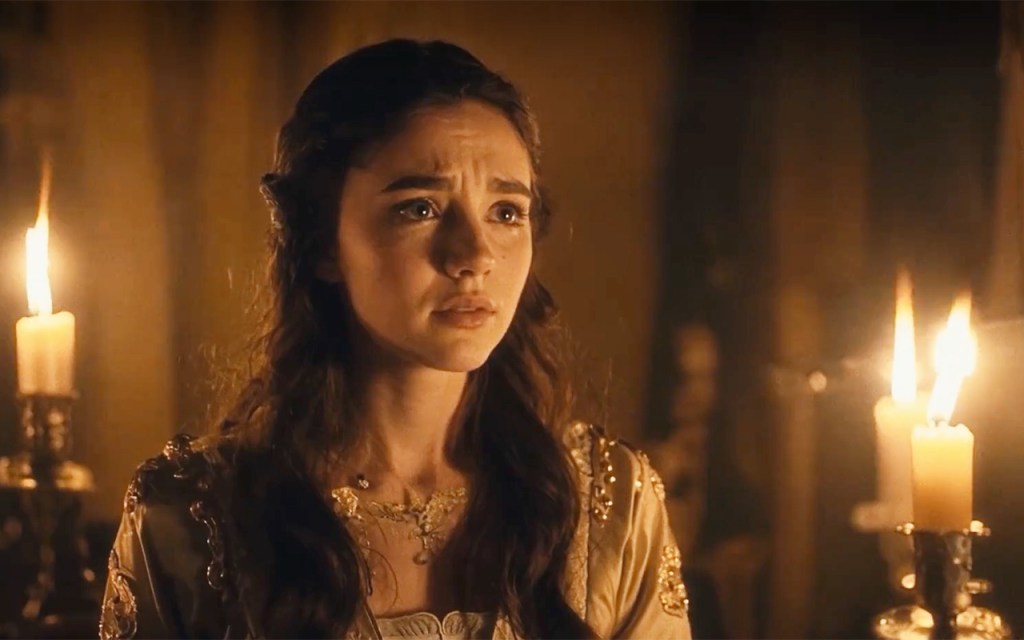
The Rise of AI in Hollywood and the Debate Over "Acting"
It's a common misconception that anyone can act. On a regular basis, I hear people ask about getting voice-over work for extra income or doing a show "for fun." It’s hard not to wonder if any other industry is viewed this way. Do doctors have friends who suggest popping in for a quick organ transplant for kicks? Do relatives ask cops if they can borrow their gun and badge for a day? Acting is an aspirational career, yet it’s notoriously difficult to succeed in. Now, with the emergence of AI-generated characters like Tilly Norwood, the conversation has taken a new turn.
When news broke over the weekend about what many are calling the first AI-generated actress, Tilly Norwood, the response from Hollywood was overwhelmingly negative. This reaction raises questions about what the creators might have expected. In an industry already struggling with the effects of the pandemic, labor strikes, and evolving business models, it seems odd that this would be met with such resistance. Celebrities like Kiersey Clemons and Melissa Barrera quickly voiced their opinions, with Clemons calling it "how gross" and Oscar-nominated actor Toni Collette expressing her disapproval through a series of screaming-face emojis.
Ethical and Artistic Concerns
Beyond the issue of taking jobs away from human actors, there's a deeper concern about the ethical implications of presenting an AI-generated character as an "actress." The term feels misleading and offensive, especially when even the creators don’t use it. Tilly Norwood is the creation of Xicoia, an "AI talent studio" run by Eline Van der Velden, CEO of London-based tech production company Particle6. In response to the backlash, Van der Velden stated that Norwood is not a replacement for a human being but rather a creative work—an act of imagination and craftsmanship.
This distinction is important, but it doesn't fully address the concerns raised by many in the acting community. Calling Norwood an "actress" feels like an insult to the craft. Instead, she could be referred to as a "creation" or an "art project," which might be more accurate. Some of the terms used by my actor friends include "deepfake," "animated character," "hamdroid," and my personal favorite—Grand Theft Automaton.
The Craft of Acting
It’s easy to dismiss the craft of acting, perhaps because it often looks effortless. But the truth is, it requires years of practice, dedication, and emotional depth. Every great athlete trains relentlessly, and the same applies to actors. Their performances are informed by empathy, free will, and life experiences—elements that algorithms and crowdsourcing may not be able to replicate.
Van der Velden’s claim that Norwood should become the next Scarlett Johansson or Natalie Portman highlights a troubling lack of understanding of what makes those actors special. Both Johansson and Portman have built their careers through talent, smart choices, and a willingness to stand up for their beliefs. Norwood, on the other hand, appears to be little more than an attractive face capable of repeating lines.
The Problem with the Promotion
The early promo for Norwood didn’t inspire confidence. One line described her as “like if a Sunday roast went to drama school and got BAFTA-optimized,” which sounds more like a joke than a compliment. Another part of the promo asked, “But can she cry on Graham Norton?” followed by a response that suggested she could, and it would be clipped, subtitled, and monetized on TikTok by lunchtime. These comments reflect a lack of respect for the profession and a misunderstanding of what it means to be an actor.
Until an AI character endures the struggles of real actors—living paycheck to paycheck, enduring countless auditions, dealing with demanding directors, and battling imposter syndrome—it’s hard to call it an actor. Even giving an AI a name, gender, and personality attributes is problematic. The idea of an "exclusive" interview with Norwood where she "breaks her silence" about her existence is unsettling.
A Growing Concern
Considering how poorly the creators of Norwood have read the current landscape, it’s hard to believe their AI will achieve the nuance required for a lasting career. The debate around AI in Hollywood is far from over, and it’s clear that many in the industry are deeply concerned about the implications of this technology.
As the conversation continues, one thing remains certain: the art of acting is not something that can be easily replicated. It’s a unique blend of talent, experience, and emotion that no algorithm can fully capture. Until that changes, the term "actor" will remain reserved for those who have earned it through years of hard work and dedication.

Post a Comment for "AI Creator Tilly Norwood Isn't an 'Actress' — Don't Call Her That"
Post a Comment