
Bitter Family Feud Shatters Britain's Beloved Budget Grocer
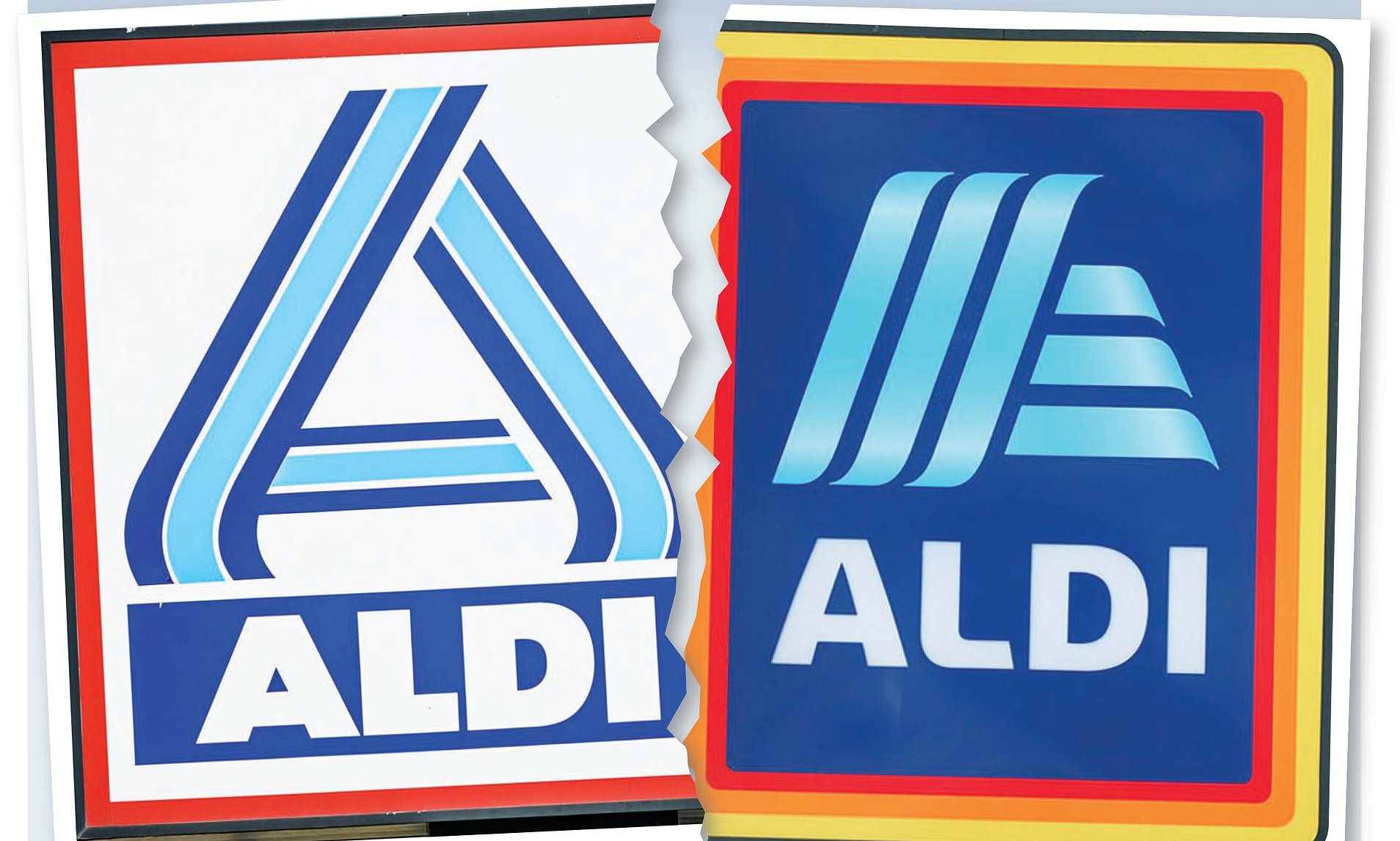
A History of Division and Potential Reconciliation
Pop into any branch of the discount supermarket chain Aldi, and you’ll notice something missing from its shelves: cigarettes and other tobacco products. This absence was not an accident but a decision that created a deep rift between the German brothers who founded the company. For over six decades, this division has been marked by family disputes, inheritance battles, and even a kidnapping. However, recent developments suggest that the two sides of the Albrecht family may be on the verge of reconciliation after more than 60 years.
If they succeed in merging their businesses, the resulting entity could become one of the largest grocery chains in the world, with over 10,000 stores globally. This would surpass most competitors, including Tesco, which operates around 5,000 stores in the UK. Such a merger would significantly enhance Aldi’s influence in the UK, where it is already the fourth-largest supermarket.
Despite its popularity among British shoppers—ranging from budget-conscious families to middle-class customers seeking value—many are unaware that there are actually two distinct versions of Aldi. Fewer still know about the long-standing family feuds that have shaped the company’s history.
The Origins of Aldi
The story begins with brothers Theo and Karl Albrecht, who established the business in Essen, Germany, in 1946. Their country was still recovering from the devastation of World War II. Both brothers had served in the Wehrmacht during the war. Theo fought under Erwin Rommel in North Africa, while Karl was wounded on the Russian front. After returning from a prisoner-of-war camp, they took over their family's small grocery store and began expanding it using strict cost-saving measures.
Aldi, short for Albrecht-Diskont, became known for its no-frills approach. Early stores didn’t even have shelves, and the brothers were famously frugal. Theo was known for using pencils until they were worn down, wearing loose suits that would fit him regardless of weight, and eating simple meals like potatoes. He even once complained about the thickness of paper used for a blueprint and requested a cheaper alternative.
A Split Over Tobacco
The brothers’ relationship began to sour in 1961 when they disagreed on whether to sell cigarettes. Theo wanted to include tobacco, while Karl believed it would attract shoplifters. This disagreement led to the business being split into two separate entities: Aldi Nord (north) and Aldi Sud (south). They agreed not to compete against each other, and the division was formalized along what became known as the Aldi-Aquator.
Aldi Sud expanded into the UK, Italy, and Australia, while Aldi Nord operated in northern Germany, France, Spain, and Poland. Despite their separation, both brothers became incredibly wealthy. In 1971, Theo was kidnapped by a burglar named Paul Kron and his lawyer, Heinz Joachim Ollenburg, who demanded a £1.5 million ransom. Though the money was paid, only half was recovered. Theo reportedly tried to negotiate a lower ransom and later attempted to deduct the payment as a business expense.
Privacy and Isolation
The kidnapping and growing wealth prompted the brothers to retreat further into private life. Theo built a secure estate in the Ruhr Valley and traveled to work in an armored car, changing routes daily. Karl constructed a golf hotel in southern Germany with a tunnel connecting to the course, allowing him to avoid public attention.
Both continued to lead their respective companies until the 1990s. Theo retired in 1993, and Karl stepped down as CEO of Aldi Sud in 1994, remaining chairman until 2002. Theo passed away in 2010 at age 88, leaving behind a fortune of nearly £14 billion. Karl died in 2014 at 94, worth £15.5 billion.
Expansion and Continued Family Drama
Aldi opened its first UK store in Birmingham in 1990. By 2014, the company controlled 4.6% of the UK grocery market. Today, that share has grown to 10.8%, according to Worldpanel. In 2023, Aldi generated £537 million in profits from nearly £18 billion in sales in the UK and Ireland.
Despite its success, the Albrecht family has continued to face internal conflicts. In 2012, a dispute arose following the death of Theo’s son, Berthold, whose will sought to limit certain family members’ control over Aldi Nord. The conflict escalated in 2018 with the death of Cacilie Albrecht, Theo’s widow, whose will aimed to exclude several grandchildren and Berthold’s wife from business decisions.
This dispute was resolved in 2023, with a deal allowing all family members equal shares in Aldi Nord. Recent reports suggest that the family is now considering a broader merger, potentially reuniting the two halves of the business. The cigarette ban, which once caused the split, has also eased, with some Aldi Sud branches now selling tobacco.
While the possibility of future conflicts remains, the potential benefits of a unified Aldi are immense. If the family can overcome their past and reach an agreement, the result could be a global retail giant unlike any other.

Post a Comment for "Bitter Family Feud Shatters Britain's Beloved Budget Grocer"
Post a Comment