
Gov. Braun Addresses Redistricting, Charlie Kirk Shooting, National Guard Deployment and More
Redistricting and Political Dynamics in Indiana
Redistricting has become a hot topic across the United States, with Indiana being no exception. There are ongoing efforts to potentially gerrymander areas within the state, including District 1, which could result in Rep. Frank Mrvan being moved out of the northwest Indiana district. This issue is not just about political boundaries; it's also about how power and representation are distributed.
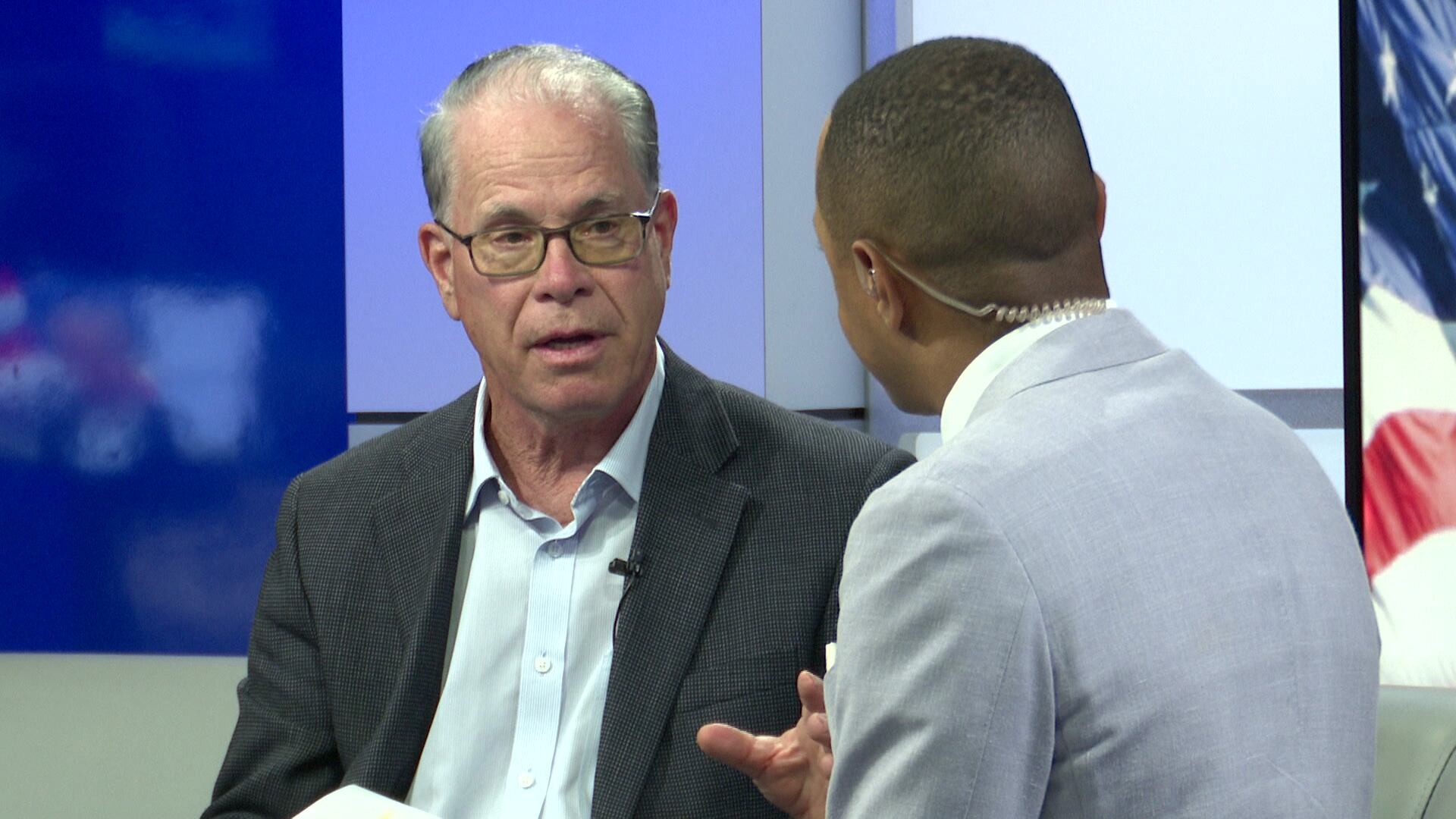
During an interview, Gov. Mike Braun (R-Indiana) shared his thoughts on redistricting and whether he plans to call a special session in November to redraw congressional boundaries. His insights provide a deeper understanding of the complexities involved in this process.
Why Act Now?
When asked why not wait until 2030 for redistricting, Gov. Braun highlighted the changing demographics and population shifts. He pointed out that states like Texas have seen significant population growth, often coming from other states such as California and New York. Florida, for instance, now has more population than New York, with many new residents coming from there. This shift in population can affect political representation and the balance of power.
Braun emphasized the importance of adapting to these changes, noting that states are competing to grow their economies faster. He believes that a more efficient and responsive government is essential, which aligns with the current administration's goals of doing things differently.
The Role of Gerrymandering
Gerrymandering has been a contentious issue, especially in states where political lines are drawn to favor one party over another. Braun admitted he didn’t fully understand gerrymandering until he entered politics. He described the maps created by the opposing party after the 2000 census as resembling "the tentacles of an octopus." These maps were later reconfigured in 2010 and 2020, showing the evolving nature of political boundaries.
Braun expressed a desire for the redistricting process to be organic, allowing for natural changes rather than forced ones. He noted that a third of the Republican legislators visited D.C., and some who initially opposed the idea have since changed their stance. This indicates a growing consensus around the need for redistricting.
Addressing Political Violence and Symbolism
The conversation also touched on the murder of Charlie Kirk and the comments from educators surrounding his assassination. Braun supported the governor of Utah, Spencer Cox, in addressing the issue and called out any celebration of such violence. He stressed the importance of maintaining a respectful political discourse and ensuring that such incidents do not become normalized.
Regarding the lowering of flags to half-staff, Braun acknowledged the symbolic significance of this gesture. He recognized that while it is typically reserved for government officials, military members, or national tragedies, the situation involving Charlie Kirk was so horrific that it warranted the gesture. However, he cautioned against using such symbols for political purposes, emphasizing the need for genuine respect and reflection.
Lessons from Recent Events
Braun reflected on other recent assassinations, including those of two Minnesota lawmakers. He questioned whether there should have been more of an outcry earlier, suggesting that repeated incidents might indicate a deeper societal issue. This highlights the need for vigilance and proactive measures to prevent such tragedies.
Immigration and Border Security
The discussion also covered immigration and the recent actions taken by the federal government. Braun praised the current administration for addressing open borders and reducing illegal crossings. He emphasized the importance of securing the border and supporting ICE in handling individuals who enter the country illegally and commit crimes.
When asked about the potential deployment of the National Guard in Indiana, Braun expressed confidence in the state’s law enforcement. He cited past experiences, such as managing events during the WNBA weekend, to illustrate the effectiveness of local authorities. He hopes to work with jurisdictions to maintain safety and avoid negative publicity.
Conclusion
The conversation with Gov. Mike Braun sheds light on the multifaceted issues surrounding redistricting, political violence, and immigration. As Indiana navigates these challenges, the focus remains on creating a fair and effective system that reflects the changing landscape of the state. The dialogue underscores the importance of adaptability, respect, and proactive governance in addressing complex political and social issues.

Post a Comment for "Gov. Braun Addresses Redistricting, Charlie Kirk Shooting, National Guard Deployment and More"
Post a Comment