
Kirk's Assassination Sends Shivers Through Campaign Trail
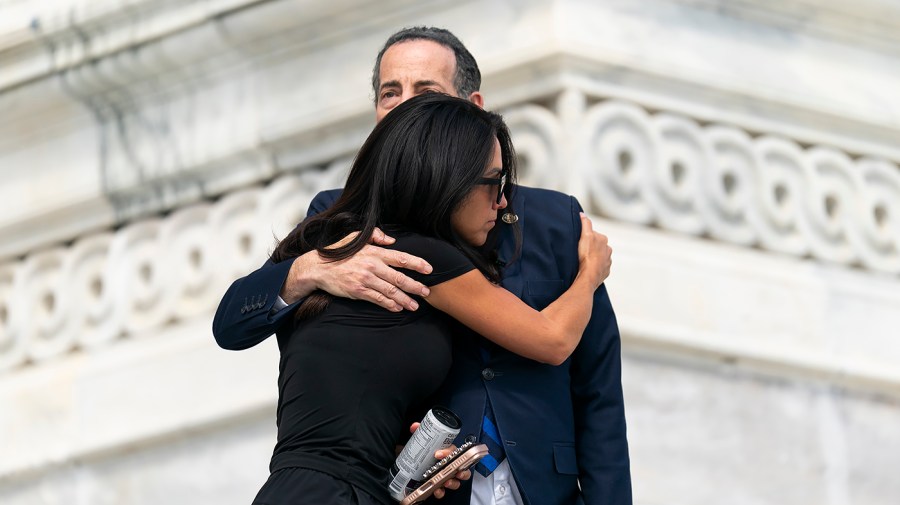
The Impact of Political Violence on Campaigns and Public Engagement
The recent assassination of Charlie Kirk, a prominent conservative activist and Trump ally, has sent shockwaves through the political landscape, creating a palpable sense of unease among candidates and campaign staff. This tragic event has highlighted an alarming rise in political violence across the United States, prompting concerns about the safety of those involved in the democratic process.
Kirk’s murder during a speech at a Utah college on Wednesday has had far-reaching consequences. Both major political parties have condemned the act and expressed their condolences to Kirk's family and colleagues. Just 24 hours after the incident, the Democratic National Committee (DNC) headquarters received a bomb threat that was later determined to be non-credible. However, the mere existence of such threats has added to the growing anxiety within the political community.
Campaigners are now grappling with heightened security measures and revised safety protocols. House Oversight Committee Chair James Comer emphasized the need to rethink how outdoor events are conducted. He acknowledged that most lawmakers do not have access to the kind of high-level security typically afforded to high-profile individuals like former President Trump.
“There could’ve been all the security in the world and not notice that,” Comer said. “That’s like a Secret Service kind of security, and … members aren’t going to have that.” He hopes that the political climate will become more civil and less hostile.
Rep. Nikema Williams (D-Ga.) echoed these sentiments, noting that the incident has created a chilling effect on political activities. This unease is not limited to sitting officials; it also affects aspiring candidates and campaign staff.
At a campaign event in San Antonio, state Rep. James Talarico (D) nearly canceled his event due to the heightened tension. “Canceling this gathering of neighbors — canceling this community — is the goal of political violence,” he said. Similarly, Michigan Senate candidate Mallory McMorrow shared that several of her colleagues and friends have received death threats following the shooting.
Campaign operatives from both parties have also expressed concerns about the impact of political violence on candidate recruitment. Republican strategist Jason Cabel Roe mentioned that potential candidates are increasingly hesitant due to fears for their safety and the well-being of their families. “The fence just got a lot higher,” he said when asked about a specific candidate who was considering running.
While some campaigns have not altered their day-to-day operations, there is a growing sense of difficulty in the work. A Democratic operative noted that while the job remains challenging, the risks are part of the role. “You don’t work in campaigns for the money or the hours,” they said. “You do it because you think you’re doing something good.”
Despite the challenges, many politicians believe that the risks should not deter them from engaging with constituents. Rep. Thomas Massie (R-Ky.) acknowledged the increased risks but emphasized that it is not a reason to stop seeing people. “It’s always a risk. I mean, it’s a bigger risk when your profile gets elevated,” he said.
However, the current environment has led to increased vigilance. Massie admitted that he has heightened his own security. “They’re definitely greater, for sure,” he said when asked about the perceived increase in risks.
In the wake of Kirk’s assassination and other incidents, officials have taken action. A 22-year-old man was detained following the shooting, though the motive remains unclear. As the nation continues to grapple with the implications of political violence, the focus remains on ensuring the safety of those involved in the democratic process while maintaining public engagement and accessibility.

Post a Comment for "Kirk's Assassination Sends Shivers Through Campaign Trail"
Post a Comment