
Mobile Home Dwellers Endure Higher Weather Threats
The Challenges of Living in Mobile Homes in Extreme Weather
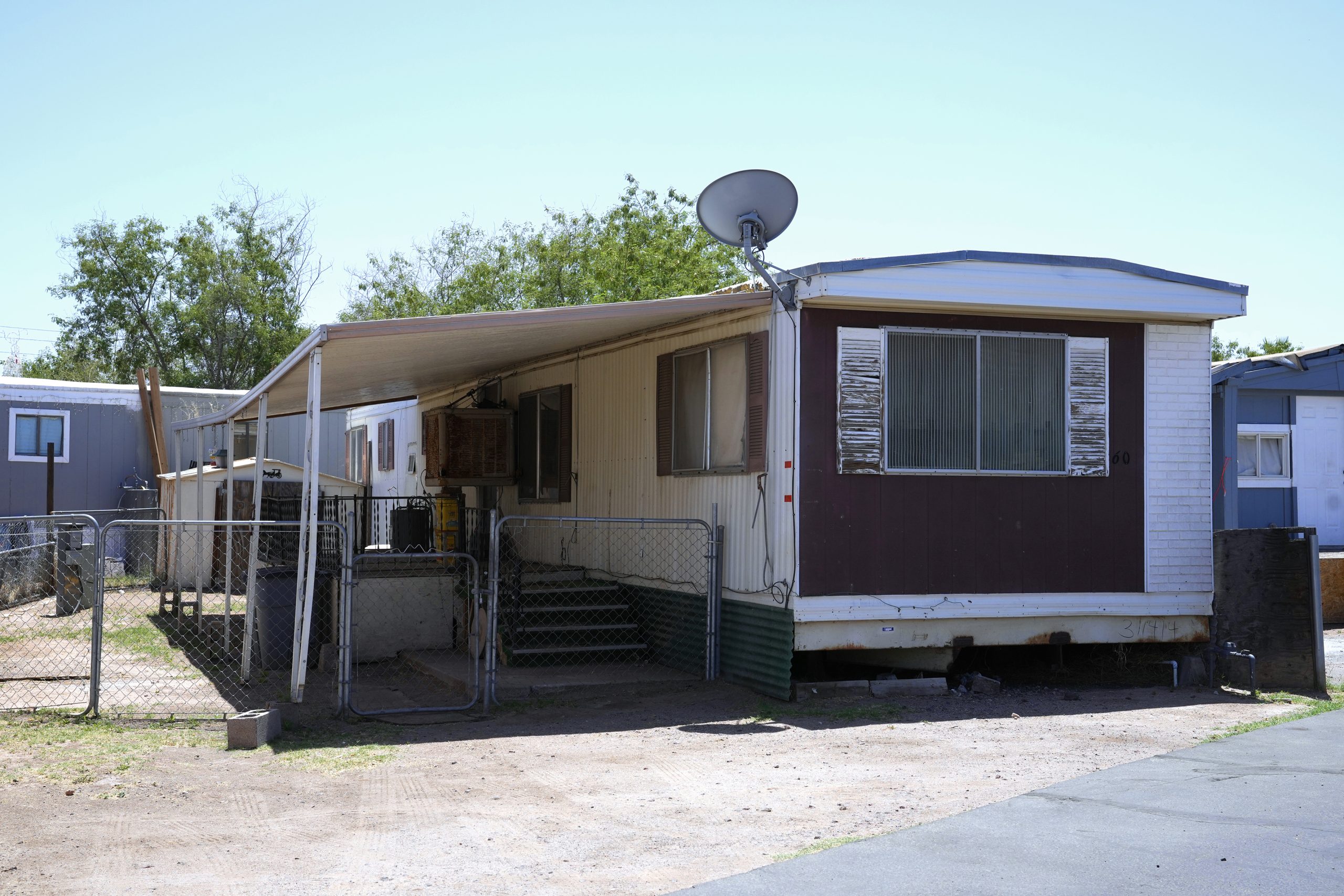
Like most high desert towns, Madras, Oregon, is no stranger to extreme temperatures. Located about 2,250 feet above sea level in a dry valley surrounded by the Cascade Range, summers can reach triple digits, and winters often drop below freezing. For residents of this rural community, homes must be equipped to handle both hot and cold weather. However, many of these homes are outdated and lack the necessary heating, ventilation, and air conditioning (HVAC) systems to provide comfort during the most extreme conditions.
Within Madras city limits, there are eight mobile home parks with 276 housing spaces total. Many of these manufactured homes were built over 50 years ago and are not designed to withstand the heat or cold that the region experiences. This was the case for Shawn King, who lived in a mobile home in Madras until 2024. She described her experience as “miserable,” especially during the summer when she had to cook meals outside on a portable stove because using the kitchen appliances indoors made the house too hot. In the winter, she used bubble wrap on the windows to prevent ice from forming.
Living in such conditions can be dangerous. During the 2021 heat dome in northwest Oregon, which resulted in over 100 deaths, an Oregonian analysis found that 20% of the victims lived in mobile home parks. Temperatures in Madras reached 109 degrees Fahrenheit during that event. According to the U.S. Department of Housing and Urban Development (HUD), manufactured and mobile homes make up 15% of the rural housing stock, compared to just 7% nationwide. This means that rural areas face even greater risks when extreme heat strikes.
The Need for Modernization
About one-fifth of all manufactured homes were built before standardized building codes were introduced in 1976. These older homes tend to be less energy efficient and may have issues like mold and other health hazards. One organization in the Pacific Northwest, Energy Trust, is working to address this issue. The nonprofit runs a manufactured home replacement program that provides funding to replace homes built before 1995 with new builds.
The program offers eligible applicants up to $16,000 to help pay for a new single or double-wide mobile home and connects them with other agencies that can provide additional funding. Energy Trust also assigns a program navigator to assist applicants through the process. Scott Leonard, a senior project manager for Energy Trust’s residential team, explained that many people combine their own capital with grants or loans to cover the cost.
Shawn and Brian King were among the beneficiaries of this program. They applied in 2023 and moved into their new home in March 2024. The total cost of the project, which included a carport and an ADA ramp, was around $120,000. Shawn used a low-interest loan from Craft3, a nonprofit financial institution, and her monthly payments are $45. “It was really affordable,” she said.
Now, Brian can move around more easily, and Shawn can cook inside year-round without worrying about the heat. They also installed a heat pump with the help of Energy Trust, which keeps their electricity bill down. “Being able to own your own home makes a big difference,” Shawn said. “It’s very uplifting to your mood and how you feel.”
The Broader Implications
While the Kings are one of the lucky few who have benefited from programs like Energy Trust’s, the majority of mobile home residents across the country are still vulnerable to extreme heat. There are an estimated 4.3 million manufactured homesites nationwide, and many of these homes are outdated and poorly equipped to handle rising temperatures. According to the Manufactured Housing Institute, only a small fraction of these homes receive the necessary upgrades.
In states like Arizona, where extreme heat has been a long-standing issue, efforts to modernize manufactured homes include programs like the Department of Energy’s Weatherization Assistance Program and the Low Income Home Energy Assistance Program (LIHEAP). However, progress is slow due to limited funding and workforce capacity. Patricia Solís, a research professor at Arizona State University, noted that only about 10,000 households per year receive weatherization assistance, far below the need.
Solís has developed a heat mitigation solutions guide to help mobile home residents prepare for extreme heat using available resources. These include using curtains, shade sails, and reflective coatings on rooftops. However, she argues that these measures are not enough. “If we want to solve the heat problem, why don’t we solve the housing problem at the same time?” she asked. New manufactured homes can be more energy-efficient than traditional homes and could offer a sustainable solution for affordable, climate-resilient housing.
Despite the potential benefits, federal support for such initiatives is uncertain. Many green energy programs funded under Biden-era laws like the Inflation Reduction Act (IRA) have been paused or are under review. Additionally, the White House’s 2026 budget proposal recommends eliminating LIHEAP, a program that mobile home residents rely on to manage heating and cooling costs.
Organizations like Energy Trust continue to work toward creating resilient housing solutions. Since its first pilot run in 2018, the organization has helped over 100 Oregon families receive new, energy-efficient homes. Eddie Sepeda, a program navigator for Energy Trust, emphasized the importance of continuing this work. “We still have a lot of work to do, but we’re ready to do it.”

Post a Comment for "Mobile Home Dwellers Endure Higher Weather Threats"
Post a Comment