
No Entry for the Rest of Us in Billionaire Enclaves
The Rise of Privatized Cities
In a world where the ultra-wealthy are increasingly seeking to insulate themselves from the general public, the concept of privatized cities is gaining traction. These developments represent a new frontier in the struggle for power and control, where the line between public and private becomes blurred. One such example is Starbase, Texas, a city that has become a symbol of this trend.
Starbase: A New Kind of Company Town
Located near Brownsville on the Gulf of Mexico, Starbase was incorporated in May and has since become a unique form of company town under the influence of Elon Musk. The city, home to about 500 residents, is primarily composed of SpaceX workers and their families. It serves as the launch site for the SpaceX Starship, a project that has been a passion for Musk, especially following his conflict with the Trump administration.
Since its incorporation, Starbase has operated in an undemocratic manner. Most voting residents, including the mayor and two out of three members of the Board of Commissioners, work for Musk and could be fired for opposing his wishes. This creates a coercive environment where the town's governance aligns more with corporate interests than public welfare.
At a recent public meeting, the proposal to install gates around the town was approved, effectively making it inaccessible to those not affiliated with Starbase. This move has sparked concerns about the exclusion of critical journalists, protesters, and others who may not align with Musk’s vision.
The Billionaire Bunker: Indian Creek Village
Another example of this trend is Indian Creek Village, a part-time home for wealthy elites like Jeff Bezos and Jared Kushner. Incorporated in 1939, this community is governed by its billionaire residents, who draft laws and shape the budget. The village is separated from Surfside by a heavily defended bridge, with access restricted to those with permission or a membership to the island’s golf club.
Security is a top priority, with a heavily funded police force patrolling the island 24/7. Their spending has increased significantly, now making up 75% of the annual budget. In 2022, an Israeli radar detection system was installed, further emphasizing the community's obsession with security.
Privatizing Cities: A Growing Trend
The trend of establishing private cities is becoming more prevalent among the tech elite. Elon Musk has his project in Starbase, while another city is in development outside of Austin. The concept of the "Network State," introduced by Balaji Srinivasan, envisions a highly aligned online community that can crowdfund territory and gain diplomatic recognition.
This movement has led to the creation of Prospera, a libertarian mecca in Honduras, where corporations can regulate themselves and citizenship can be purchased. Donald Trump has also promoted the idea of "freedom cities," aiming to reduce regulation and foster innovation.
Semiprivate Cities: A Global Phenomenon
New semiprivate cities are emerging, mainly in developing nations. These cities are built by the rich for the rich, blending public and private elements into highly secured gated communities. While they promise visions of interplanetary travel and sustainable development, their reality often falls short.
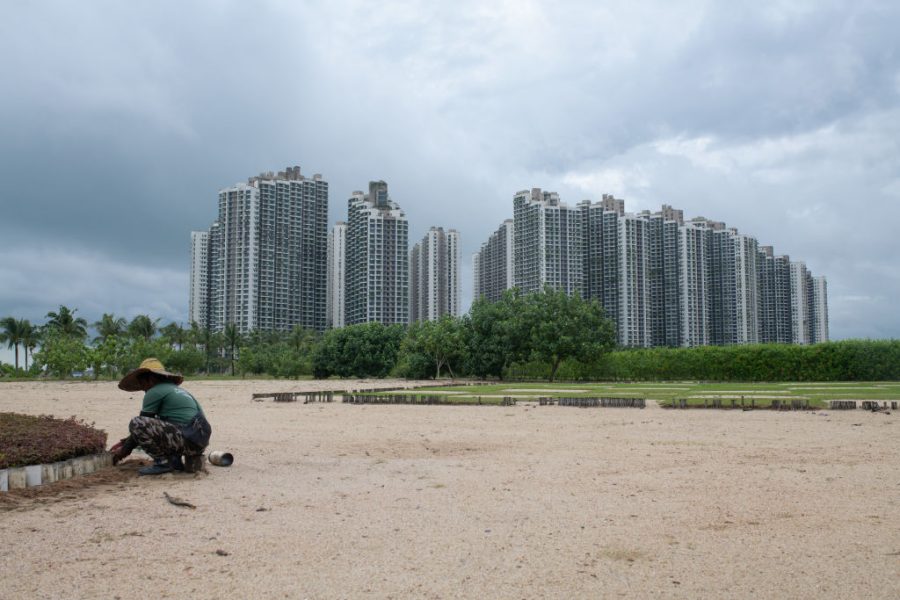
A 2023 article by researchers Sarah Moser and Nufar Avni examined Forest City, a Malaysian private municipality. Despite claims of being an eco-city, it is designed for car infrastructure and threatens the seagrass ecosystem. Like Starbase and Indian Creek, it is highly securitized, with guards having authority to remove people and electric fencing surrounding the perimeter.
The Future of Privatized Cities
As the wealth and influence of billionaires continue to grow, these semiprivate cities are poised to proliferate. The way elites govern these public-private enclaves reveals their true priorities: maintaining a clear dividing line between themselves and the working class, defended by high walls, radar detection systems, and a well-funded, heavily armed police force. This trend raises significant questions about democracy, inclusion, and the future of urban living.

Post a Comment for "No Entry for the Rest of Us in Billionaire Enclaves"
Post a Comment