
Race, crime, and media bias clash on a Charlotte light rail train
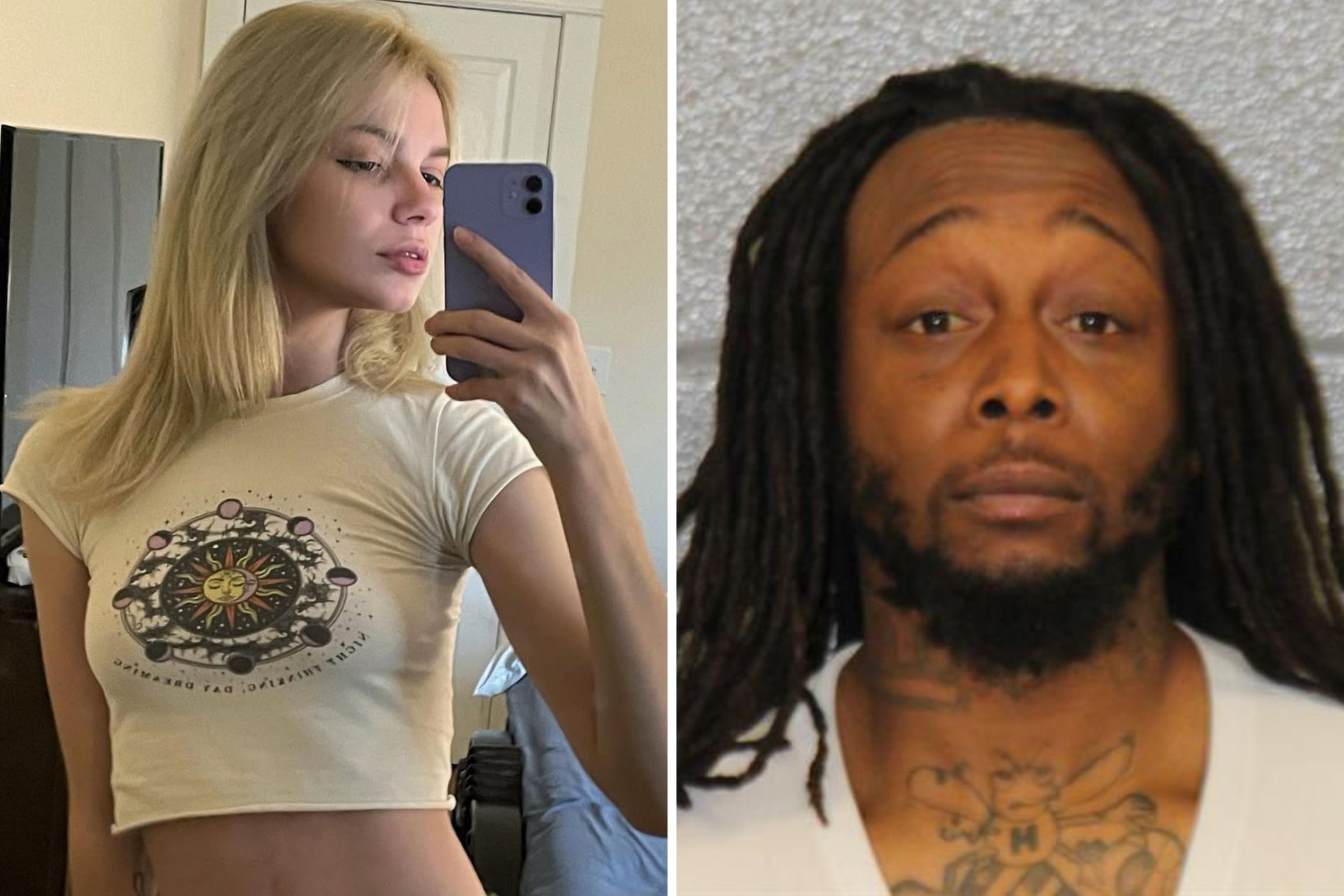
The Tragic Death of Iryna Zarutska and the Outcry on Social Media
The death of 23-year-old Iryna Zarutska, a Ukrainian refugee, has sparked intense debate and widespread attention across social media platforms. Zarutska was fatally stabbed on a Charlotte, North Carolina, light rail train by Decarlos Brown, a 34-year-old Black man. Surveillance footage, released after a delay, captured the moment she boarded the train following her shift at a pizzeria and sat in front of Brown. Minutes later, he pulled out a pocket knife and stabbed her three times, including once in the neck.
Zarutska had fled from the war in Ukraine only to be killed in what many describe as a random act of violence. The incident, which occurred on August 22, initially received little coverage from mainstream media, leading to questions about why it wasn't widely reported until Monday. This lack of immediate attention fueled discussions about media bias and the role of social media in shaping public perception.
Elon Musk and Right-Leaning Voices Amplify the Story
Elon Musk, the owner of the platform formerly known as Twitter, became one of the most vocal figures discussing the case. He posted about the murder multiple times over the weekend, comparing the media’s handling of Zarutska’s story to the coverage of George Floyd’s killing in 2020. Musk described the situation as a "Divide by zero ratio," suggesting that the media's failure to cover the story was a significant oversight.
Musk also claimed that stories like Zarutska’s are essential for exposing flaws in the justice system and warned his followers about the "magnitude of legacy media lies." Conservative voices, including British journalist Piers Morgan, echoed similar sentiments, questioning why the murder of a Ukrainian refugee didn’t receive more national attention.
Political Reactions and the "Law and Order" Narrative
Former President Donald Trump also weighed in on the incident, calling the suspect a "lunatic" and a "madman." He used the event to reinforce his "law and order" message, which has been a central theme in his recent campaign against crime in major cities. Trump's advisers suggested that this case would be a key issue in his upcoming political efforts.
Other conservative figures, such as Stephen Miller, Charlie Kirk, and Utah Senator Mike Lee, have also amplified the story online. North Carolina GOP Senate candidate Michael Whatley accused former Democratic Governor Roy Cooper of being "soft on crime," linking Brown’s release after a prior arrest to a 2020 executive order on racial profiling. Cooper’s campaign dismissed these claims as false, stating the order had no connection to Brown’s criminal history.
Criticism of Local Officials and Systemic Failures
Transportation Secretary Sean Duffy criticized Charlotte officials for failing to keep a violent repeat offender behind bars. Charlotte Mayor Vi Lyles, a Democrat, initially focused on homelessness and mental health in her statement but later named Zarutska and thanked media outlets that did not share the disturbing video. Her comments added to the growing political controversy surrounding the incident.
The case has reignited debates about race and media coverage. Musk accused The New York Times of failing to cover Zarutska’s case, calling it an "utter lie." Conservative commentators have argued that the crime fits a larger pattern of Black-on-white violence that newsrooms avoid highlighting.
A History of Criminal Activity and Mental Health Concerns
Court records show that Brown had been arrested at least 14 times since 2011, with convictions for armed robbery, larceny, and assault. He served six years in prison before being released in 2020. Within months, he was charged again for assaulting his sister. Earlier this year, Brown was ordered to undergo a competency evaluation after a bizarre 911 call in which he claimed a "man-made substance" was controlling his body. That evaluation was never completed, and he remained free until Zarutska’s killing.
Media Bias and Public Perception
Prosecutors say the stabbing appeared to be a random act, but media critics see a double standard. They note that crimes involving white offenders and Black victims—such as George Floyd’s murder in 2020 or the Daniel Penny subway vigilante case in 2023—dominate national coverage, while cases like Zarutska’s often remain local stories until amplified on social media.
Conservative commentator Benny Johnson argued, "If Iryna were Black and her killer white, the media would be rioting non-stop." However, critics of this "media blindspot" argument point out that raw interracial crime numbers can distort public perception. Richard Rosenfeld, a criminology professor, cited Bureau of Justice Statistics data showing that most crime is intraracial, with white victims reporting white offenders in the majority of cases.
The Role of Social Media and Systemic Issues
Others note that social media amplifies rare but shocking crimes, fueling racially charged narratives while diverting attention from systemic drivers such as poverty, segregation, and gaps in mental health care. A 2023 report from the Manhattan Institute highlighted how Americans overestimate the number of unarmed Black men killed by police while underestimating white victims of police killings.
Local officials have also emphasized the role of mental health assistance in Zarutska’s killing. Mecklenburg County District Attorney Spencer Merriweather stated that the case reflects systemic failures in handling mentally ill repeat offenders. North Carolina faces a shortage of psychiatric beds, with patients in crisis waiting an average of 16 days in emergency rooms before state hospital placement.

Post a Comment for "Race, crime, and media bias clash on a Charlotte light rail train"
Post a Comment