
RFK's MAHA Report Tackles Childhood Health Challenges With Mixed Solutions
Comprehensive Strategy to Improve Children's Health
The White House recently unveiled a detailed strategy aimed at addressing the multifaceted challenges that affect children's health. The 20-page document, developed by the Make America Healthy Again (MAHA) Commission, outlines over 120 proposed initiatives focused on advancing research, increasing public awareness, and fostering stronger collaborations between the public and private sectors. Despite its ambitious scope, many of the recommendations have been criticized for being too vague or lacking the concrete regulatory measures that some experts had hoped for.
Dr. Marion Nestle, an emerita professor of nutrition, food studies, and public health at New York University, expressed her concerns about the report’s lack of specificity. “The report has a lot of ideas for actions that really could improve health, but is short on specifics and weak on regulatory action,” she said in an email to ABC News. She emphasized that much of the content is centered around voluntary efforts, partnerships, and promotions, without clear policy directives.
Despite these criticisms, some of the more specific policy changes outlined in the report have received positive feedback. For instance, the pledge to define ultraprocessed foods at the federal level and to regulate the process that allows food companies to evaluate their own ingredients without third-party review has drawn praise from Dr. Dariush Mozaffarian, a cardiologist and director of the Food Is Medicine Institute at Tufts University. He described the report as comprehensive and specific, noting that if implemented, it could have a significant impact on public health. However, he also pointed out that the absence of specified funding could hinder the success of these initiatives.
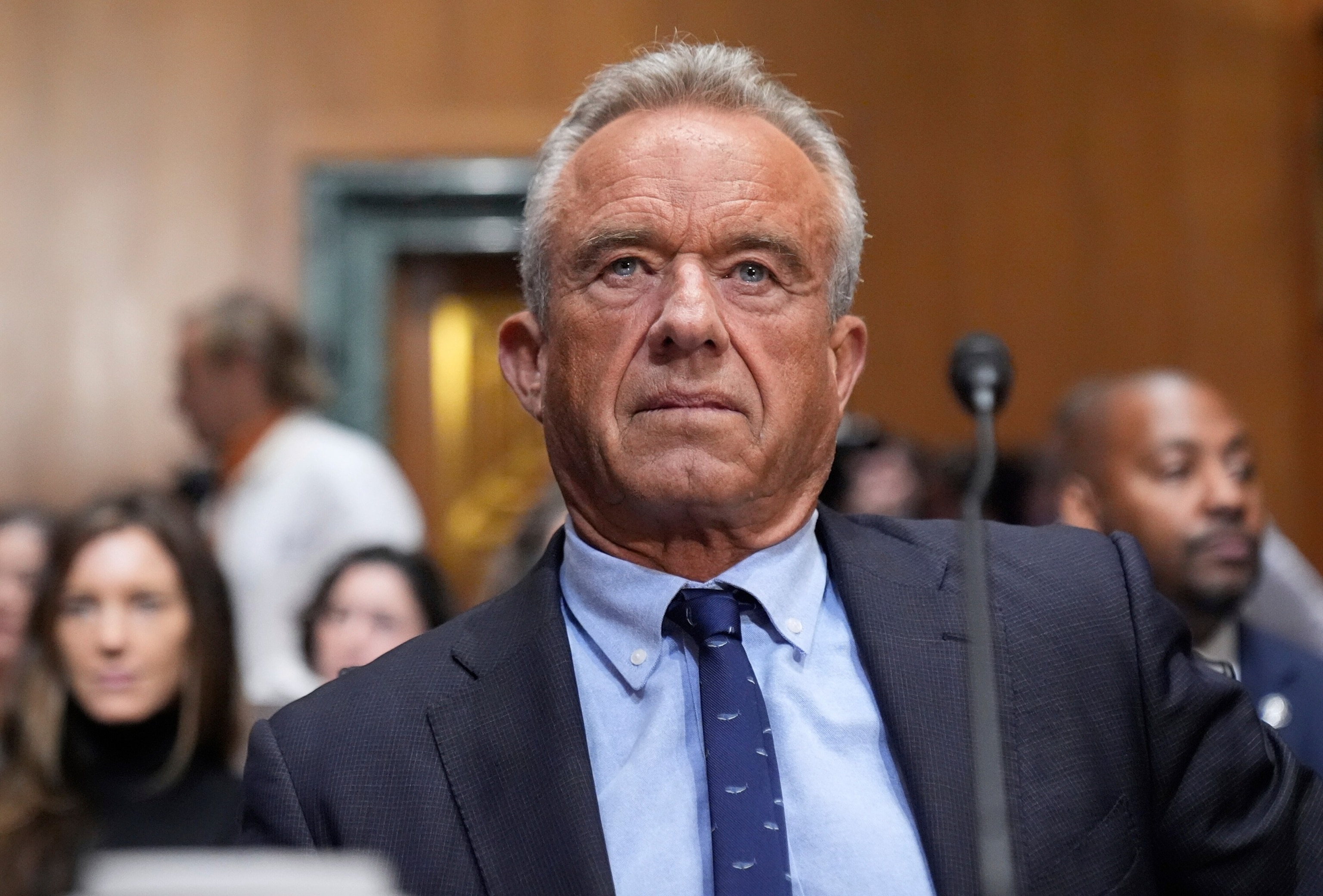
Human Services Secretary Robert F. Kennedy Jr., who chairs the MAHA Commission, addressed criticism regarding the report’s lack of detail during a Fox News interview. He stated that many of the 128 policy recommendations would be accomplished before the end of the year. “For many of them, we're already doing them,” he said. This includes efforts to eliminate synthetic dyes, reform the GRAS (Generally Recognized as Safe) loopholes, update nutrition standards for baby formula, and require medical schools to incorporate nutrition education into their curricula.
Notably, the report avoided using strong language against some of the more controversial factors that Kennedy has long associated with harming children's health, such as vaccines. While vaccines were briefly mentioned as part of a pledge to create a new vaccine injury research program at the NIH Clinical Center and to ensure scientific and medical freedom, the report did not specifically call for limiting access to particular shots. This omission comes despite Kennedy's recent actions, including firing the CDC director and replacing members of a vaccine recommendation panel with individuals who have expressed doubts about vaccines.
Pesticides, another area of concern for Kennedy, were treated more softly in the report following intense lobbying by agriculture groups. A draft of the report had previously suggested that the administration would not take strong action against pesticides. Agriculture Secretary Brooke Rollins defended pesticides, stating that they are essential for maintaining the U.S. food supply system. However, Dr. Mozaffarian noted that while the harmful effects of direct pesticide exposure are well-documented, the impact of low-level exposure through food remains less clear.
The report promised to support research into precision agricultural techniques that could reduce pesticide use while benefiting farmers financially. It also called for examining cumulative chemical exposures that may affect children. The National Corn Growers Association welcomed the report’s approach to pesticides, calling the recommendations “reasonable and science-based.” In contrast, the Center for Food Safety criticized the report for failing to offer concrete regulatory steps toward achieving the commission’s goals.
Autism was briefly mentioned in the report, with the commission pledging to study its root causes using an integrated dataset hosted by the NIH. Kennedy has promised a more extensive report on autism later this year. The report also announced the launch of an NIH Initiative on Chronic Disease, which will adopt a whole-person-health approach to address chronic illness in children. This initiative will explore topics such as the microbiome, food as medicine, micronutrients in soil, and microplastics.
In addition, the commission plans to research the connection between children's oral health and chronic disease, update nutrition requirements for infant formula, and work to increase breastfeeding rates among American mothers. These efforts reflect a broader commitment to improving the health and well-being of children across the nation.

Post a Comment for "RFK's MAHA Report Tackles Childhood Health Challenges With Mixed Solutions"
Post a Comment