
The Hidden Depths of Pro-Palestine Protests at the Vuelta a España
A History of Disruption in the Vuelta a España
The Vuelta a España, one of the most prestigious cycling races in the world, has long been known for its challenging routes and unpredictable conditions. However, this year's edition has taken disruption to an entirely new level. From the moment the race returned from Italy, it faced a series of protests that have affected nearly every stage. These demonstrations, primarily focused on the presence of the Israel-Premier Tech team, have created a unique and complex situation that has tested the resilience of both the organizers and the riders.
The Evolution of Protests in Cycling
Protests are not a new phenomenon in professional cycling. Throughout history, races have encountered various forms of external interference, ranging from road blockades to more extreme acts of sabotage. In the 1904 Tour de France, for example, rival supporters engaged in nail-strewn roads and even attempted to attack riders. Similarly, in the 1978 Vuelta a España, Basque separatists disrupted the race by rolling tree trunks down slopes, forcing the organizers to neutralize the stage. These incidents highlight how deeply political and social issues can influence sporting events.
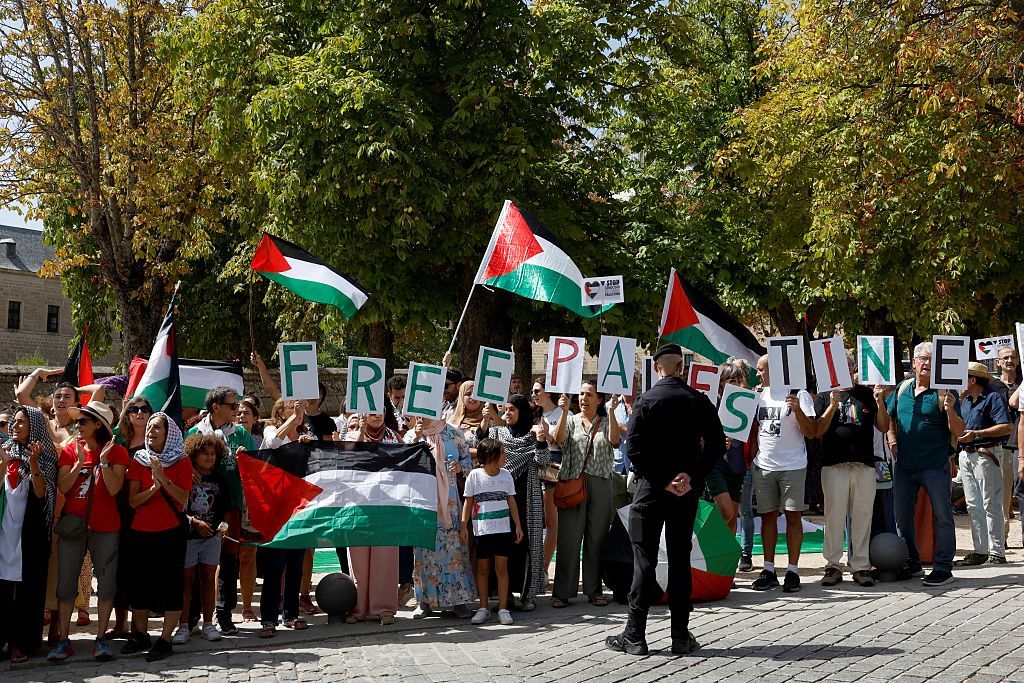
In recent years, the Vuelta has seen a resurgence of such disruptions, particularly with the pro-Palestine demonstrations that have become a central feature of this year’s race. These protests, which began in earnest after the race returned from Italy, have had a significant impact on the event. The first major blockade occurred during stage 5 in Figueres, where demonstrators attempted to stop the Israel-Premier Tech team from participating in the team time trial. This marked the beginning of a wave of protests that have continued throughout the race.
The Scale of the Current Protests
What sets this year’s protests apart is their sheer scale and persistence. Unlike previous years, when disruptions were sporadic, this edition of the Vuelta has experienced a near-constant barrage of protests. Stages 11 and 16, in particular, saw the race suspended due to the efforts of protesters, while stage 18 was significantly shortened because of security concerns. These interruptions have not only affected the race’s flow but have also raised serious questions about rider safety.
One notable incident involved Simone Petilli and Javier Romo, who were caught in crashes caused by protesters attempting to disrupt the race. Additionally, the race radio has been hacked daily to broadcast pro-Palestine songs, further highlighting the extent of the demonstrations. While many of these actions have been peaceful, the frequency and intensity of the protests have made it difficult for the organizers to maintain a consistent schedule.
Political and Social Context
The current wave of protests is rooted in a broader political and social context. Spain has seen growing support for the Palestinian cause, with a majority of the population expressing sympathy for the conflict in Gaza. This sentiment has been reflected in public opinion polls, with 78% of Spaniards supporting the recognition of Palestine. The government’s recent measures against Israel, including an arms embargo and increased humanitarian aid to Gaza, have further fueled the protests.
Moreover, the timing of the Vuelta coincided with the announcement of new policies by Prime Minister Pedro Sánchez, which added to the tension. The involvement of political figures from various parties, including calls from the hard-left Izquierda Unida coalition to remove the Israel-Premier Tech team, has further politicized the event. Even the right-wing Partido Popular has weighed in, labeling the protests as a distraction from more pressing issues.
The Future of the Vuelta
As the race approaches its final stages, the question remains: will the Vuelta be able to reach Madrid without further disruptions? Organizers have deployed over 1,200 police officers to ensure the safety of the event, but this has only intensified the political debate surrounding the race. The right-wing mayor of Madrid has vowed to take a "zero tolerance" approach to any violent protests, while Socialist officials have expressed solidarity with the Palestinian cause.
Despite the challenges, the Vuelta continues to draw attention, not just as a sporting event but as a symbol of the broader societal tensions in Spain. As the race concludes, it will be interesting to see how the organizers and participants navigate the complex landscape of protest, politics, and public opinion. For now, the Vuelta stands as a testament to the enduring power of sport to reflect and shape the world around it.

Post a Comment for "The Hidden Depths of Pro-Palestine Protests at the Vuelta a España"
Post a Comment