
The Hidden Warning Sign of a Potential School Shooter: Obsession with Mass Killers
The Fascination with Mass Shooters: A Pattern in Violence
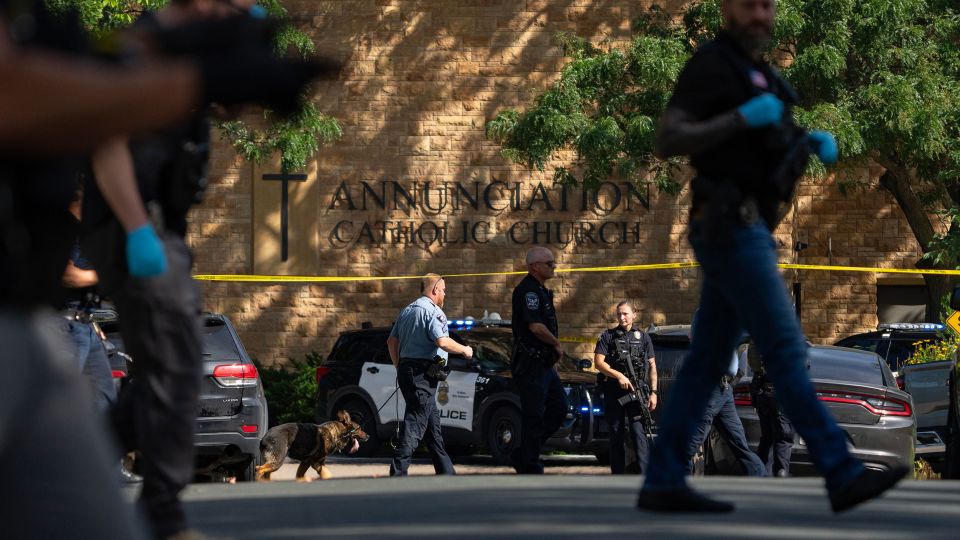
The tragic shooting at the Annunciation Catholic Church has revealed a disturbing pattern among mass shooters: a deep fascination with previous attacks and their perpetrators. According to a journal written by the shooter, they were “morbidly obsessed” with mass shootings and had a “deep fascination” with figures like the Sandy Hook school shooter. This obsession was not just passive; it was active and intentional.
In the journal, the shooter scrawled the names of other mass killers, including the Unabomber, the Columbine attackers, and the Tree of Life synagogue shooter. Their goal, as stated, was to “honor past killers.” This behavior is not unique to this case. Experts have long noted that many mass shooters exhibit a similar fixation on other violent acts and their perpetrators.
Understanding the Motivation Behind the Obsession
Minneapolis Police Chief Brian O’Hara described the shooter’s mindset as a “deranged fascination with previous mass shootings.” He emphasized that this is a common trait among many mass shooters in the United States and around the world. According to Peter Langman, a psychologist who has studied school shooters extensively, this fascination often stems from a need to feel understood, to find role models, and to be part of a community.
For individuals considering violence, this obsession can serve as a form of validation. They look for role models to justify their own violent impulses. “They’re drawn to that,” Langman said. “It’s a case of identifying people who are just like them.”
This desire for connection is often rooted in a sense of isolation. Many shooters feel powerless and insignificant, and they seek to gain power and significance through violence. As Langman explained, “These are people who feel powerless and insignificant, and they want to feel powerful and significant, and they want to make a name for themselves.”
The Role of Online Communities and Media
The fascination with mass shooters is not limited to personal journals. Many shooters engage with online communities that discuss or even romanticize these acts. For example, the Columbine attackers have become a source of obsession for some. A subculture known as “Columbiners” idealizes the shooters, creating memes, fashion choices, and music that celebrate their actions.
Similarly, the Sandy Hook shooter was part of an online community of mass murder enthusiasts before the attack. These communities often operate in unmoderated and anonymous spaces, making it difficult for parents and educators to monitor what children are exposed to.
Experts like James Densley, a professor of criminology at Metro State University, warn that an unhealthy obsession with mass shooters is a serious red flag. “A healthy child should not be fascinated with these things,” he said. Parents and educators are encouraged to be more aware of the online spaces their children frequent and to educate themselves about how these platforms work.
The Importance of Recognizing Warning Signs
Another key aspect of preventing mass shootings is recognizing warning signs, known as “leakage.” This can include conversations with peers, school assignments, online behavior, or interactions with family members. Langman noted that many school shooters confide in others or drop hints about their plans.
In the case of the Annunciation shooter, the journal revealed that the individual had previously dropped “a few warning signs to a few people.” It also mentioned an incident in seventh grade where the shooter was suspended after discussing school shootings with classmates. While the exact nature of the warnings is unclear, experts believe that such disclosures are critical for early intervention.
Addressing the Issue
To combat this growing problem, experts recommend several steps. First, media outlets should follow “No Notoriety” guidelines to avoid glorifying mass shooters. However, with the rise of social media and anonymous forums, this challenge is becoming increasingly complex.
Parents and educators must also take an active role in monitoring online activity and fostering open communication with children. By understanding the psychology behind these obsessions and recognizing the warning signs, society can better prevent future tragedies.
Ultimately, the path to preventing mass shootings lies in education, awareness, and proactive intervention. By addressing the root causes of this fascination, we can create safer environments for all.

Post a Comment for "The Hidden Warning Sign of a Potential School Shooter: Obsession with Mass Killers"
Post a Comment