
The most affordable way to end animal cruelty
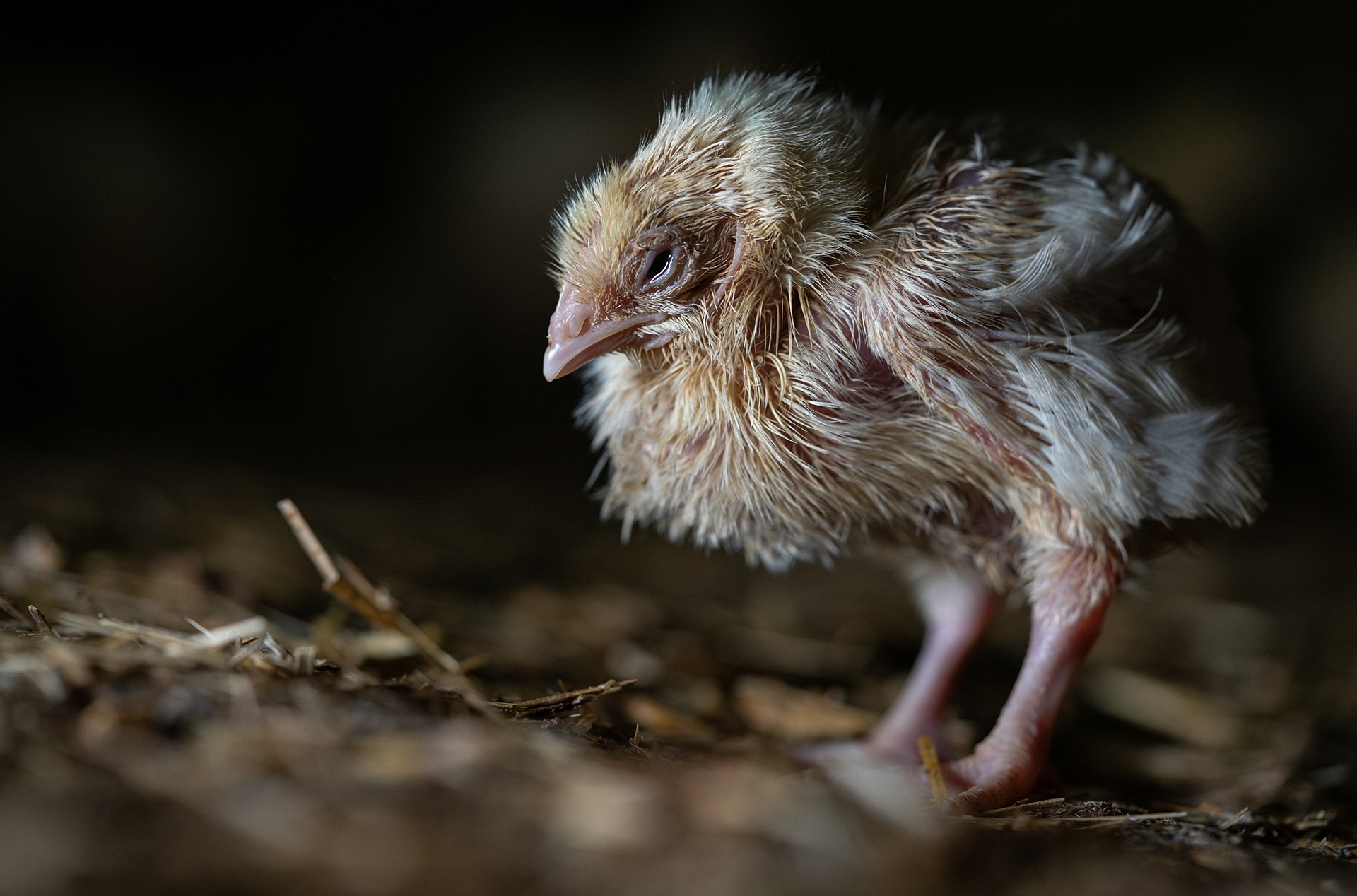
The Hidden Cost of Chicken Production
A recent commentary paper published in the journal Nature Food highlights a shocking reality: the extreme suffering experienced by chickens raised for meat can be significantly reduced at an incredibly low cost. According to researchers, preventing this suffering could cost just a few pennies per hour. This revelation raises important questions about the ethical and economic implications of modern chicken farming.
Over the past 75 years, chickens have been selectively bred to grow larger and faster than ever before. This rapid growth has made chicken the most affordable and widely available meat in the United States, where over 9 billion birds are raised and slaughtered annually. However, this progress has come at a steep price—chickens now suffer from a range of health issues, including heat stress, heart failure, and lameness. These conditions can be so severe that some chickens die from dehydration or starvation because they are too weak to move.
This form of animal suffering is arguably the largest instance of systematized cruelty humans have ever created. Despite the scale and severity of these issues, animal welfare has often been overlooked in food policy discussions. A nonprofit organization called the Welfare Footprint Institute (WFI) aims to change this by quantifying the cost of preventing animal pain.
Measuring Animal Pain
The WFI conducts research to understand how animals are bred, raised, and treated in various farming systems. By analyzing the prevalence and frequency of problems like injury and disease, the group estimates the number of hours each animal experiences different types of pain. Their findings reveal that the average factory-farmed chicken endures:
- 50 hours of disabling pain – severe enough to limit normal activities
- 334 hours of hurtful pain – moderate distress
- 325 hours of annoying pain – mild but distracting discomfort
- 30 seconds of excruciating pain – overwhelming and all-consuming
In total, this adds up to around 700 hours of pain over the course of a chicken’s short life, which lasts approximately 1,100 hours or 45 days. Much of this pain occurs during waking hours, raising serious concerns about the quality of life for these animals.
A Simple Solution?
One potential solution proposed by the WFI and its collaborators is switching to slower-growing chicken breeds. These breeds are known to experience fewer health issues, such as lameness, heart and lung disease, and heat stress. They also tend to live longer and have better overall welfare.
The Better Chicken Commitment, a set of reforms supported by animal welfare groups, encourages the adoption of slower-growing breeds along with other improvements, such as providing more space for chickens and using more humane slaughter methods. According to the WFI, chickens raised under these standards suffer about 33 fewer hours of disabling and excruciating pain compared to conventional fast-growing breeds.
However, poultry companies have resisted this shift due to the higher costs associated with raising slower-growing chickens. These birds take about two weeks longer to reach their slaughter weight, which increases production costs. Despite this, the WFI argues that the cost of preventing pain is minimal. Their analysis suggests that switching to slower-growing breeds could prevent at least 15 to 100 hours of severe pain at a rate of 45 cents per pound for producers.
Environmental Concerns and Trade-offs
While the benefits for animal welfare are clear, there are also environmental concerns. The National Chicken Council, the industry’s leading trade group, has argued against using slower-growing breeds on both economic and environmental grounds. They claim that meeting current chicken demand with slower-growing breeds would require raising significantly more birds, increasing land use, pesticide use, and greenhouse gas emissions.
A 2022 study found a 16% increase in emissions when using slower-growing breeds, while a trial by Perdue Farms reported a 9% to 13.4% increase. A European chicken industry group estimated a 24% rise in the climate footprint when paired with other welfare reforms.
These findings highlight a difficult trade-off: Is it better to farm fewer chickens who suffer greatly, or more chickens who each experience less suffering? Most animal advocates and some environmentalists suggest a “less but better” approach, encouraging people to eat less meat overall and treat each animal with greater care.
A New Perspective
The WFI’s research challenges the notion that environmental considerations alone justify the intensification of animal production. While the environmental impact of slower-growing breeds may vary, the severe welfare harms caused by fast-growing breeds are undeniable. As Cleo Verkuijl, a co-author of the Nature Food paper, noted, finding the optimal balance between animal welfare and environmental sustainability is rarely straightforward.
Nonetheless, the WFI’s work provides a new framework for businesses and policymakers to consider animal suffering alongside other factors. By accounting for the true cost of animal pain, we can make more informed and humane decisions about how we produce and consume food.

Post a Comment for "The most affordable way to end animal cruelty"
Post a Comment