
Tourniquets, Gray-Zone Tactics, and Secrecy: An 8-Hour Course for Taiwanese Survival Amid Chinese Threats
The Rise of Civilian Preparedness in Taiwan
In recent years, a growing number of civilians in Taiwan have turned to non-governmental organizations (NGOs) for training on how to survive potential conflicts and disinformation. One such organization, Kuma Academy, has gained attention for its efforts to prepare Taiwanese citizens for the unthinkable—what happens if China invades? With over 80,000 trainees, Kuma has become a key player in the country’s grassroots defense movement.
A Unique Approach to Civil Defense
Kuma Academy's approach is distinct from traditional civil defense units, which often skew older and male. Instead, the majority of its trainees are women, many of whom are mothers preparing their families for potential crises. This shift reflects a broader change in how civilians are engaging with national security issues.
The academy offers a range of courses, including first aid, digital security planning, and disinformation resilience. Its branding is playful and approachable, featuring a black cartoon bear holding a rifle and merchandise adorned with woodland creatures. Despite this lighthearted image, the content of the training is serious and practical.
Training for the Unthinkable
As tensions between Taiwan and China continue to rise, Kuma Academy has become a focal point for those seeking knowledge on how to respond to various threats. The training sessions cover topics such as "gray-zone" tactics—strategies that aim to divide people and erode trust without direct conflict. These include warnings about fake news spreading through messaging apps like WeChat and Line.
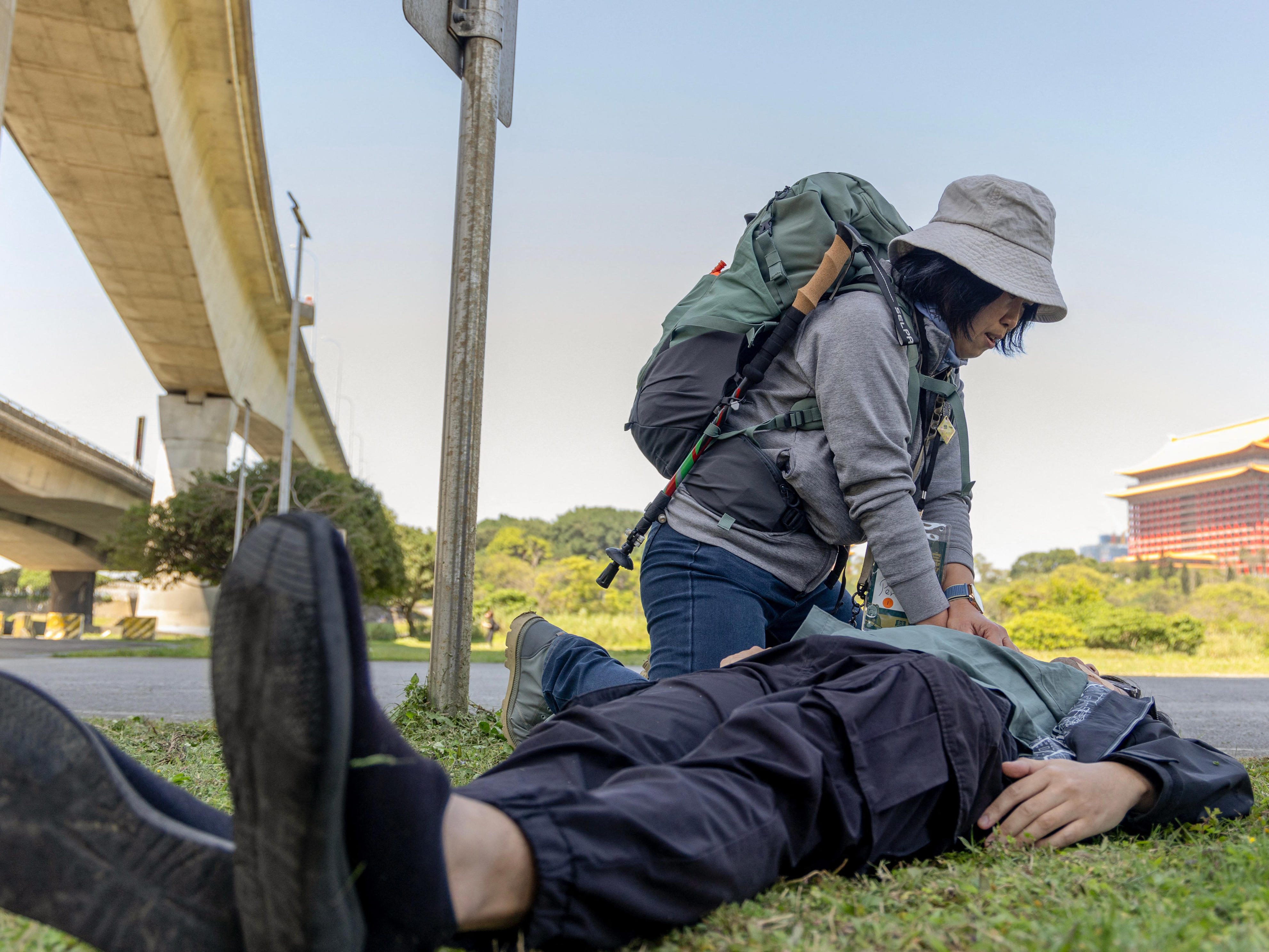
Participants also engage in hands-on exercises, such as treating wounds and practicing self-defense techniques. During one session, attendees applied tourniquets to their own arms to simulate stopping severe bleeding. Another exercise involved learning how to move an injured person using proper techniques.
Political Tensions and Public Concerns
Despite its focus on civilian preparedness, Kuma Academy has not gone unnoticed by Beijing. The Chinese government has sanctioned the organization and its founder, Puma Shen, accusing them of promoting separatism. This has led to increased scrutiny and threats against the academy’s staff and supporters.
The rising pressure from Beijing, combined with U.S. statements about China preparing for war by 2027, has heightened concerns among some Taiwanese citizens. Many feel the need to be prepared both practically and psychologically. Celine Chen, a translator who attended a Kuma course, expressed her worries about the increasing frequency of Chinese military exercises around Taiwan.
A Diverse Perspective on Risk
While some individuals are taking steps to prepare for potential conflict, analysts suggest that the risk of an imminent invasion remains low. Reports indicate that most Taiwanese citizens do not view the threat as immediate, despite the escalating military activities.
Dale Buckner, a retired U.S. Army colonel and CEO of Global Guardian, noted that civilian preparedness efforts send a clear message to both allies and adversaries that Taiwan is committed to its defense. A survey conducted by a Taiwanese military think tank found that 65% of respondents believed it was unlikely that China would attack Taiwan in the next five years.
Living with Uncertainty
For many Taiwanese, the possibility of war remains a constant undercurrent in their daily lives. Since 1949, when the Nationalist government retreated to the island after losing the Chinese Civil War, Taiwan has existed in a state of limbo. Without a formal peace treaty or armistice, the island continues to navigate an uneasy status quo.
Despite the uncertainty, many residents find ways to cope. Tseng Chih Wei, a performance artist in Taipei, shared his perspective on the situation. While he acknowledges the news of rising tensions, he notes that life in Taiwan still feels normal, with everyday concerns like cost of living and job stress taking precedence.
Preparing for the Future
For those like Chen, the training provided by Kuma Academy offers valuable guidance on evacuation planning, building a go-bag, and stockpiling essential supplies. However, she admits that her family does not share the same sense of urgency. As the situation evolves, the question remains: will the preparations made today prove necessary, or will they remain a precaution for a future that may never come?

Post a Comment for "Tourniquets, Gray-Zone Tactics, and Secrecy: An 8-Hour Course for Taiwanese Survival Amid Chinese Threats"
Post a Comment