
U.N. Authorizes Military Force to Confront Haiti's Gangs
A New Approach to Security in Haiti
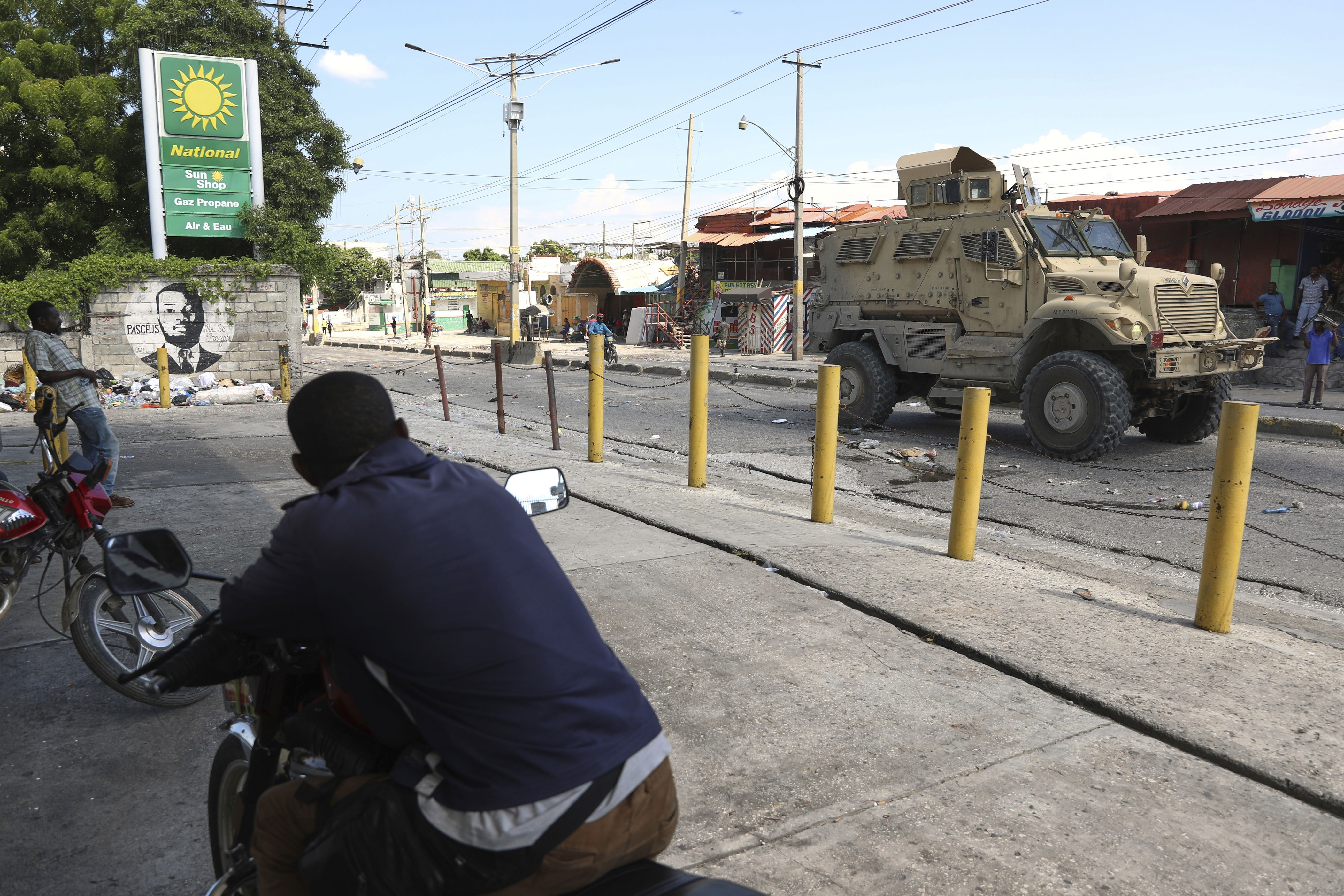
The United Nations Security Council has taken a significant step towards addressing the ongoing security crisis in Haiti. On Tuesday, the council agreed to replace the current international police mission with a more robust and militarized force aimed at combating armed gangs and facilitating the country’s first presidential and legislative elections in nearly a decade. This decision marks a shift from the previous approach, which many now view as insufficient.
The resolution, proposed by the United States and Panama, outlines the establishment of a “gang suppression force” comprising 5,500 military, police, and civilian personnel. This force is significantly larger than the current multinational security support mission (MSS), which was led by Kenya. The new force will operate independently of the Haitian police and army, allowing it to make arrests without direct oversight. A U.N. office in Haiti will provide logistical and administrative support to ensure the mission's functionality.
The primary objective of this force is to conduct intelligence-led, targeted counter-gang operations that aim to neutralize, isolate, and deter gangs threatening the civilian population. These efforts will also focus on securing critical infrastructure such as ports and schools. However, despite these plans, several key questions remain about the deployment, including when the force will be deployed, which countries may participate, and the rules of engagement. Additionally, an exit strategy for the mission is yet to be determined.
Analysts have raised concerns about the potential challenges facing the new force, particularly regarding funding and resources. Human Rights Watch emphasized the importance of predictable and sustained funding to prevent the same issues that hindered the current mission. They highlighted the need for binding commitments from troop-contributing countries to ensure the mission's success.
Haitian Prime Minister Alix Didier Fils-Aimé welcomed the initiative, stating that it represents a strategic lever to curb gang violence and protect the population. The resolution passed with the support of 12 out of 15 Security Council members, including the United States, while Russia, China, and Pakistan abstained.
U.S. Ambassador Michael Waltz acknowledged the MSS's role in preventing the complete collapse of the Haitian state but noted its lack of resources. He expressed hope that the new resolution would address these shortcomings. In contrast, Russia’s representative, Vasily Nebenzya, criticized the resolution, arguing that stability in Haiti requires addressing the flow of illegal firearms and strengthening local institutions. He warned that the new mission could face similar challenges as previous efforts.
Gangs have gained control of 90% of Port-au-Prince, according to the U.N., and are expanding into rural areas. The violence has resulted in over 3,100 deaths in the first half of the year, displacing at least 1.3 million people. Laurent Saint-Cyr, who leads the council overseeing the government, described Haiti as a "modern-day Guernica," highlighting the severity of the humanitarian crisis.
The killing of President Jovenel Moïse created a power vacuum that has been largely filled by gangs. In 2022, then-Prime Minister Ariel Henry appealed for an international force to support the overwhelmed police. Despite initial resistance due to the troubled history of foreign interventions, the situation became dire enough that many Haitians and human rights groups saw no alternative.
The Biden administration proposed the MSS, but struggled to find a willing leader. Kenya eventually agreed, aligning with its commitment to Pan Africanism. However, the mission faced significant challenges, including underfunding, lack of equipment, and low personnel numbers. Kenyan President William Ruto highlighted the difficulties, noting that the mission operated below 40% of its authorized strength.
The new gang-suppression force faces similar challenges, with contributions remaining voluntary. U.S. officials expressed confidence in securing sufficient personnel, emphasizing that the mission will include both military and police forces. However, China’s ambassador, Fu Cong, criticized the resolution for being ambiguous on critical issues and questioned whether the new force would avoid repeating past mistakes.
As the international community prepares for the deployment of this new force, the challenge remains to ensure that it addresses the root causes of instability in Haiti while avoiding the pitfalls of previous missions.

Post a Comment for "U.N. Authorizes Military Force to Confront Haiti's Gangs"
Post a Comment