
What You Need to Know About the National Museum of African American History and Culture
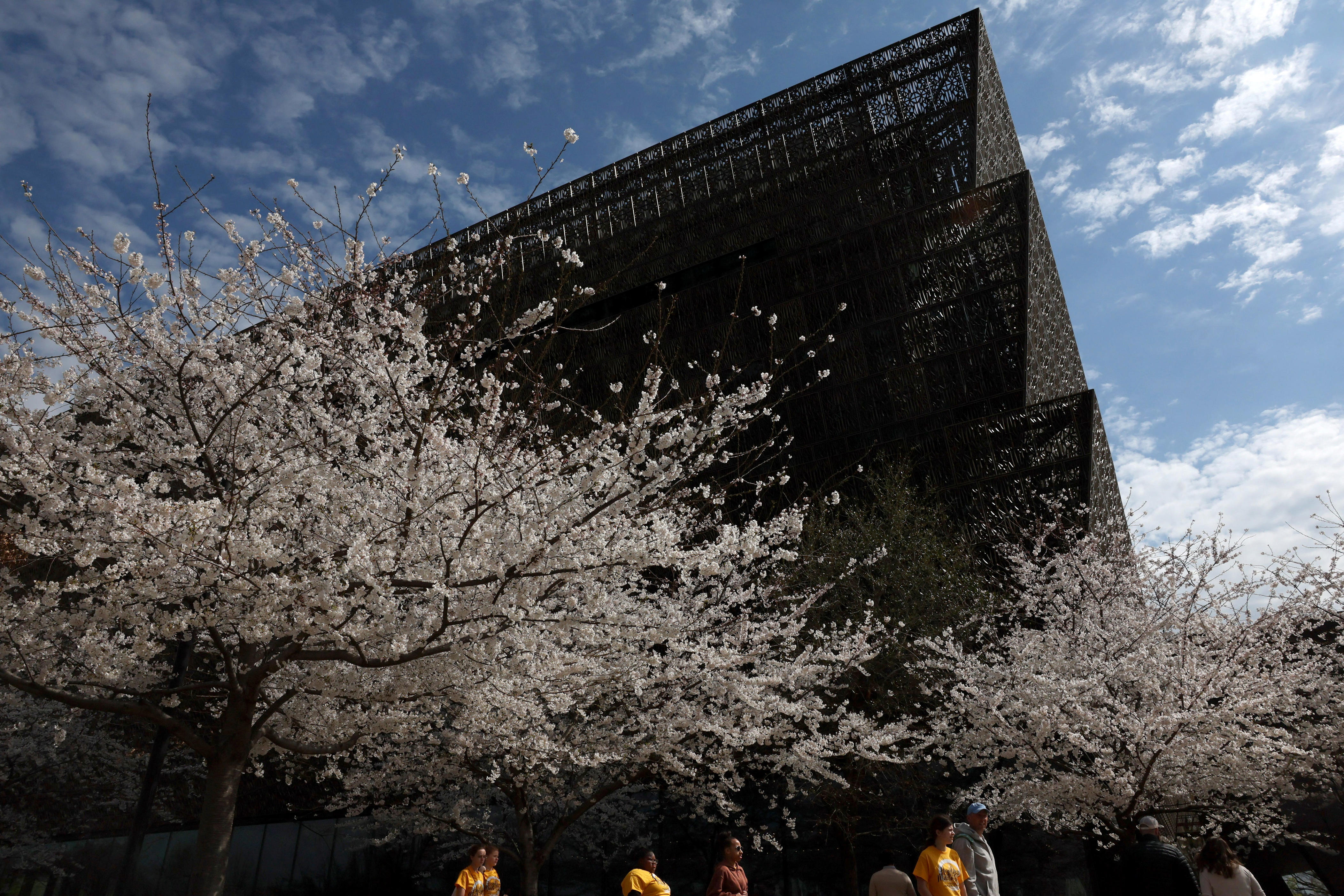
The National Museum of African American History and Culture Faces Scrutiny
The National Museum of African American History and Culture, a prominent institution in Washington, D.C., has found itself at the center of controversy involving the White House. This museum, which once drew praise from former President Donald Trump, is now under review as part of an executive order aimed at redefining how American history is presented.
The museum was one of several Smithsonian facilities targeted in Trump's initiative to "restore truth and sanity to American history." As part of this effort, the museum's exhibits and programming are being examined ahead of the nation's 250th anniversary next year. This scrutiny has led to significant changes, including the resignation of the museum’s director and the occurrence of large public demonstrations on its grounds. Protesters have gathered in support of the museum, urging the administration to leave it untouched.
In August, Trump expressed his views on social media, suggesting that the Smithsonian focuses too much on the negative aspects of slavery and not enough on success. He used a controversial graphic from the museum's "Talking About Race" portal as an example. This graphic, which discussed aspects of white culture, faced backlash from conservatives and was eventually removed, with the museum issuing an apology.
Despite these criticisms, the museum has a long and storied history. It opened on September 24, 2016, with a grand ceremony attended by numerous notable figures, including President Barack Obama. During the event, Obama emphasized the importance of African American history within the broader American narrative, stating that it is central to the country's story.
A Long-Awaited Vision
The idea for the museum was first proposed in 2003 when Congress and President George W. Bush authorized its construction. Advocates had been pushing for such a facility for decades, seeking to create a space dedicated to the experiences and history of African Americans in the nation's capital.
Unlike many other museums, the National Museum of African American History and Culture had to build its collection from scratch. A team from the Smithsonian traveled across the country, collecting items donated by ordinary people. Many of the artifacts displayed today, such as Harriet Tubman's shawl and Nat Turner's Bible, were acquired through this process.
Located on five acres of land near the Washington Monument, the museum is a sprawling 10-story building with approximately 105,000 square feet of exhibition space. In 2024, it welcomed over 1.6 million visitors, highlighting its significance as a cultural and educational hub.
Exhibits and Experiences
The museum's permanent galleries trace six centuries of African American history, from the arrival of enslaved Africans in the early 1500s to the election of President Barack Obama. The exhibits are designed to provide a comprehensive view of the struggles and triumphs of Black Americans.
On the lower floors, the atmosphere is somber as visitors navigate dimly lit corridors that depict the harsh realities of slavery. These spaces include renderings of enslaved Africans aboard slave ships and descriptions of their conditions in colonial North America. The museum also highlights the evolution of slavery laws and their impact on the concept of race.
One of the most poignant exhibits features a statue of Thomas Jefferson flanked by bricks engraved with the names of the slaves he owned. The museum emphasizes the tension between slavery and freedom, noting that this paradox continues to shape American institutions.
As visitors move through the galleries, they can experience various historical moments, including sitting at a lunch counter protest and exploring a segregation-era railway car. A room dedicated to the memory of Emmett Till, a 14-year-old boy who was lynched in Mississippi in 1955, serves as a powerful reminder of the injustices faced by African Americans.
Cultural Highlights
The upper floors of the museum showcase African American culture and contributions to various fields, including music, literature, technology, and the military. These spaces are filled with vibrant memorabilia, such as Muhammad Ali's headgear, Jackie Robinson's jersey, and Chuck Berry's cherry red Cadillac Eldorado.
Visitors have described the museum as "truthful" and "all-encompassing," appreciating its honest portrayal of history without sugarcoating the atrocities of slavery and segregation. They also note the presence of examples of success, hope, and prosperity throughout the exhibits.
Chris Bradshaw, a visitor who recently visited the museum, praised its honesty, emphasizing that the foundation of the country lies in its history of slavery. Eugene Lucas, another visitor, highlighted the museum's comprehensive nature, including a section on the Harlem Hellfighters, a regiment of Black Army infantrymen.
The museum stands as a testament to the resilience and contributions of African Americans, offering a space for reflection, education, and celebration of culture. Its continued existence and the ongoing dialogue around its exhibits underscore its importance in the American narrative.

Post a Comment for "What You Need to Know About the National Museum of African American History and Culture"
Post a Comment