
Would You Leave Your Pet Behind? The Dangers of Air Travel for Animals
Understanding the Challenges of Traveling with a Service Animal
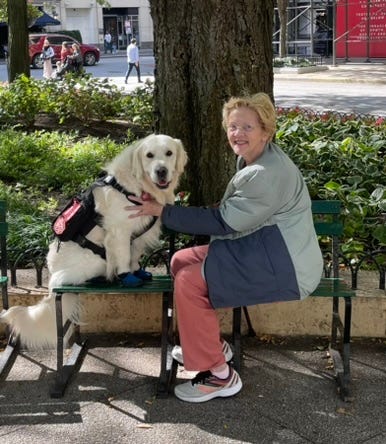
Nancy Rosenthal, a traveler who relies on her service dog, Jamie, for mobility support, recently found herself questioning how she would handle an emergency situation during air travel. A video of passengers evacuating an American Airlines jet left her wondering about the safety of her dog in such scenarios. This concern marked the first time she had considered what might happen to Jamie during an airplane emergency.
“It dawned on me, holy smokes, what would I ever do with this big giant dog I travel with?” she shared. “It doesn’t look like you just step onto the slide.”
While airplane evacuations are rare, they can be especially challenging for individuals with disabilities or reduced mobility. Rosenthal has not received clear guidance from airlines on how to handle an evacuation involving her service dog. She has asked flight attendants on multiple flights, but each time, she received different answers. Some suggested picking up the dog like a child and jumping, while others advised leaving it behind. One flight attendant even offered the advice to hope that someone nearby would be willing to help.
The Training Behind Service Animals
Service animals don't require specific training certification to travel, according to the Department of Transportation. However, most undergo extensive training to perform their tasks effectively. Kiera Mejia, director of sales and marketing for The ARK at JFK, explained that trained service animals are typically calm and accustomed to various situations as part of their training.
Rosenthal’s service dog, Jamie, underwent four weeks of professional training with Gravitas Golden Retrievers in Fresno, California. This training included walking attentively on a leash, ignoring distractions, and remaining neutral around children and other animals. Additionally, Jamie learned to settle himself in public settings.
To prepare for their first flight, Rosenthal brought Jamie to the airport multiple times to help him acclimate further. Despite this, she hasn’t had the chance to practice evacuation procedures with him.
Tips for Traveling Safely with a Pet or Service Animal
Whether traveling with a service animal or a pet, maintaining calm is crucial, according to Mejia. If the owner becomes stressed, the animal may sense the change in mood and become stressed as well. It's important for pet owners and service animals alike to ensure their pets are well-behaved and comfortable in unfamiliar environments before bringing them on a plane.
Under the Air Carriers Access Act (ACAA), U.S. airlines must allow service animals to travel in the cabin at the owner’s feet or on the owner’s lap, regardless of size. The ACAA does not require airlines to provide service animals with their own seat, nor does it permit them to sit in exit rows or block the aisle during a flight.
Mejia also noted that flight delays or diversions can be stressful for animals. She recommends packing extra food and water, and ensuring vaccine records are accessible in case of unexpected changes in travel plans.
Preparing for an Emergency Evacuation
If an evacuation becomes necessary, Mejia advises remaining calm for your pet or service animal and bringing them with you when leaving the plane. Rosenthal usually checks with the flight attendant about what to do with her dog in an emergency before takeoff.
Mejia suggests that passengers traveling with pets or service animals should communicate their needs clearly, especially during emergencies. For instance, if a pet is going down the slide, asking for a blanket could be helpful. She also recommends identifying a passenger who might be willing and able to assist in bringing the pet down the slide.
The Growing Need for Clear Guidelines
As more people travel with service animals, Rosenthal believes the issue will become increasingly significant. She emphasizes that service animals are more than just family members—they are essential for many individuals’ daily lives.
With the aging U.S. population, the number of service animals is on the rise. Rosenthal, a retired nurse, is particularly aware of this trend and sees more service animals than ever when she flies.
The need for clear guidelines and better communication between airlines and travelers with service animals is evident. As the travel industry continues to evolve, addressing these concerns will be critical in ensuring the safety and comfort of all passengers, including those with service animals.

Post a Comment for "Would You Leave Your Pet Behind? The Dangers of Air Travel for Animals"
Post a Comment