
Your Stove Isn't the Only Air Polluter—Here Are 6 Hidden Sources
Understanding Indoor Air Quality and Hidden Pollutants
Many people believe that their indoor air is clean if they live away from wildfire smoke zones, smoggy cities, or other sources of outdoor pollution. However, this assumption may be incorrect. Experts suggest that indoor air can often be more polluted than outdoor air, leading to a range of health issues. According to Michael Rubino, founder of HomeCleanse and chairman of Change the Air Foundation, "Unfortunately, our indoor air is not as healthy as you may think." He emphasizes that factors many homeowners overlook can significantly impact air quality.
Dr. James Langer, a Materials Science Engineer and CEO of Colorfil, explains that "Indoor air can be five times or more polluted than outdoor air, which can lead to an array of negative health consequences ranging from headaches to chronic allergies, asthma, or even cancer." Importantly, these issues can affect anyone, regardless of where they live, as the primary sources of indoor air pollution come from within the home itself.
Common Sources of Indoor Air Pollution
There are several surprising elements inside your home that can contribute to poor air quality. Here are some key areas to consider:
-
Cooking
Cooking is one of the top contributors to indoor air pollution. Whether using a gas or electric stove, high-heat cooking, especially over open flames, releases particulate matter that can be harmful when inhaled. Glory Dolphin Hammes, CEO of IQAir North America, states, "The No. 1 contributor to indoor air pollution is definitely cooking." Using induction cooktops and installing true exhaust fans can help reduce these pollutants. Simply opening a window can also make a difference. -
HVAC System
The HVAC system, designed to circulate air, can also recirculate pollutants if not properly maintained. Rubino notes that "the push for net-zero energy efficiency has led to more tightly built buildings with minimal airflow between indoor and outdoor environments." Regular maintenance, including servicing twice a year and upgrading to higher-rated MERV filters, can improve air quality. -
Cleaning Supplies
While keeping a clean house is important, some cleaning products can introduce harmful chemicals into the air. These products often contain volatile organic compounds (VOCs), which can cause nausea and other health issues. Langer suggests using low/no-fragrance cleaning products and wiping surfaces with a damp cloth to minimize exposure. -
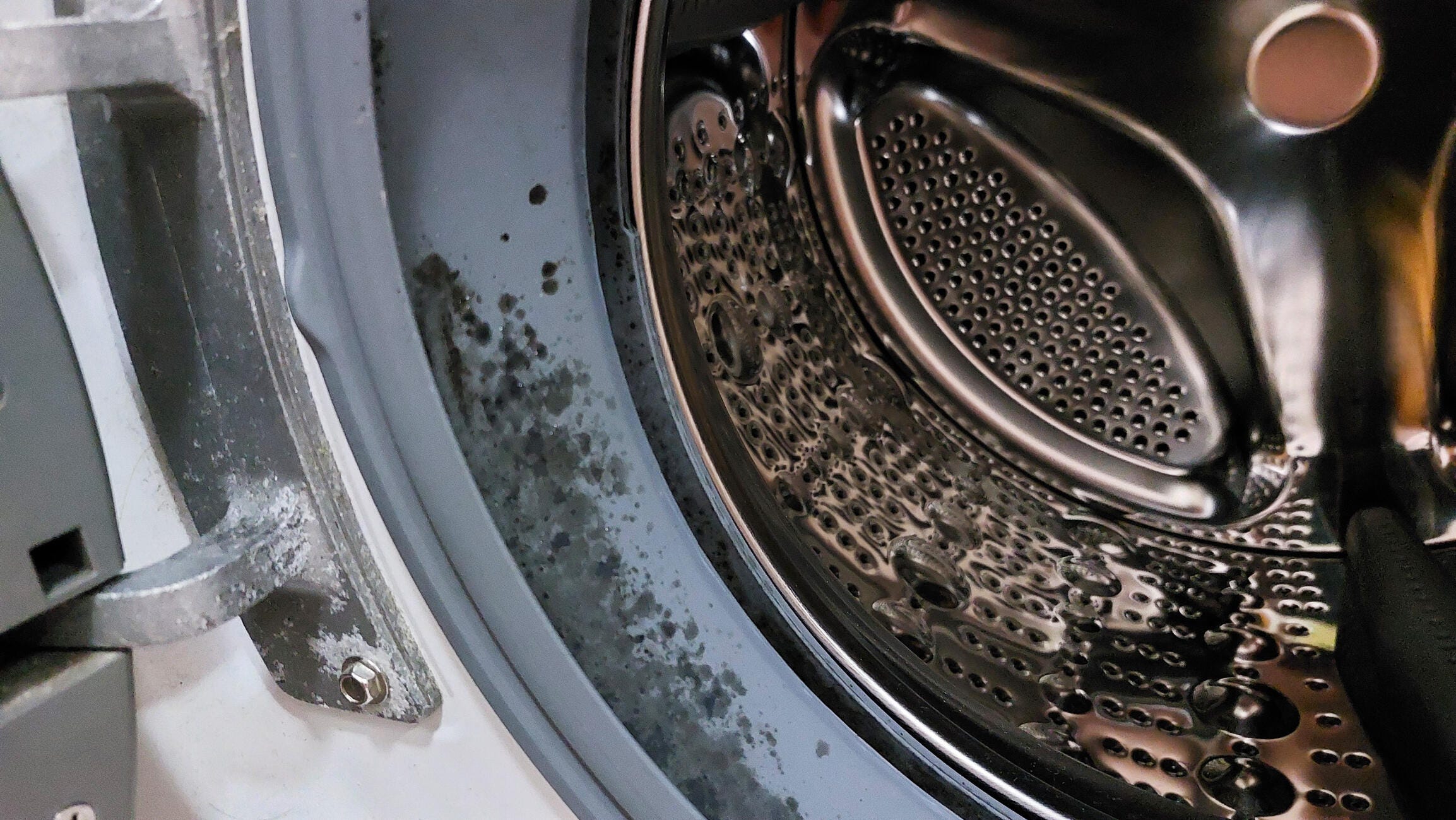
Wet Appliances
Damp areas like bathrooms and laundry rooms can harbor mold, but so can kitchen appliances such as ice machines and refrigerator water spouts. Regular cleaning and allowing these appliances to dry out between uses can prevent mold growth and associated health risks. -
Candles and Incense
Candles and incense, while used to freshen the air, can actually worsen indoor air quality by emitting particulate matter. Dolphin Hammes explains, "More often than not, candles and incense are actually a source of pollution within your home." -
Air Fresheners
Fragranced air fresheners and essential oils can also contribute to indoor air pollution. Langer warns that these products may have adverse effects on pets due to their unique biology. Alternatives like baking soda or activated charcoal-based air fresheners can be safer options.
Monitoring and Improving Indoor Air Quality
To address concerns about indoor air quality, an air quality monitor can provide real-time data. Devices like the SwitchBot's Meter Pro and Airthings View Plus track various pollutants and send alerts when dangerous levels are reached. These tools can help identify and resolve air quality issues effectively.
By being aware of these hidden pollutants and taking proactive steps to address them, homeowners can significantly improve the air quality in their homes, leading to better health outcomes for everyone living there.

Post a Comment for "Your Stove Isn't the Only Air Polluter—Here Are 6 Hidden Sources"
Post a Comment