
Zoo Faces Backlash for Asking for Pet Donations to Feed Carnivores
The Complex Ethics of Animal Donations for Zoos
Watching a nature documentary can be an emotional rollercoaster. You’re rooting for both the prey and the predator, even though you know the outcome is inevitable. This conflict is part of what makes wildlife documentaries so compelling. However, when it comes to zoos and their feeding practices, the ethical implications become more complex. A recent decision by the Aalborg Zoo in Denmark has sparked widespread debate, raising questions about animal welfare, ethics, and the role of zoos in society.
The Zoo’s Policy on Pet Donations
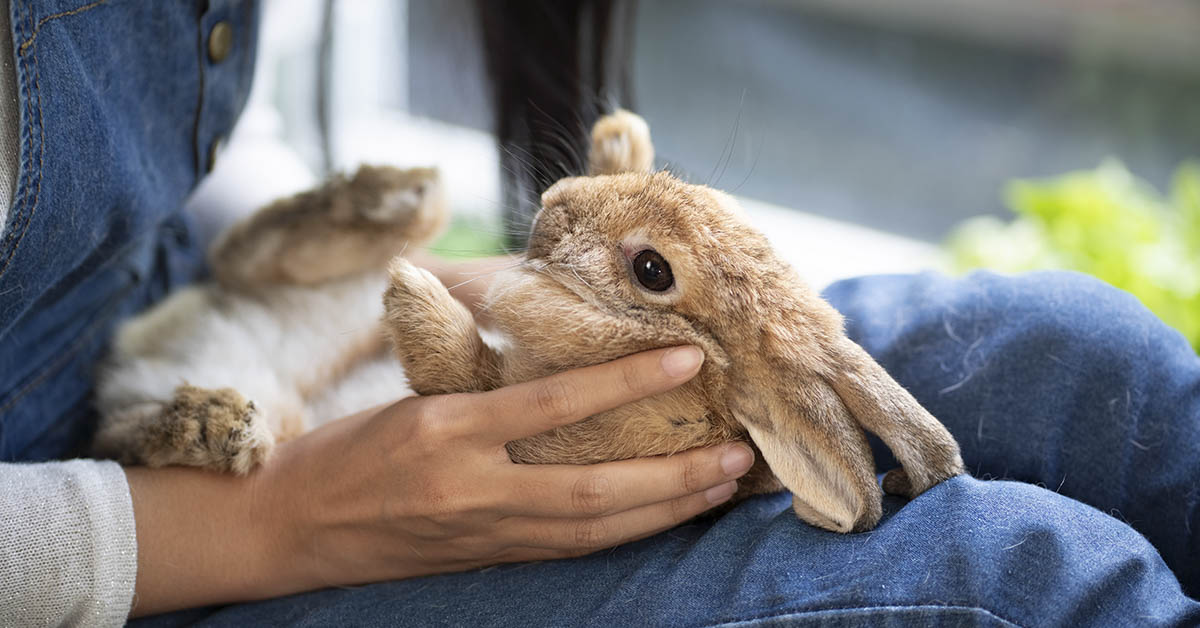
The Aalborg Zoo in Denmark recently announced that they are accepting donations of unwanted pets to feed their carnivorous animals. According to their statement, "Predators need whole prey, including fur, bones and organs, as it contributes to enrichment, nutrition and well-being." They explained that this practice helps avoid waste and allows animals to benefit both the predators and the ecosystem. The zoo specifically requests horses and smaller animals like guinea pigs, rabbits, and chickens. However, they do not accept dogs, cats, or other predators. Those who donate may also receive a tax deduction.
This policy was first posted on the zoo’s Facebook page on July 31st, but comments were soon disabled. Instead, the zoo encourages people to reach out via direct message or email. Despite this, the initial comments reflected a wide range of reactions, from outrage to support. Similar discussions have continued on the zoo’s Instagram page, where users continue to express their opinions on the matter.
Public Reaction and Ethical Concerns
The public response to the zoo's policy has been polarizing. Many critics argue that the zoo is promoting the idea that animals are disposable. They point out that some families buy pets as holiday gifts and then abandon them when the novelty wears off. The availability of pet donations might encourage this kind of carelessness. On the other hand, some supporters believe that donating unwanted pets is better than leaving them to die on the streets.
Another common criticism is that people who oppose the zoo’s policy are being hypocritical. They argue that it is inconsistent to condemn the zoo while still consuming meat and other animal products. Others have taken a broader stance, criticizing zoos in general and suggesting that animals should be relocated to natural reserves instead of being kept in captivity.
Many people feel that the zoo’s approach is not in line with its mission to protect and love animals. Instead, it appears heartless and unethical to ask for pets to be used as food. Some suggest that the zoo would be viewed differently if it had asked for sick animals that would otherwise be euthanized. However, the zoo clarified that they are looking for healthy horses, and they are unclear about the condition of the smaller animals.
Euthanasia Methods and Animal Welfare
In response to concerns about how the animals are euthanized, the zoo provided details. Andrea Majlund Grosen, the Aalborg Zoo’s Head of Content, explained that the method varies depending on the animal. For larger animals, staff use a bolt gun to ensure immediate unconsciousness, followed by bleeding or a neck pull. For smaller animals like rabbits, a powerful blow to the skull is used, which renders the animal unconscious and pain-free. She emphasized that these methods follow official guidelines to ensure respect for the animals and hygiene.
She also addressed concerns about movement after euthanasia, explaining that it is a result of nerve impulses, not conscious activity. “It may seem violent, but is physiologically natural,” she wrote. “Our goal is always to ensure euthanasia is as gently and quickly as possible, both for the animal and for those who work with it.”
Expert Opinions on Feeder Animals
According to Pia Nielsen, the deputy director of the zoo, providing whole prey to carnivores is essential for their natural diet. “When keeping carnivores, it is necessary to provide them with meat, preferably with fur, bones, etc., to give them as natural a diet as possible,” she said. In Denmark, this practice is common, and many guests appreciate the opportunity to contribute.
However, the Association of Zoos and Aquariums (AZA) does not endorse using domesticated pets from the public as feeder animals. Their 2017 guidelines state that feeder animals must be acquired ethically through commercial vendors or regulated sources. The AZA emphasizes that these animals should be handled by experts with proper facilities.
Conclusion
The Aalborg Zoo’s policy raises important questions about the ethics of using pets as food for captive animals. While some see it as a practical solution to reduce waste, others view it as a troubling step that could normalize the treatment of animals as disposable. As the debate continues, it highlights the complex relationship between humans, animals, and the environments we create for them.

Post a Comment for "Zoo Faces Backlash for Asking for Pet Donations to Feed Carnivores"
Post a Comment