
10 Foods That Nourish Unhealthy Gut Bacteria
The Hidden Dangers of Common Foods on Gut Health

Sugary snacks are a common part of many people's diets, from colorful candies to frosted pastries and sweetened drinks. While these treats may seem harmless at first glance, they can actually create an environment in the gut that promotes the growth of harmful bacteria.
Experts have long warned that consuming large amounts of sugar can fuel the proliferation of unhealthy microbes in the digestive system. In 2024, researchers emphasized how high-sugar diets can throw the gut's delicate balance out of sync, leading to issues like digestive discomfort and inflammation. The World Health Organization recommends keeping added sugars below 10% of daily calories, but many people exceed this limit without realizing it. Over time, this sugar overload can increase the risk of gut-related problems and weight gain.
If you find yourself craving something sweet every afternoon, it could be your gut bacteria influencing those cravings. Understanding the impact of sugar on your microbiome is essential for maintaining a healthy digestive system.
Processed Meats and Their Impact on Gut Health

Processed meats such as sausages, hot dogs, bacon, and deli slices are popular among many, but they come with hidden risks for gut health. These foods often contain preservatives like nitrates and nitrites, which not only keep the meat looking fresh but also disrupt the balance of bacteria in the gut.
Recent reports from 2025 revealed that individuals who regularly consume processed meats face a 30% higher risk of developing gut-related illnesses compared to those who eat them less frequently. The high levels of fat and sodium in these meats can further irritate the digestive tract, increasing the likelihood of chronic issues. Researchers have linked regular consumption of processed meats to higher rates of colorectal cancer and other digestive disorders. Making simple swaps, such as choosing leaner, less processed proteins, can significantly improve gut health.
Refined Grains and Their Effect on Gut Microbiota
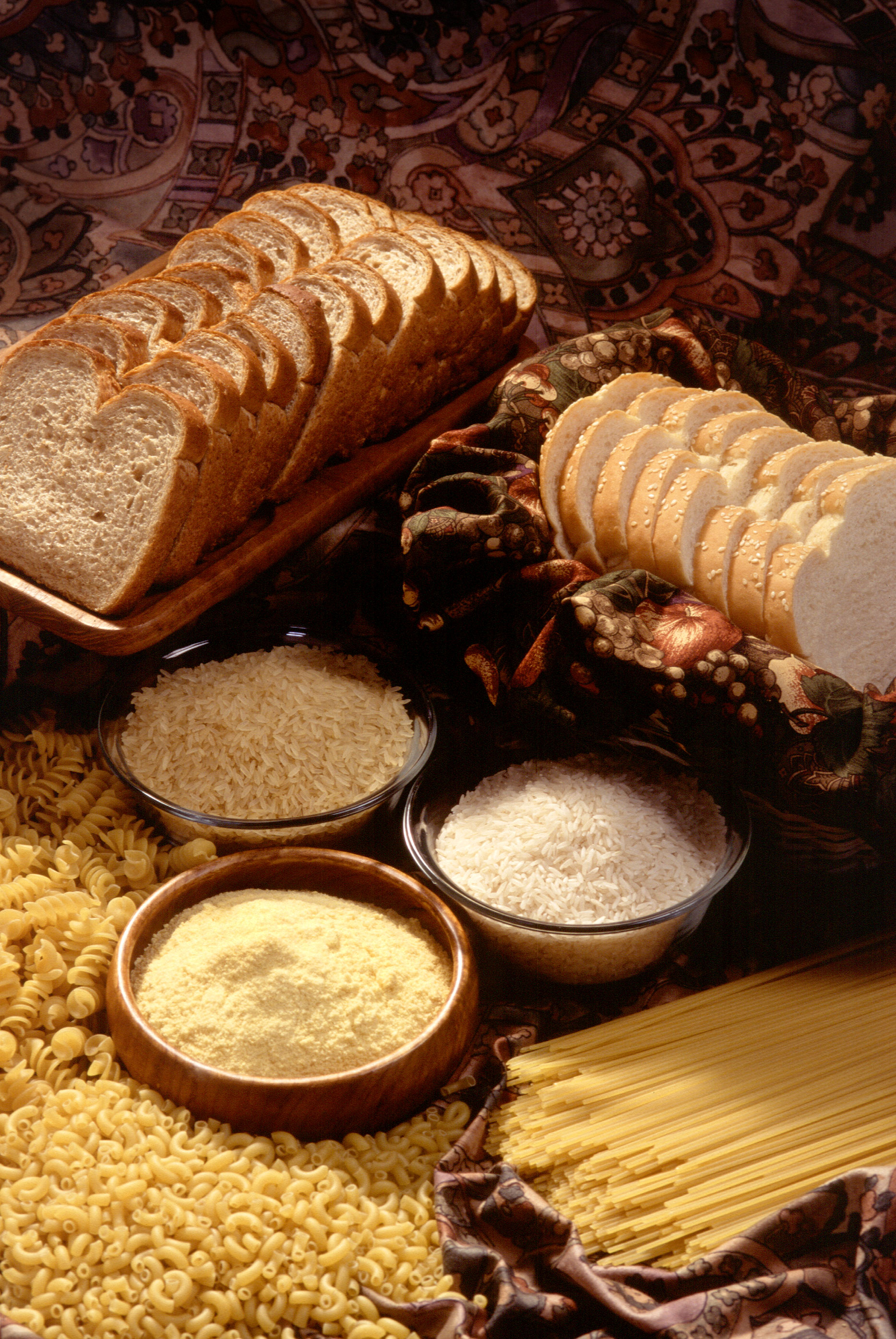
White bread, pasta, and many breakfast cereals are made from refined grains, which have had most of their fiber and nutrients removed during processing. This lack of fiber means there’s little left to nourish the beneficial bacteria in the gut.
A major study from 2024 found that people who consume mostly refined grains tend to have less diverse gut microbiomes, which can lead to sluggish digestion and reduced efficiency. Without enough fiber, harmful bacteria can dominate, pushing out the good strains your body needs. On the other hand, whole grains offer more nutrients and help maintain a balanced gut ecosystem. Simple changes like opting for brown rice or whole-wheat bread instead of white can support a healthier gut environment.
Artificial Sweeteners and Gut Imbalance

Artificial sweeteners, commonly found in diet sodas, sugar-free gum, and low-calorie snacks, are often marketed as a healthier alternative to sugar. However, research from 2025 has shown that these sweeteners might be just as detrimental to gut health.
Scientists have observed that artificial sweeteners can alter the balance of gut bacteria, favoring less beneficial strains. Some individuals using these sweeteners have experienced a decline in helpful bacteria that aid digestion and metabolism. These shifts can lead to metabolic issues and even increase cravings for sugary foods, creating a frustrating cycle. While "diet" options may seem appealing, they can have unintended consequences for your gut microbiome.
Fried Foods and Digestive Discomfort

Fried foods like chicken, fries, and onion rings are hard to resist, but they can have a significant negative impact on gut health. When food is fried, it absorbs unhealthy fats and forms compounds that can cause inflammation in the digestive system.
A 2024 analysis found that frequent consumption of fried foods is closely associated with gut dysbiosis, a condition where the balance of good and bad gut bacteria is disrupted. This imbalance can lead to bloating, sluggishness, and even more serious health problems. The high calorie content of fried foods also contributes to obesity, which can worsen gut health. Reducing fried foods can help restore balance to the digestive system and improve overall well-being.
Dairy Products and Lactose Intolerance
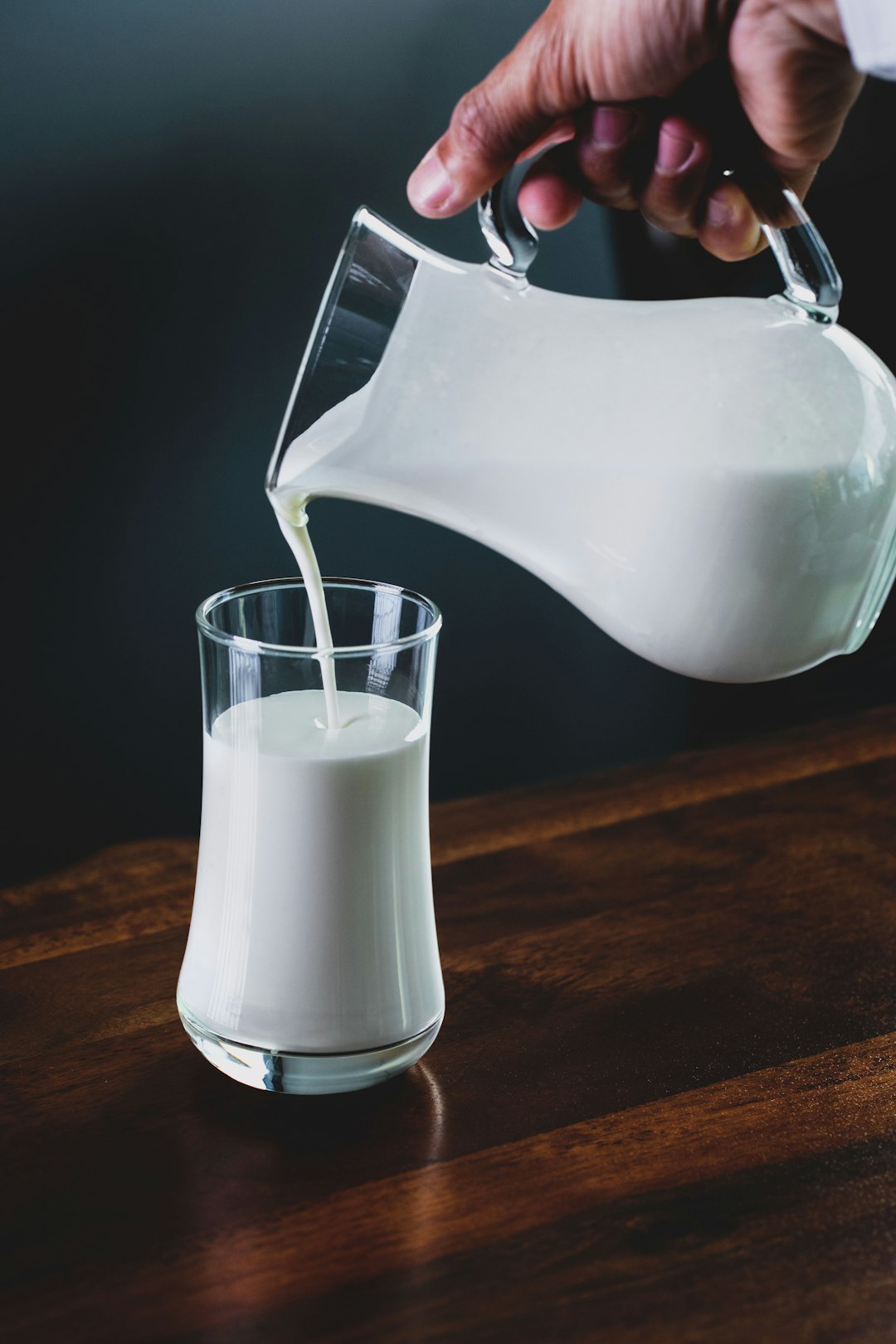
Dairy products, including milk, cheese, and ice cream, can be problematic for gut health, especially for those with lactose intolerance. A 2025 survey found that nearly 65% of adults report some level of lactose intolerance, meaning their bodies struggle to digest the sugar in dairy.
This can result in uncomfortable symptoms like gas, bloating, and diarrhea, while also encouraging the growth of unwanted bacteria. Even for those who tolerate dairy, the high fat content in certain cheeses and creams can contribute to gut inflammation. Switching to lactose-free dairy or plant-based alternatives can help avoid gut distress and maintain a smooth digestive system.
High-Sodium Foods and Gut Permeability
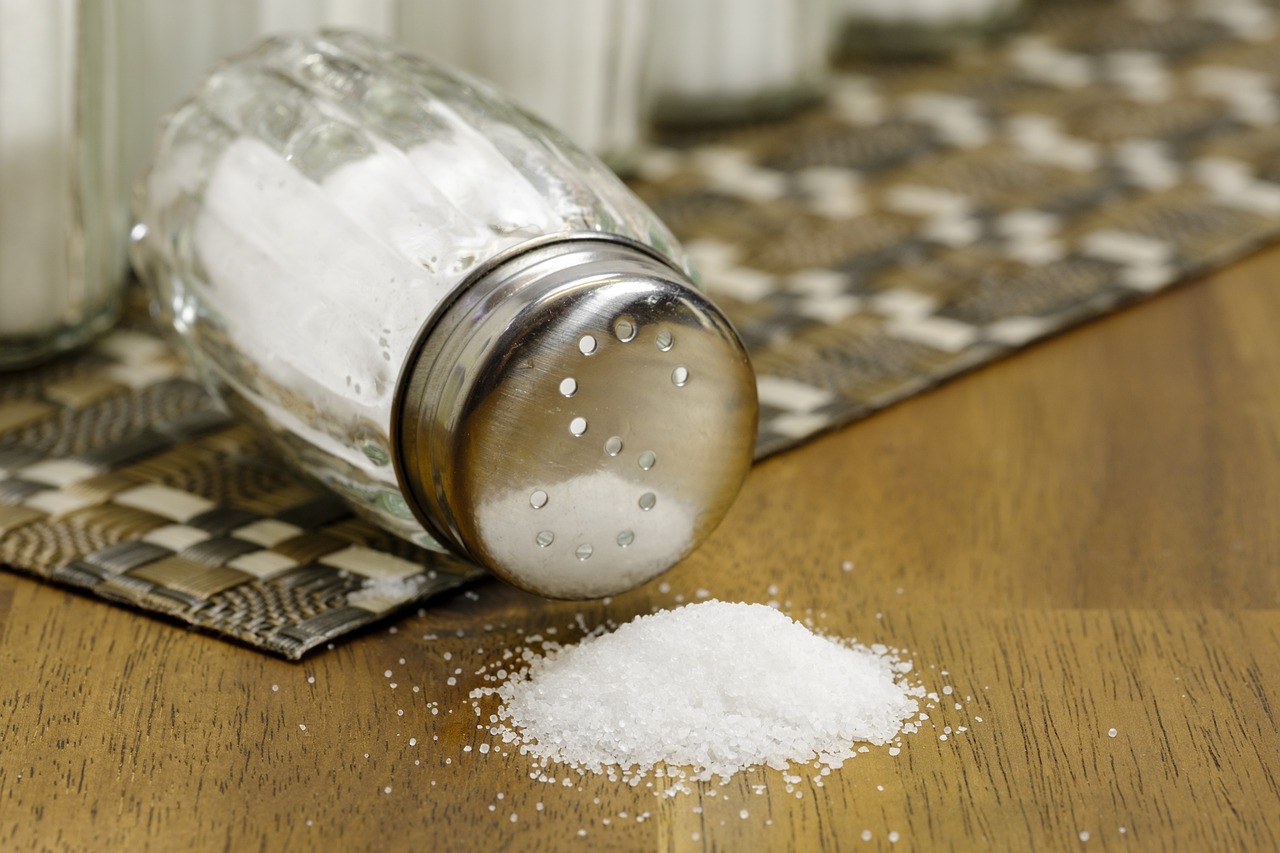
High-sodium foods like canned soups, processed meats, pickles, and salty snacks can negatively affect the gut microbiome. Excessive salt intake has been linked to increased gut permeability, often called "leaky gut," which allows unwanted substances to enter the bloodstream.
In 2024, researchers found that people with high-sodium diets showed noticeable changes in their gut bacteria, favoring strains associated with inflammation and disease. These changes can accumulate over time, leading to long-term gut health issues. Reducing sodium in your diet can help restore the balance of good bacteria and lower the risk of chronic inflammation.
Alcohol and Gut Damage

Alcohol is a common part of social gatherings, but its effects on gut health are far from positive. Regular drinking, especially in large quantities, can damage the gut lining and disrupt the balance of the microbiome.
A 2025 report highlighted that heavy drinkers are more likely to experience gut issues like leaky gut syndrome, where bacteria and toxins pass more easily into the body. Alcohol also interferes with nutrient absorption, depriving gut bacteria of the food they need to thrive. Even moderate drinking can shift the balance toward harmful bacteria, making it important to monitor alcohol intake for a healthy gut.
Trans Fats and Gut Inflammation
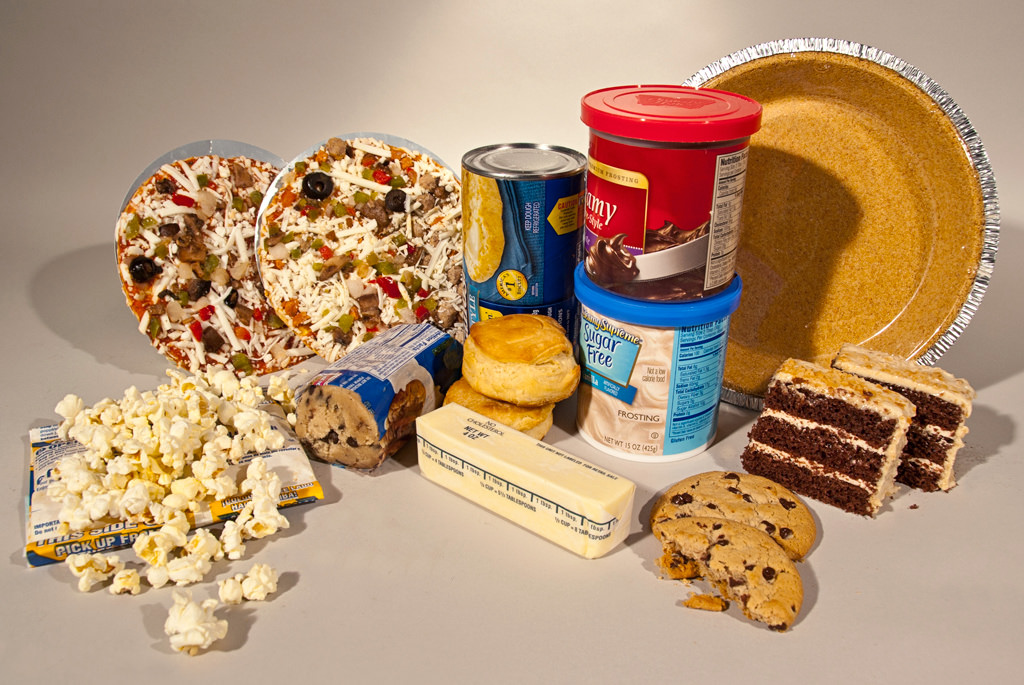
Trans fats are commonly found in processed snacks, margarine, frozen pizzas, and baked goods. While they are known for their role in heart disease, they are also harmful to the gut.
Diets rich in trans fats have been shown in 2024 to promote the growth of harmful bacteria while reducing beneficial strains. This shift can cause inflammation throughout the digestive tract, leading to discomfort and a higher risk of chronic diseases. Trans fats also contribute to obesity and metabolic syndrome, both of which are linked to poor gut health. Avoiding foods with trans fats is a smart choice for nurturing a healthy gut microbiome.
High-Fructose Corn Syrup and Gut Diversity
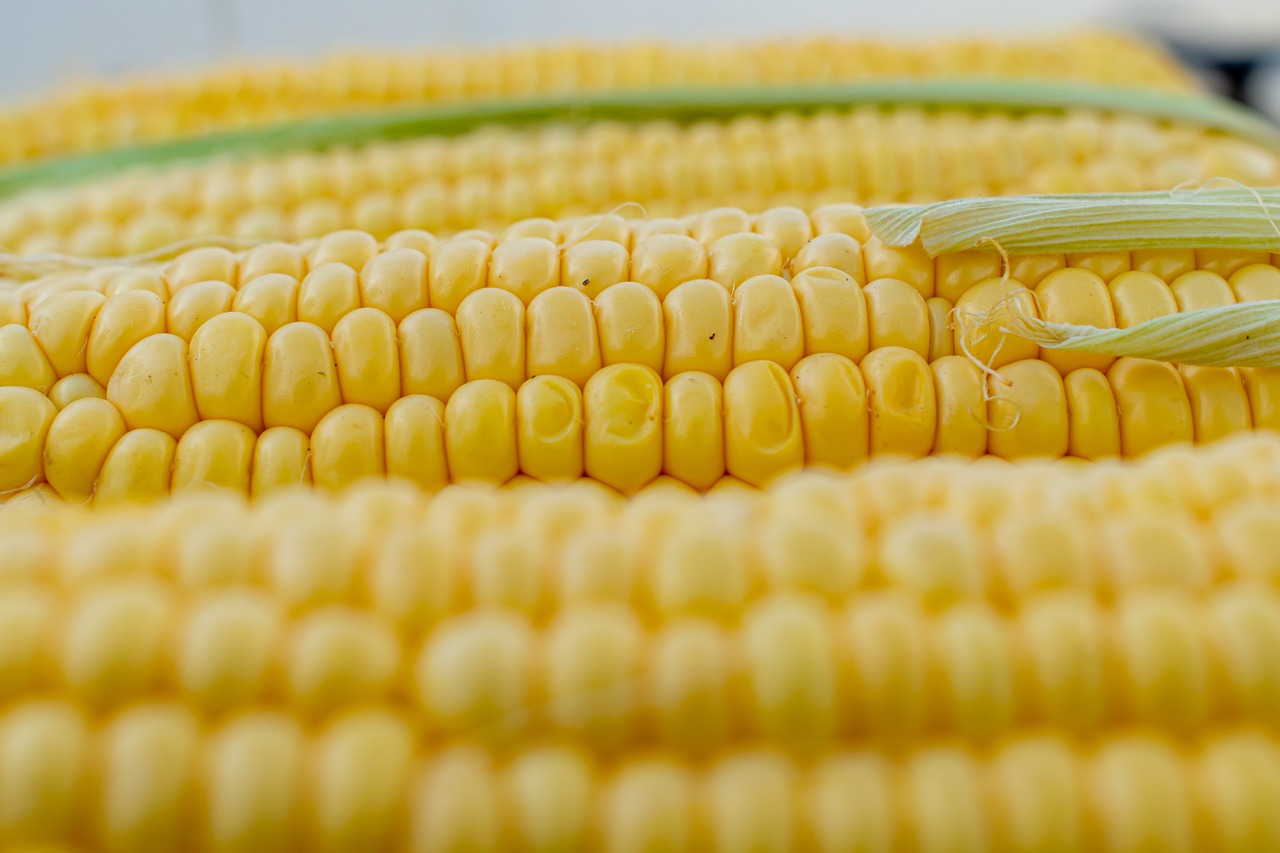
High-fructose corn syrup (HFCS) is present in many processed foods and sweet drinks, from sodas to salad dressings. Its role in feeding harmful gut bacteria is increasingly being studied.
A 2025 study found that people with high HFCS intake had less diversity in their gut bacteria, which is a warning sign for overall digestive wellness. This lack of diversity can allow harmful strains to multiply, causing inflammation and digestive discomfort. Choosing natural sweeteners or sticking to whole foods can help maintain a diverse and resilient gut microbiome.

Post a Comment for "10 Foods That Nourish Unhealthy Gut Bacteria"
Post a Comment