
8 Harmful Garden Snails to Avoid in Your Yard
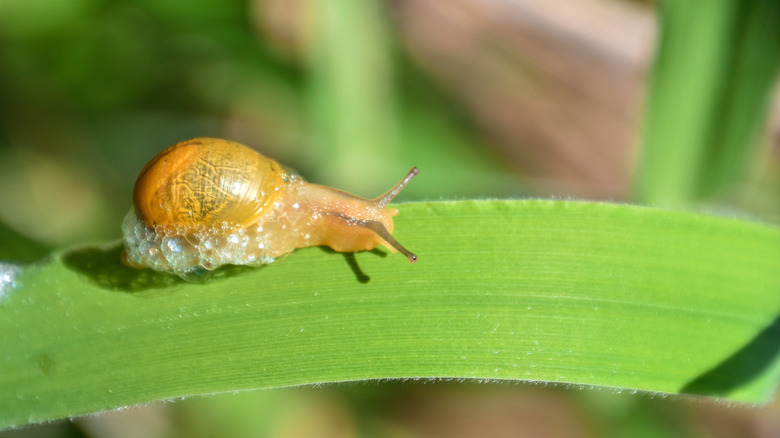
Snails may seem harmless, but their slow pace doesn't reflect the damage they can cause to gardens and crops. These creatures are often voracious generalist herbivores that feed on a wide range of plant parts, including flowers, fruits, leaves, and other succulent sections. However, the harm they inflict goes beyond just eating plants. As they move across garden surfaces, snails leave behind a trail of mucus that can further damage the plants and reduce the quality of the produce.
What's more concerning is that some species of snails carry pathogens and parasites that can affect both plants and humans. For example, the giant African snail is known to carry rat lungworm, which can lead to serious health issues in people. This makes it essential to avoid touching these invasive species, especially if you're working in or around your garden.
Invasive snail species are particularly problematic because they lack natural predators, allowing them to reproduce unchecked. This unchecked growth can lead to significant ecological and agricultural damage. Some examples of invasive snails include the white garden snail, milk snail, giant African snail, and golden apple snail. While their names may sound innocent, their impact on local ecosystems is anything but.
To protect your garden from these pests, it's important to be aware of the different types of snails and how to identify them. Here are some key invasive snail species:
Giant African Snail
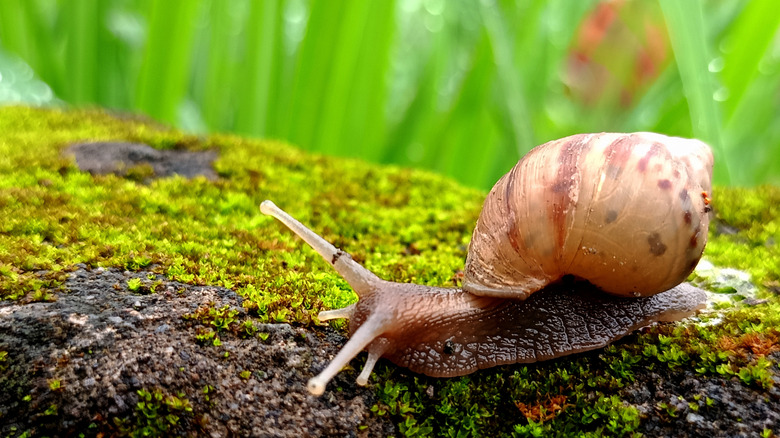
The giant African snail (Lissachatina fulica) is one of the most destructive invasive species. It has a diet that includes over 500 plant species and is known for carrying harmful pathogens. These snails can travel long distances by clinging to vehicles and are mostly active at night, making them difficult to spot. They can grow up to five inches in diameter and eight inches in length, with light brown shells that often have dark stripes. In gardens, they commonly attack bananas, papayas, cucumbers, and carrots.
Channeled Apple Snail
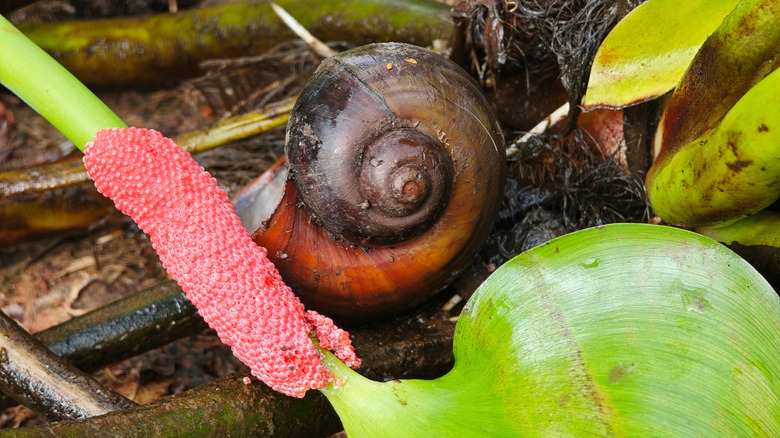
Also known as the golden apple snail (Pomacea canaliculata), this amphibious gastropod can live in both water and on land. Despite its name, it does not refer to the type of plants it attacks, but rather its large size, which can be as big as an apple or a tennis ball. The shell of this snail has five to six whorls separated by deep grooves, giving it the "channeled" appearance. These snails are invasive and carry parasites, making them a threat to garden plants.
White Garden Snail
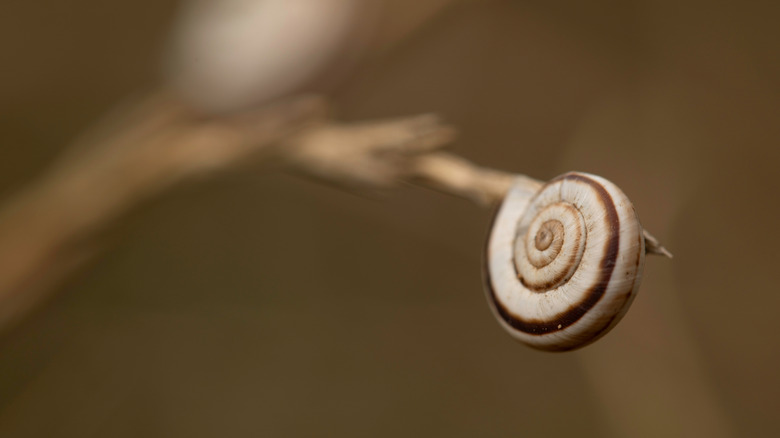
The white garden snail (Theba pisana) is an invasive pest that poses a serious threat to ornamental plants. It closely resembles the milk snail in appearance but has a flatter, smaller, and lighter-colored shell with a dark center. What makes it particularly dangerous is its high reproductive rate. If conditions are favorable, these snails can gather in large numbers on trees, leading to severe defoliation and even tree death. To prevent infestations, consider using copper mesh barriers around your garden.
Rosy Wolfsnail
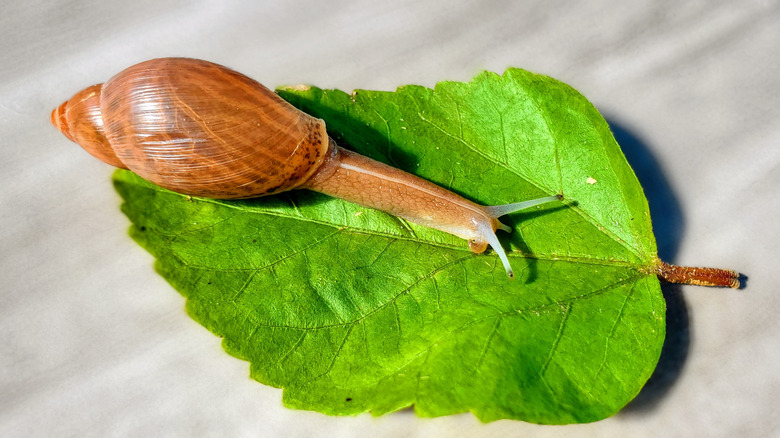
The rosy wolfsnail (Euglandina rosea) is considered one of the most invasive species globally. While it preys on other snails and slugs, this can backfire by threatening native molluscs. You can identify them by their brownish-pink shells with prominent growth lines. Adults can reach up to four inches in size and are often found in urban gardens, roadsides, and hardwood forests.
Milk Snail
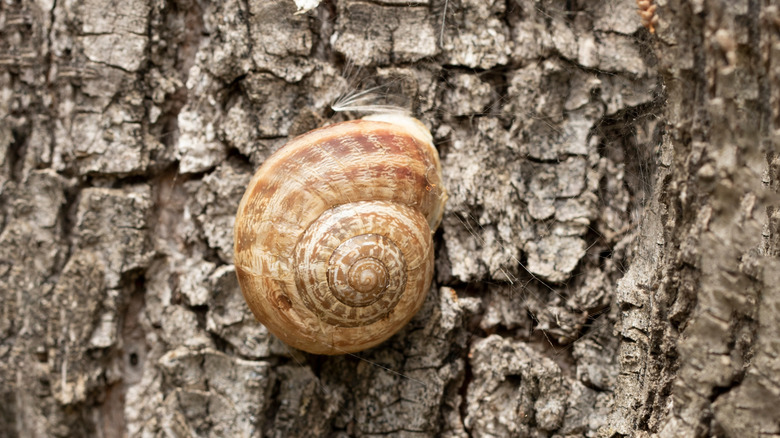
The milk snail (Otala lactea) is another large invasive species that feeds on fruits and plants. These snails are typically active at night and can be identified by their milky brown shells with patterns of stripes and dots, along with dark brown spiraling lines. They are commonly found in rocky or bushy areas. Interestingly, these snails are edible and even popular in some European dishes, which has led to management strategies that encourage their consumption instead of targeting native species.
Brown Garden Snail
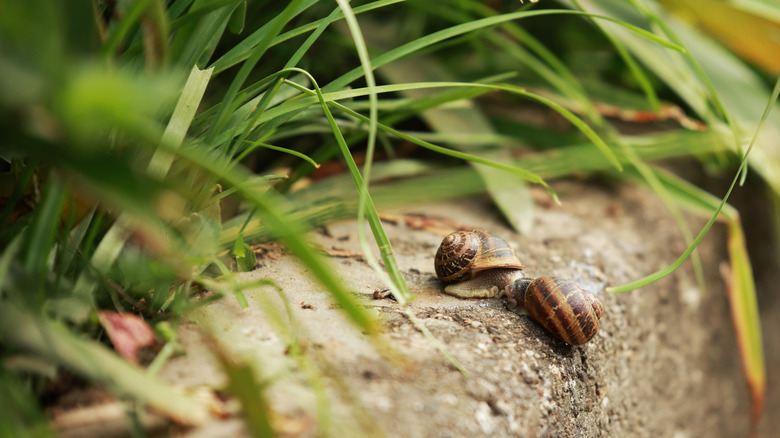
The brown garden snail (Cornu aspersum) is an invasive species that loves to munch on citrus trees and can gather in large numbers on plants. They also cause damage to grain crops, garden flowers, and vegetable crops. These snails are relatively small, measuring about one inch in size, and have distinctive gray and brown patterns on their shells. They are most active at night but may come out during the day after rain.
Decollate Snail
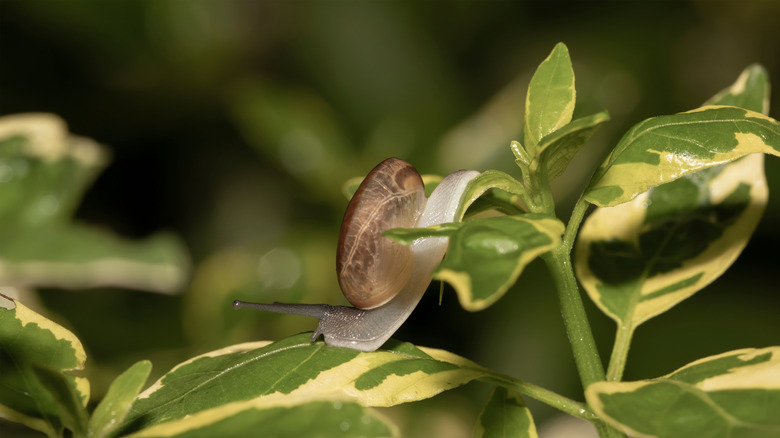
The decollate snail (Rumina decollata) is a small, invasive species that is about an inch long. Its shell is usually tan to light brown in color and often has a broken-looking tip. These snails mostly live in leaf litter and don't climb plants, but they may do so after rain. Their damage is limited to young seedlings and leaves that touch the ground. If found in the garden, they can be easily removed by hand. Setting up barriers around plants can help prevent future invasions.
Asian Trampsnail
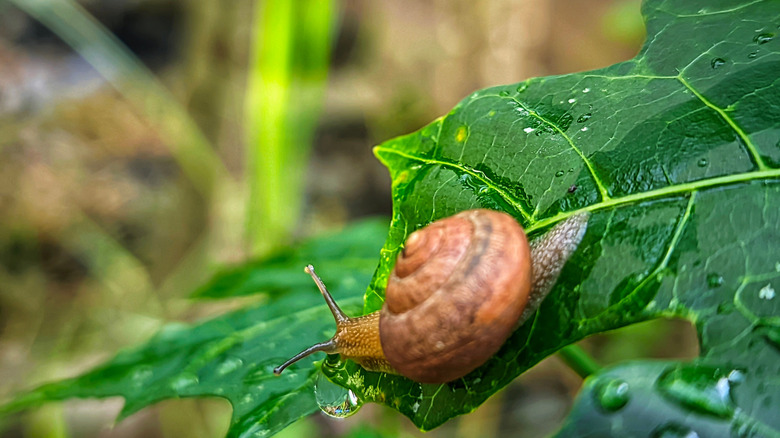
The Asian trampsnail (Bradybaena similaris) is an invasive pest that affects citrus and many other important crops. It also impacts ornamentals and vegetables. Additionally, it can affect humans by carrying rat lungworm, which can cause Neuroangiostrongyliasis, a disease affecting the brain and spinal cord. These snails are about half an inch long and have a white or brown shell, sometimes with a brown band. Beer traps can be used to control them, as the snails are attracted to the beer and drown in it.
By understanding the different types of invasive snails and their behaviors, you can take proactive steps to protect your garden and crops. Whether through physical barriers, natural predators, or targeted removal methods, managing these pests is crucial for maintaining a healthy and thriving garden.

Post a Comment for "8 Harmful Garden Snails to Avoid in Your Yard"
Post a Comment