
A New LACMA Exhibit Reveals Hidden Histories Through Art and Science
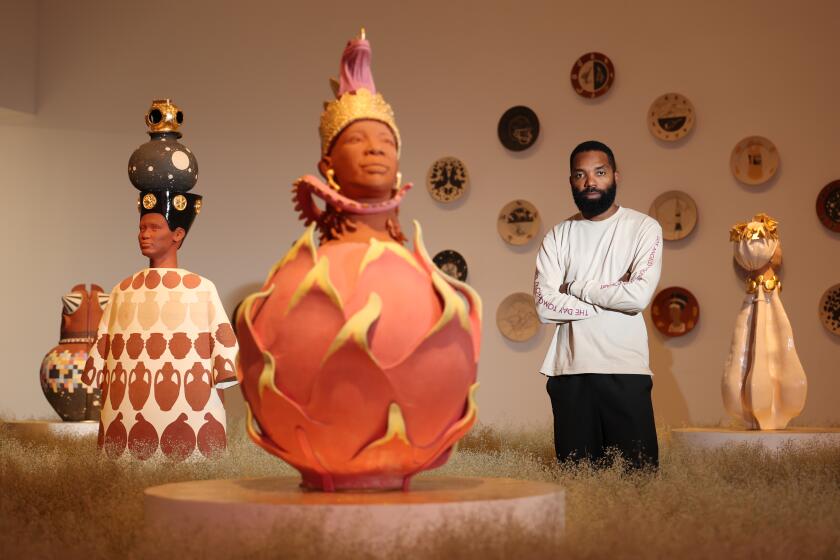
Tavares Strachan is an artist who has always been fascinated by the intersections of art, science, and history. His work often challenges traditional narratives and explores the complex relationships between past, present, and future. Born in Nassau, Bahamas, Strachan has spent his career pushing boundaries, creating installations that provoke thought and inspire change.
One of his most notable projects involved carving a massive block of ice in the Alaskan Arctic and shipping it back to the Bahamas. The piece was displayed in a solar-powered freezer, serving as a powerful commentary on climate change, displacement, and the interconnectedness of our world. This act not only highlighted environmental issues but also emphasized the global impact of local actions.
Strachan’s journey into the Arctic was more than just an artistic endeavor. It was a personal quest to understand the harsh conditions faced by Matthew Henson, a Black explorer who accompanied Robert Peary on polar expeditions in 1909. Henson's achievement was groundbreaking, yet his contributions were largely overlooked for many years due to racial biases. By visiting the North Pole, Strachan sought to honor Henson's legacy and bring attention to the systemic erasure of Black achievements in history.
Another significant project by Strachan involved paying tribute to Robert Henry Lawrence Jr., America’s first Black astronaut. Tragically, Lawrence died in a plane crash while training as a test pilot in 1968, never getting the chance to participate in a space mission. To honor his memory, Strachan sent a replica of an artwork inspired by Lawrence into orbit on a SpaceX rocket. This act symbolized a form of poetic justice, ensuring that Lawrence’s spirit and contributions would be recognized beyond Earth.
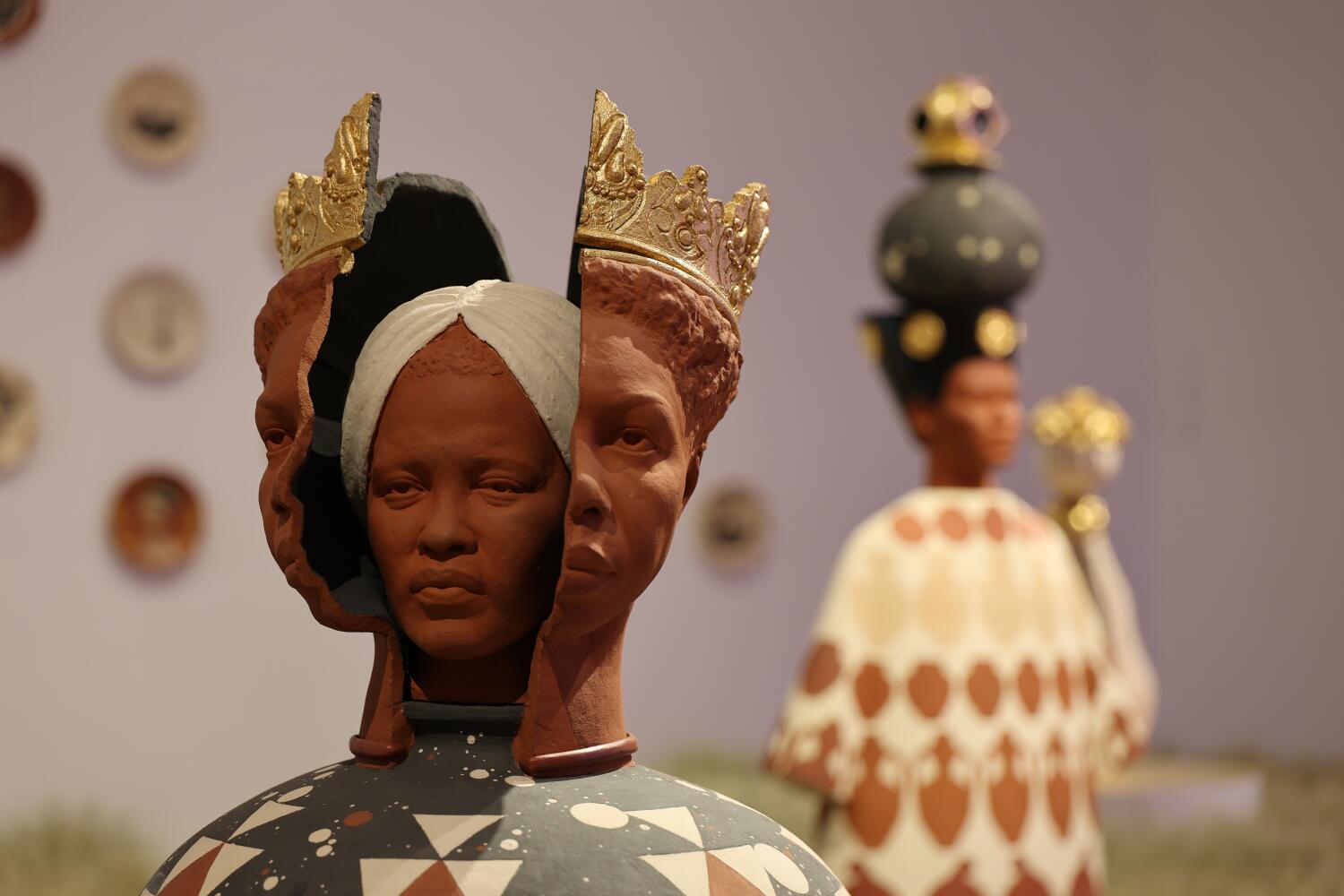
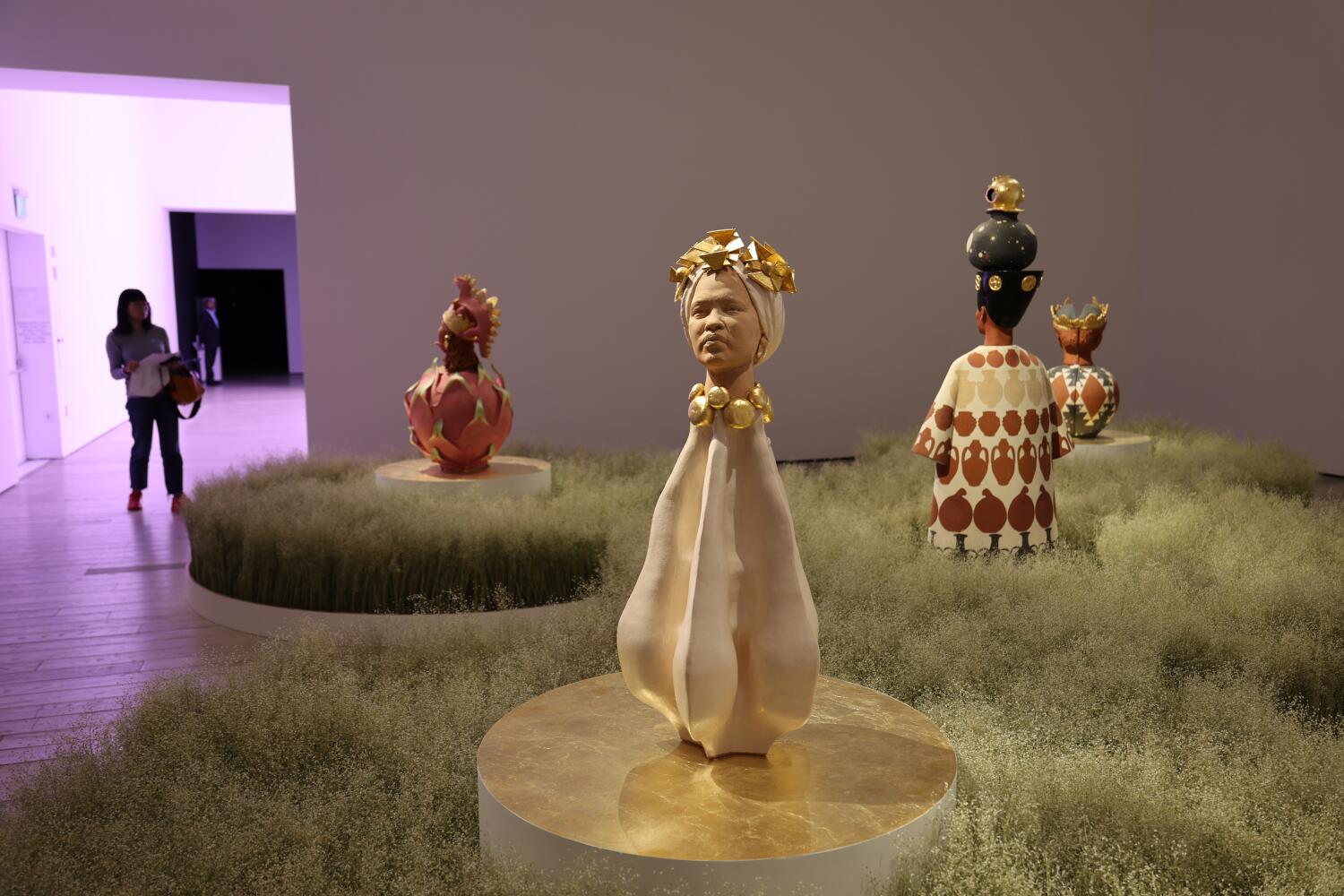
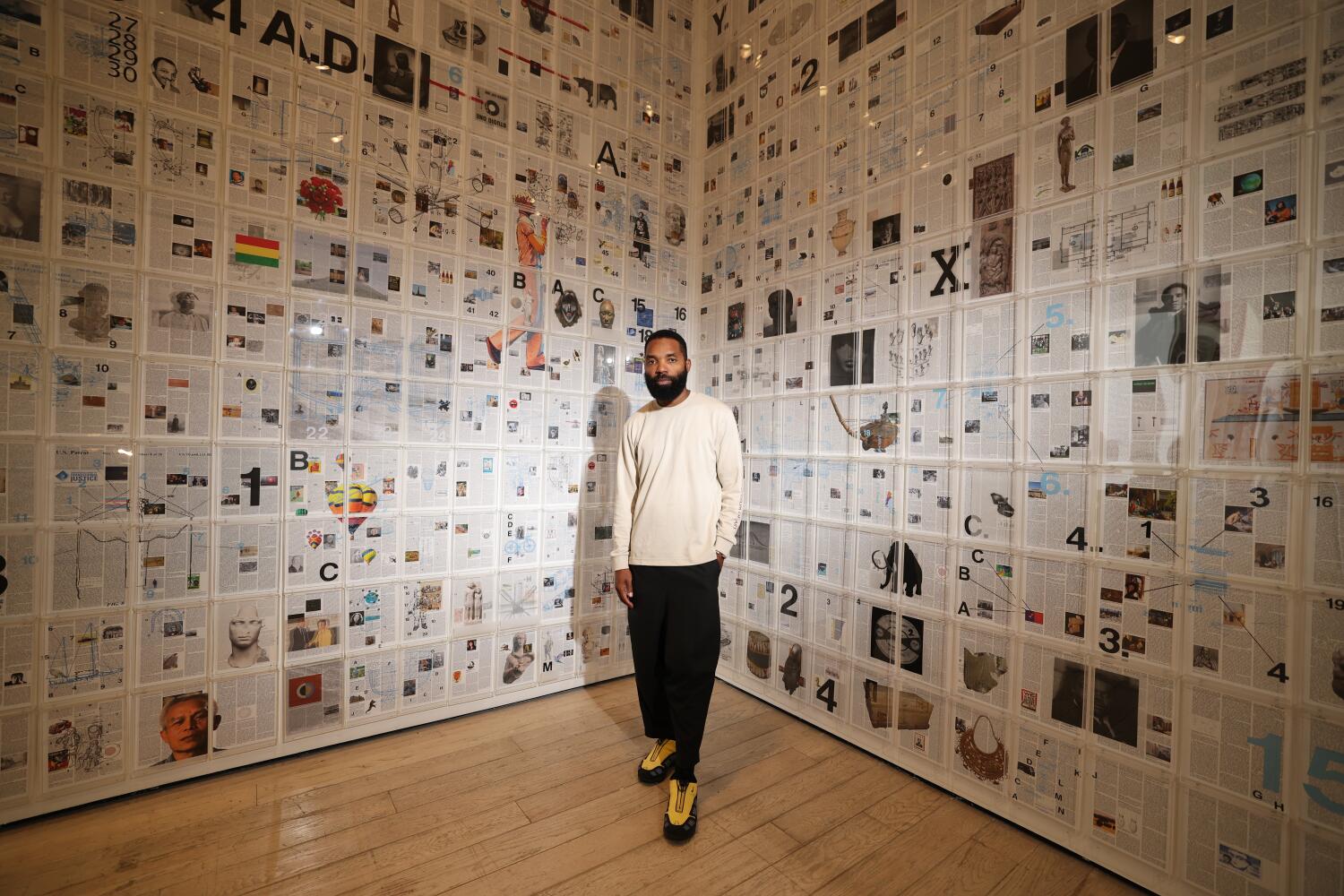
Currently, a collection of Strachan’s work is on display at the Los Angeles County Museum of Art in an exhibition titled “The Day Tomorrow Began.” This is his first museum show in the city and offers a multisensory experience that challenges viewers to reconsider their understanding of human progress. The exhibition features a variety of pieces, including illustrations, diagrams, traditional African hairstyles, mohair collages, and commemorative ceramics. Each item invites reflection on the hidden histories and overlooked contributions of Black individuals.
The exhibition also includes a field of rice grass designed to evoke olfactory memories, as well as a wall covered with neon signs displaying quotes from James Baldwin and Mark Twain. The placement of these quotes—upright for Baldwin and upside down for Twain—serves as a nod to both the wonders of chemistry and the power of language to explore identity.
In another room, dramatic bronze sculptures challenge the dominant narratives of Western civilization by shifting the focus to the oppressed. One sculpture depicts the moon with a bust of Henson on its north pole and an upside-down bust of Peary on its south pole. This juxtaposition highlights the contrast between the recognition of Henson’s contributions and the erasure of Peary’s role in history.
Strachan’s fascination with science and its hidden histories began during his childhood in Nassau. As a curious and stubborn child, he was deeply affected by the lack of representation in the encyclopedias his family purchased. This realization sparked his interest in social science and the concept of visibility and invisibility in historical narratives.
Strachan’s early experiences at sea further shaped his worldview. While working on a fishing boat, he developed a deep connection with the natural world, learning to navigate by the stars and read the currents. These experiences instilled in him a sense of wonder and a desire to explore the universe beyond his home.
As he grew older, Strachan became increasingly aware of the gaps in historical records. He discovered that figures like John Edmonstone, a formerly enslaved Black Briton who taught Charles Darwin taxidermy, were often overlooked in mainstream narratives. This realization fueled his commitment to uncovering and celebrating the contributions of marginalized individuals.
Curator Diana Nawi describes Strachan’s work as a resistance against the “calcification of history,” a process where dominant groups reinforce narratives that glorify themselves while ignoring or erasing the contributions of others. She emphasizes the importance of rethinking historical narratives to include diverse perspectives and challenge the singular concept of power.
Strachan’s work also reflects the current moment, where the retelling and retaking of history are essential. The toppling of monuments and the creation of new artworks have become powerful symbols of this movement. At the same time, there are ongoing debates about how history should be presented, with some efforts to suppress less-flattering aspects of the past.
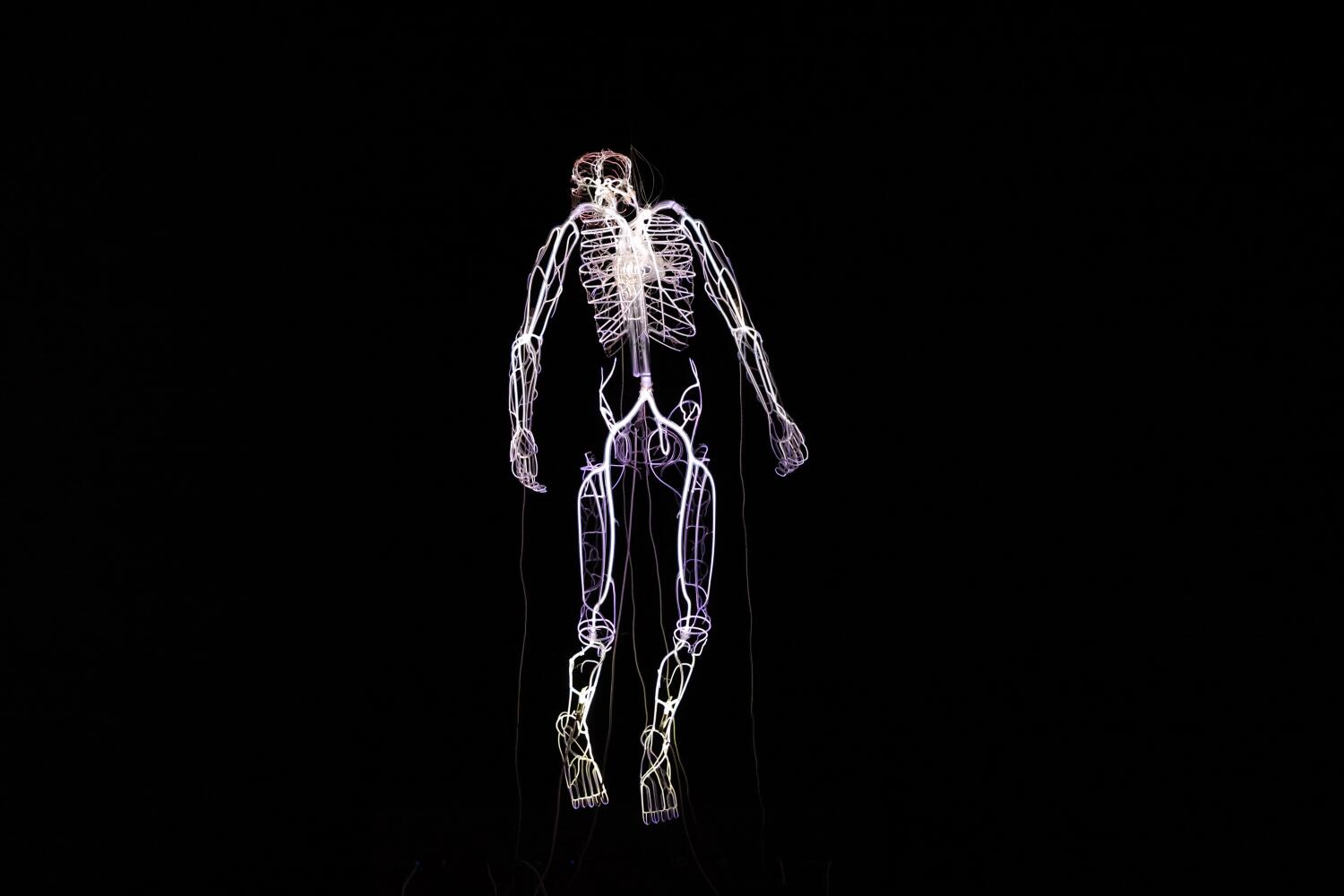
One of the most striking pieces in the exhibition is a life-size glass portrait of Robert Henry Lawrence Jr. The portrait appears to levitate, illuminated by argon trapped in electrified tubes that resemble the human circulatory system. This visual metaphor captures the essence of Lawrence’s spirit and his unfulfilled dream of exploring space.
By creating this portrait and sending a satellite honoring Lawrence into orbit, Strachan aims to ensure that his contributions are recognized and celebrated. He believes that the level of storytelling should match the significance of the act, emphasizing the importance of audacity in honoring those who have made incredible contributions.

Post a Comment for "A New LACMA Exhibit Reveals Hidden Histories Through Art and Science"
Post a Comment